
. . . with apologies to Ray Stevens 😉
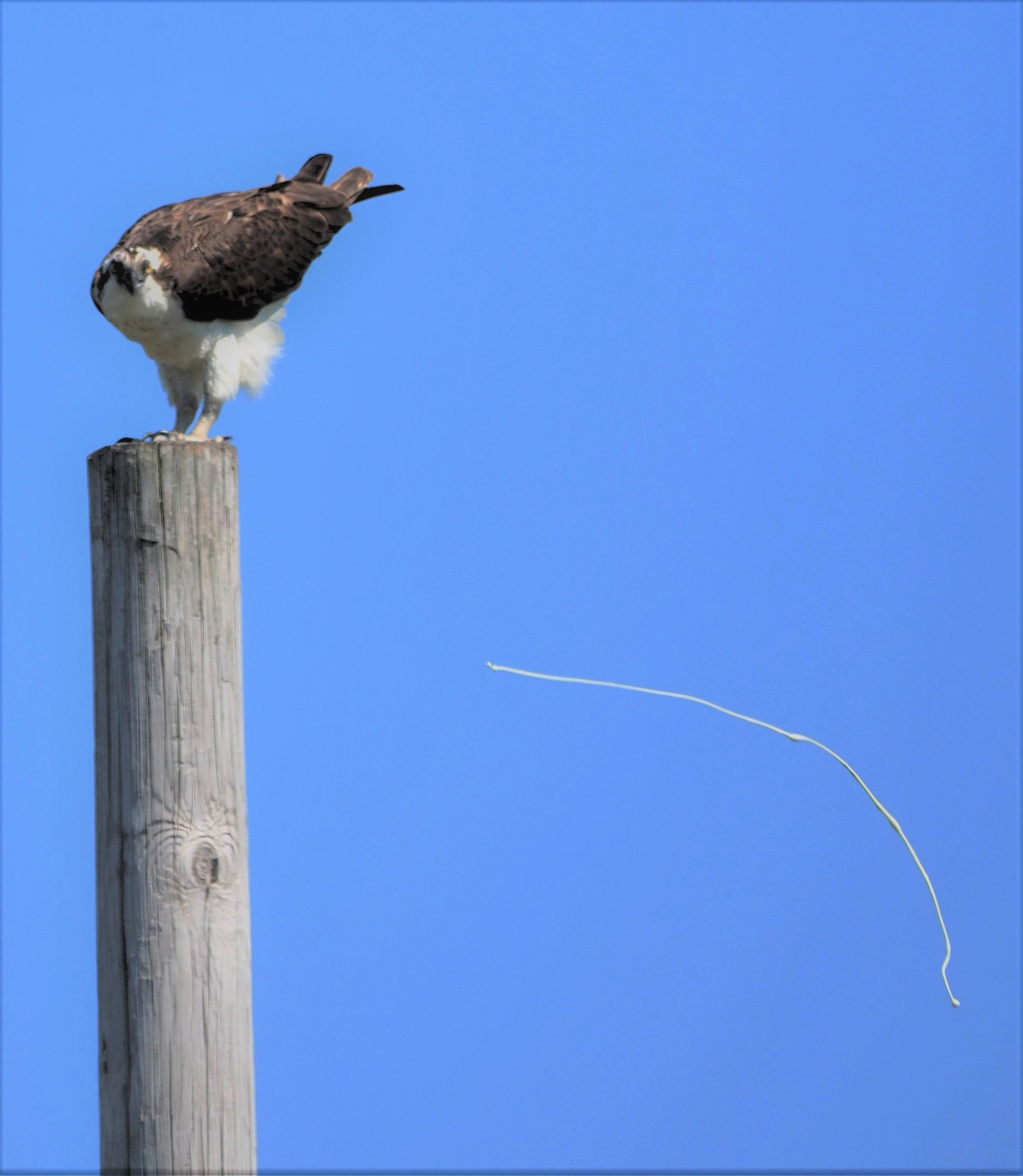
Sometimes you just need lots of fps, a bright, sunny day, and a subject with no shame.
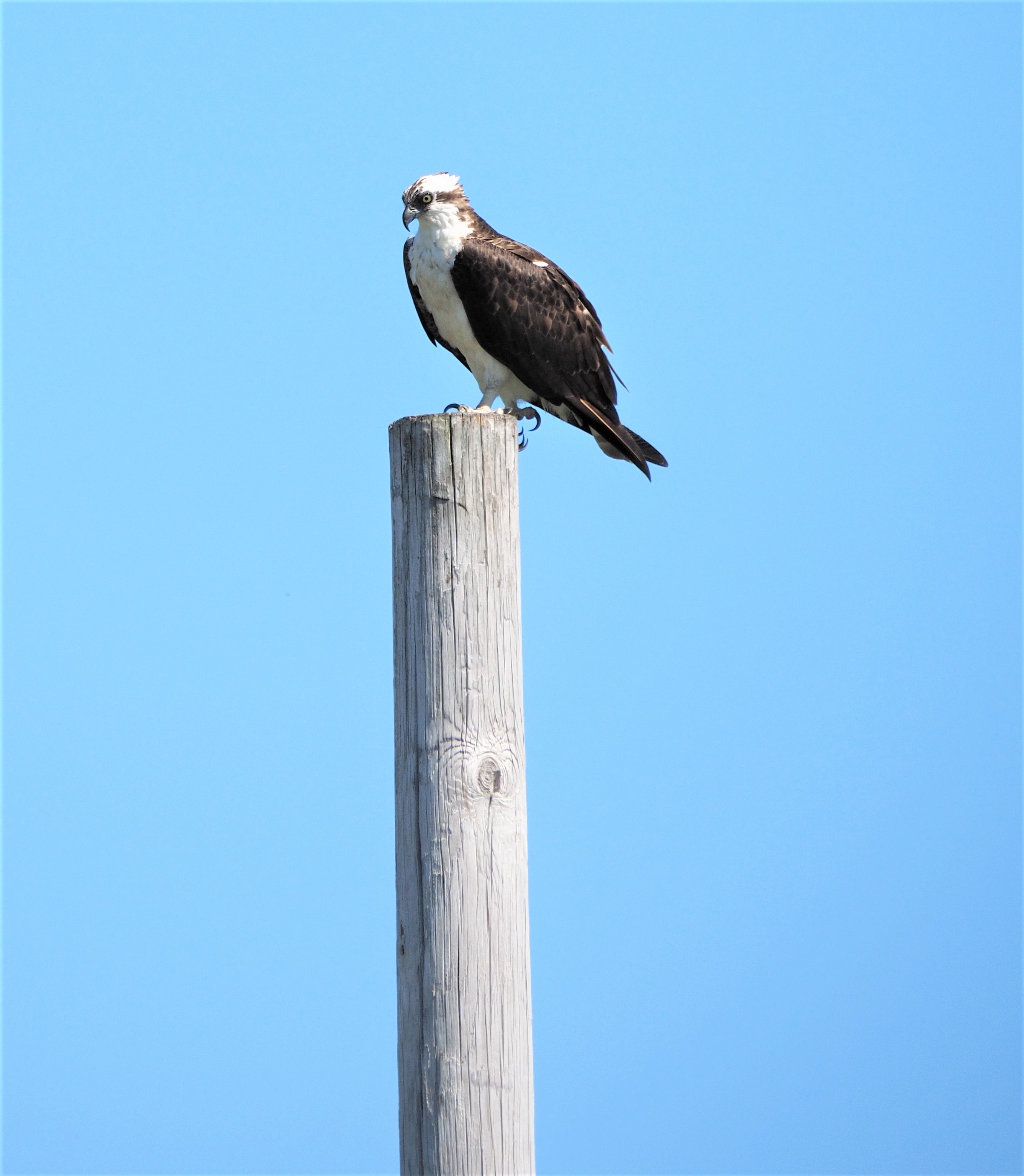
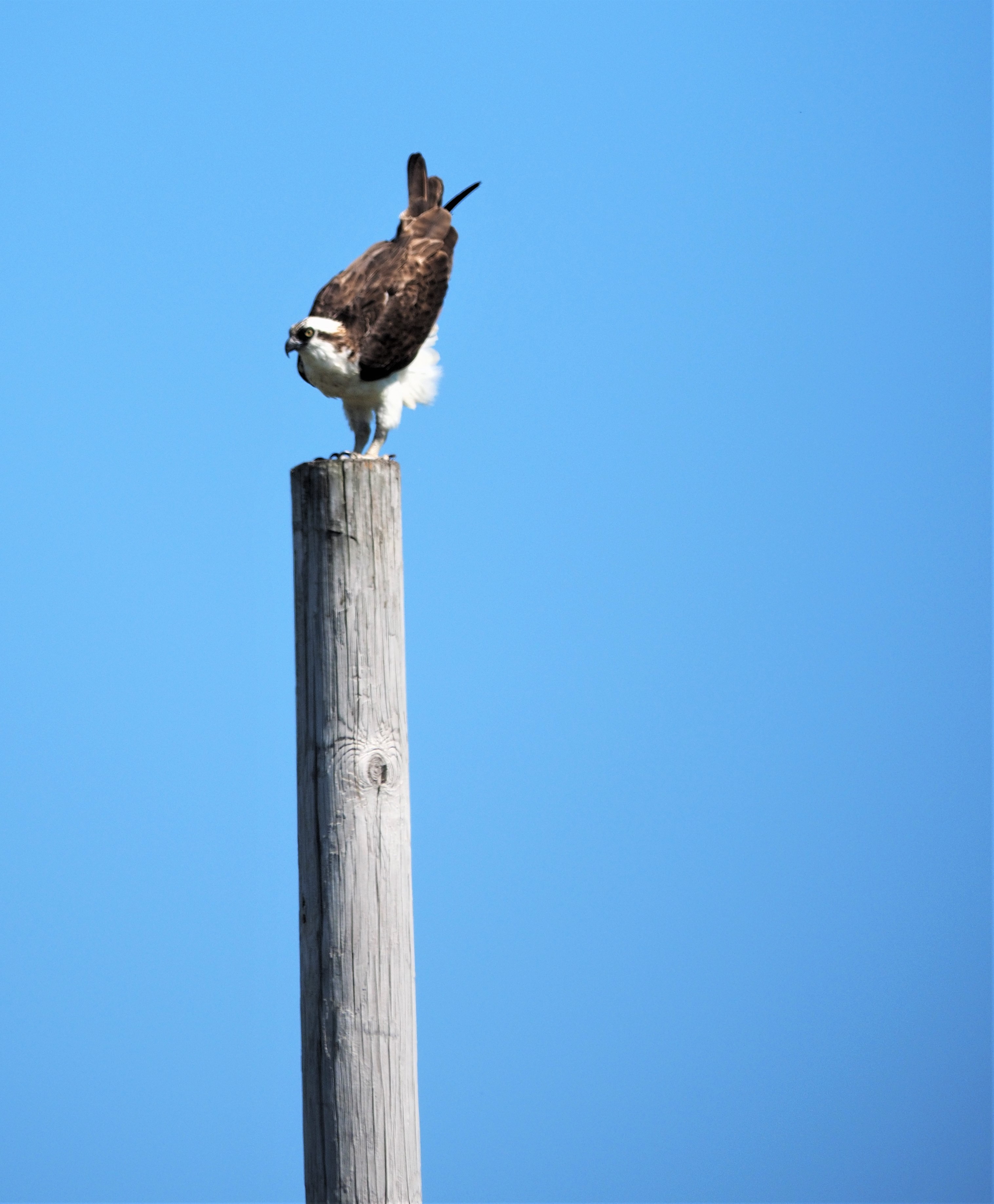
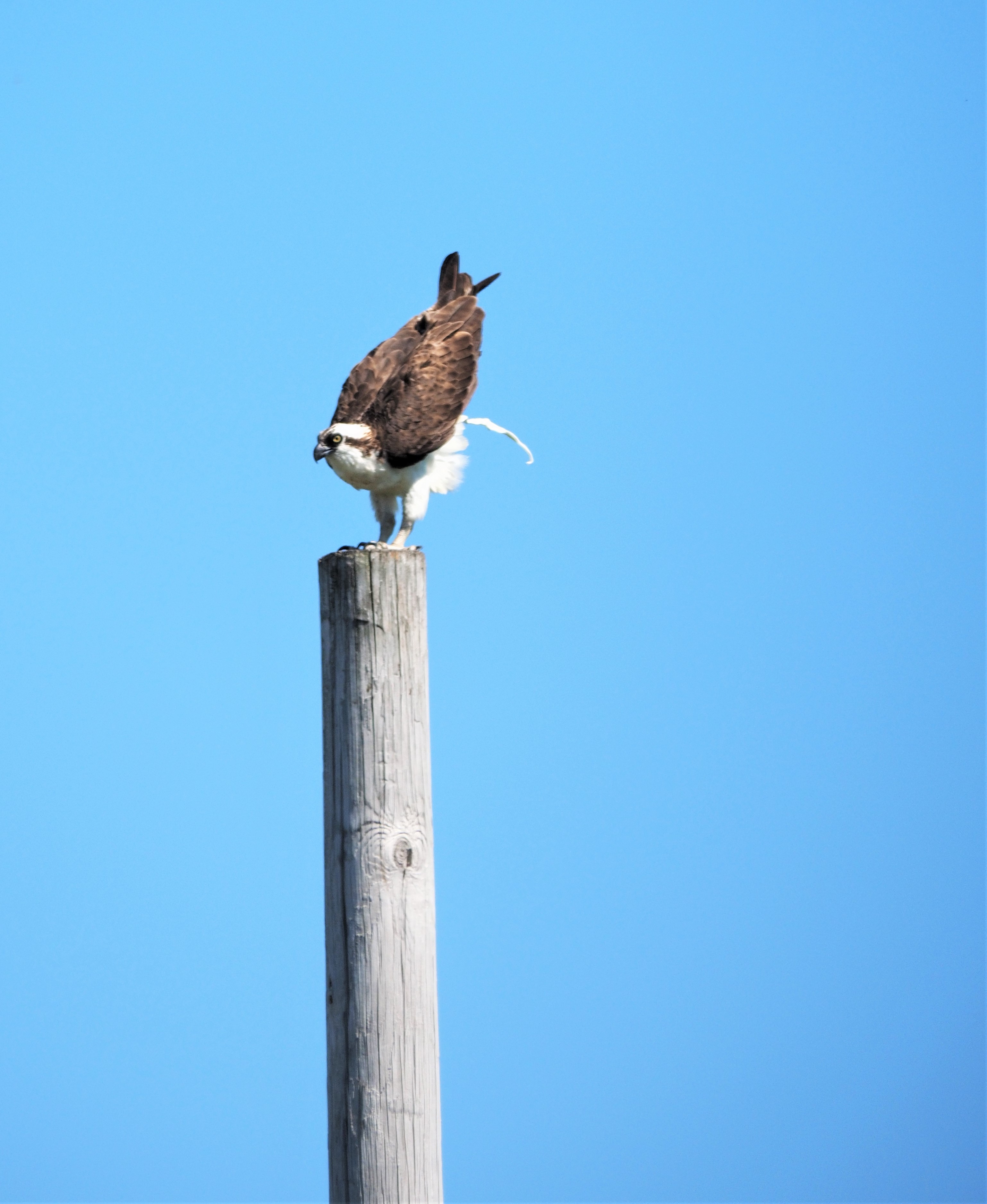
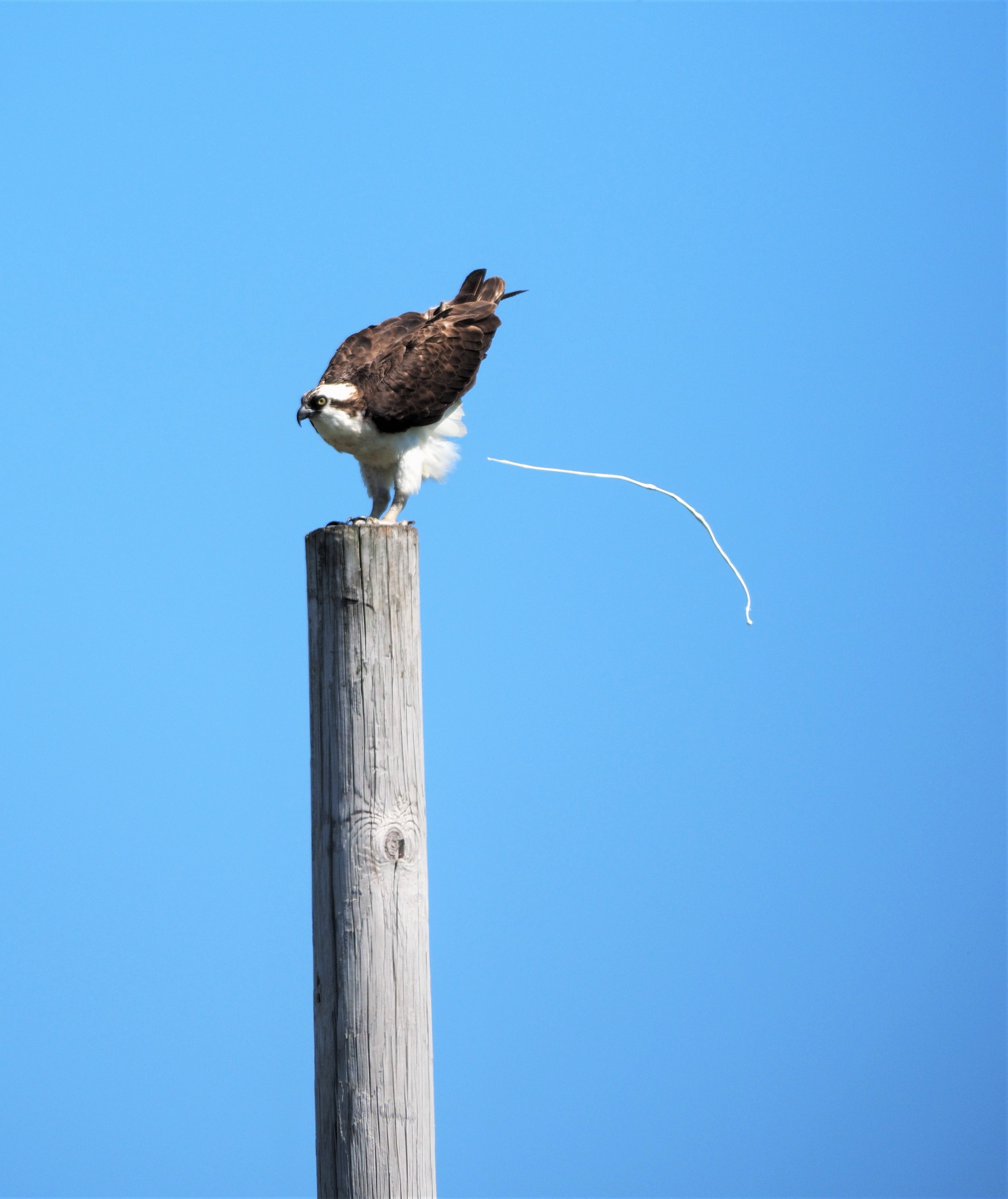
(published June 23, 2020)
I spent the day at Sterling Nature Center getting photos of some pretty creepy things.
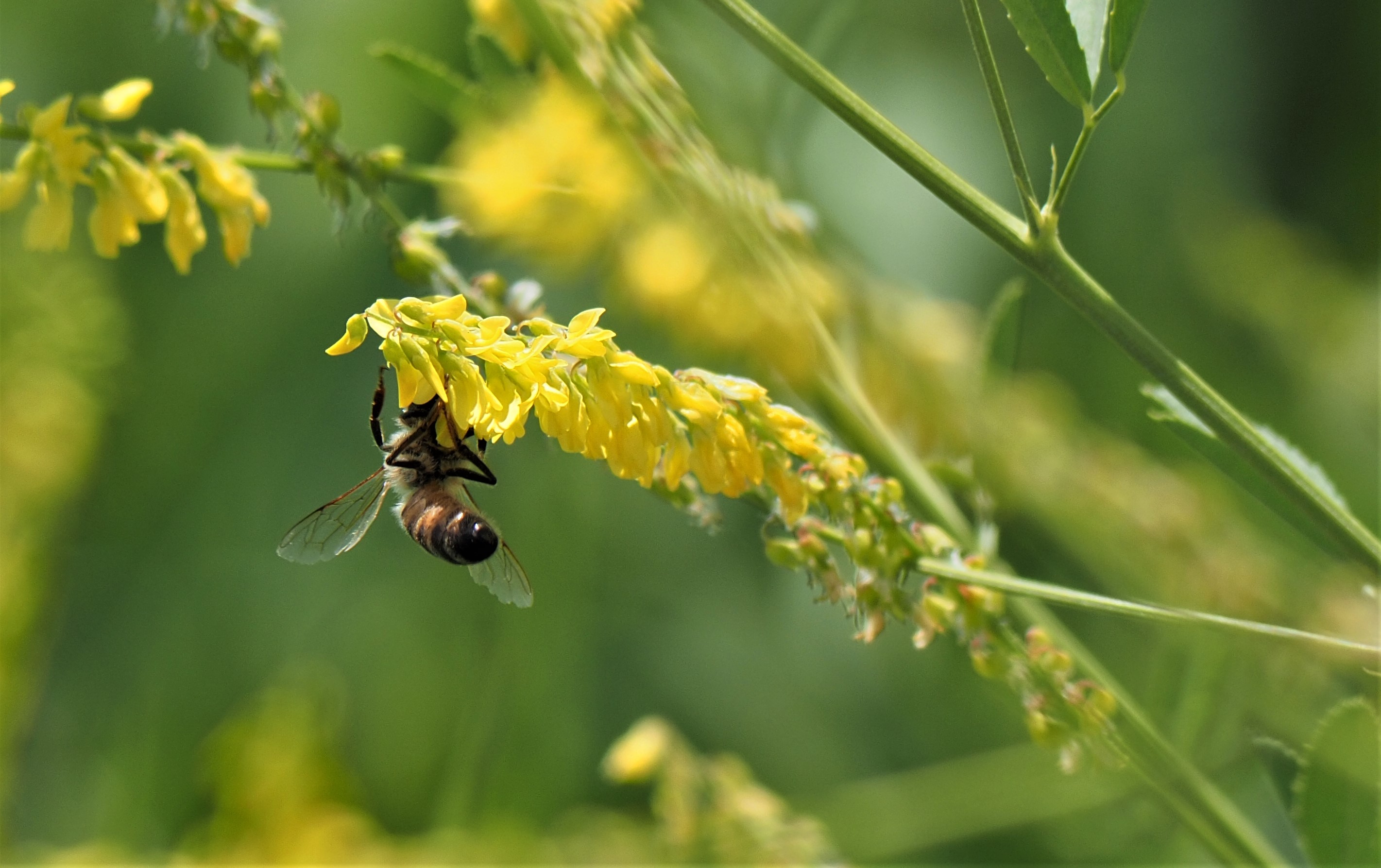
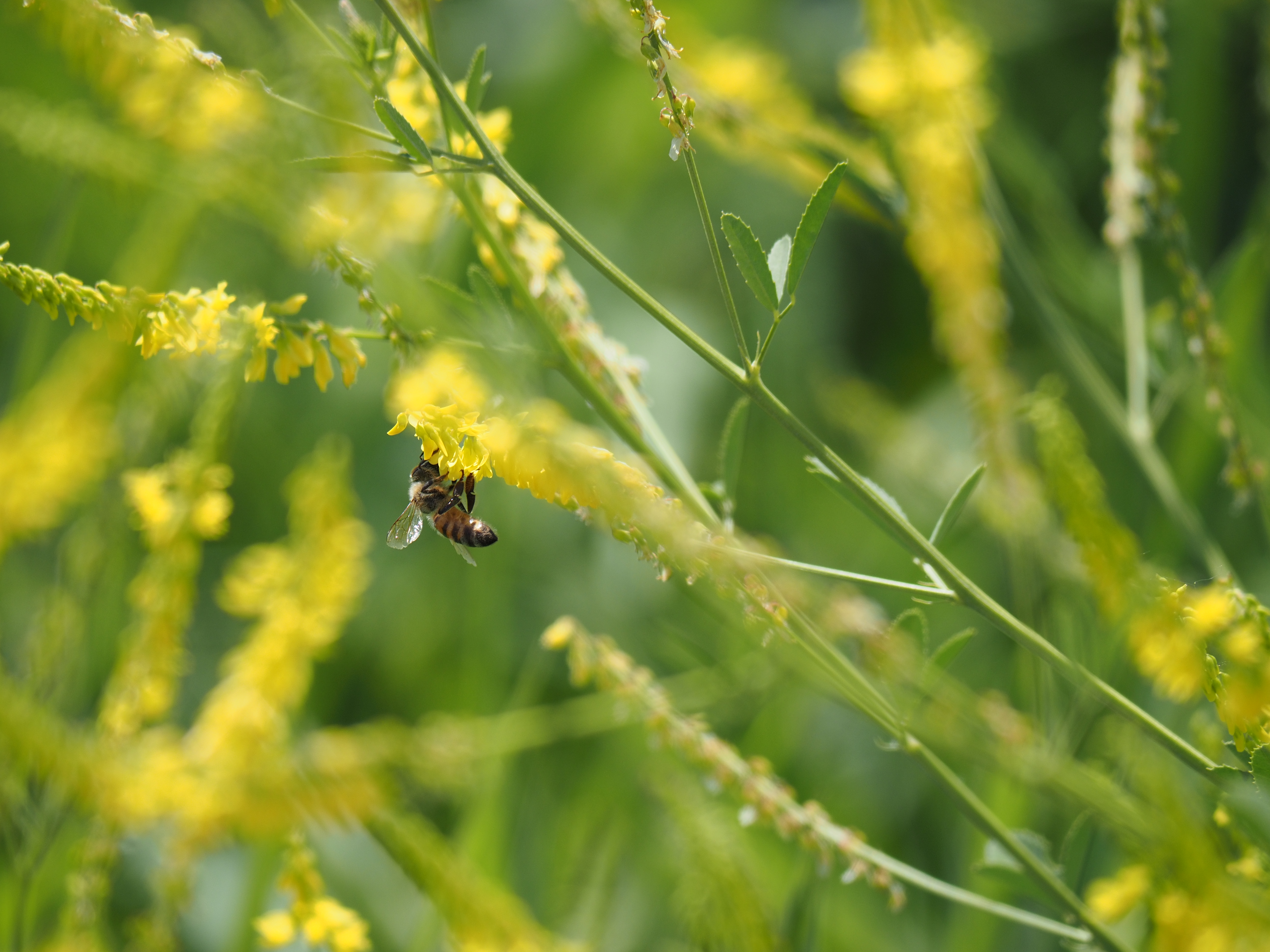
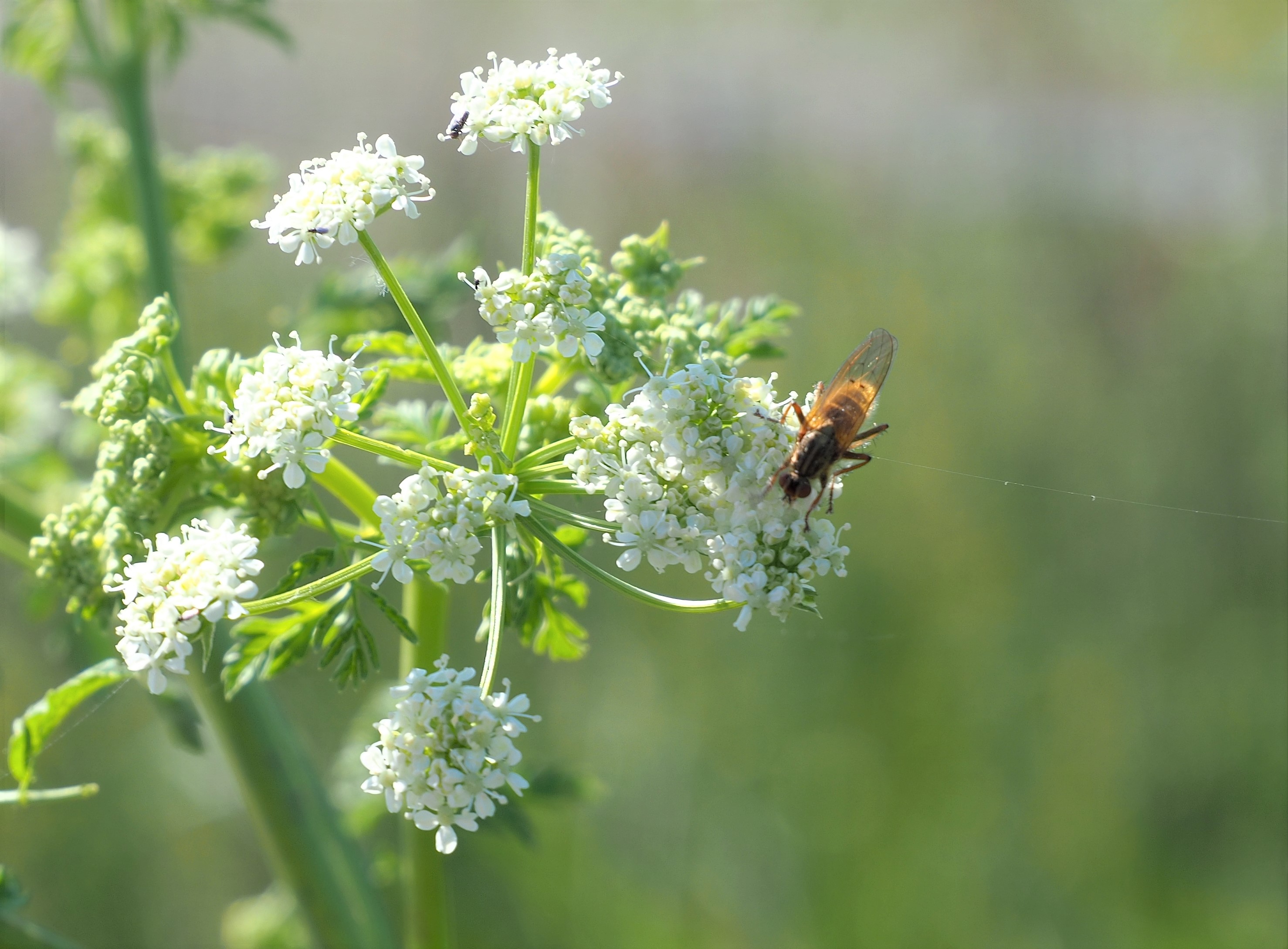
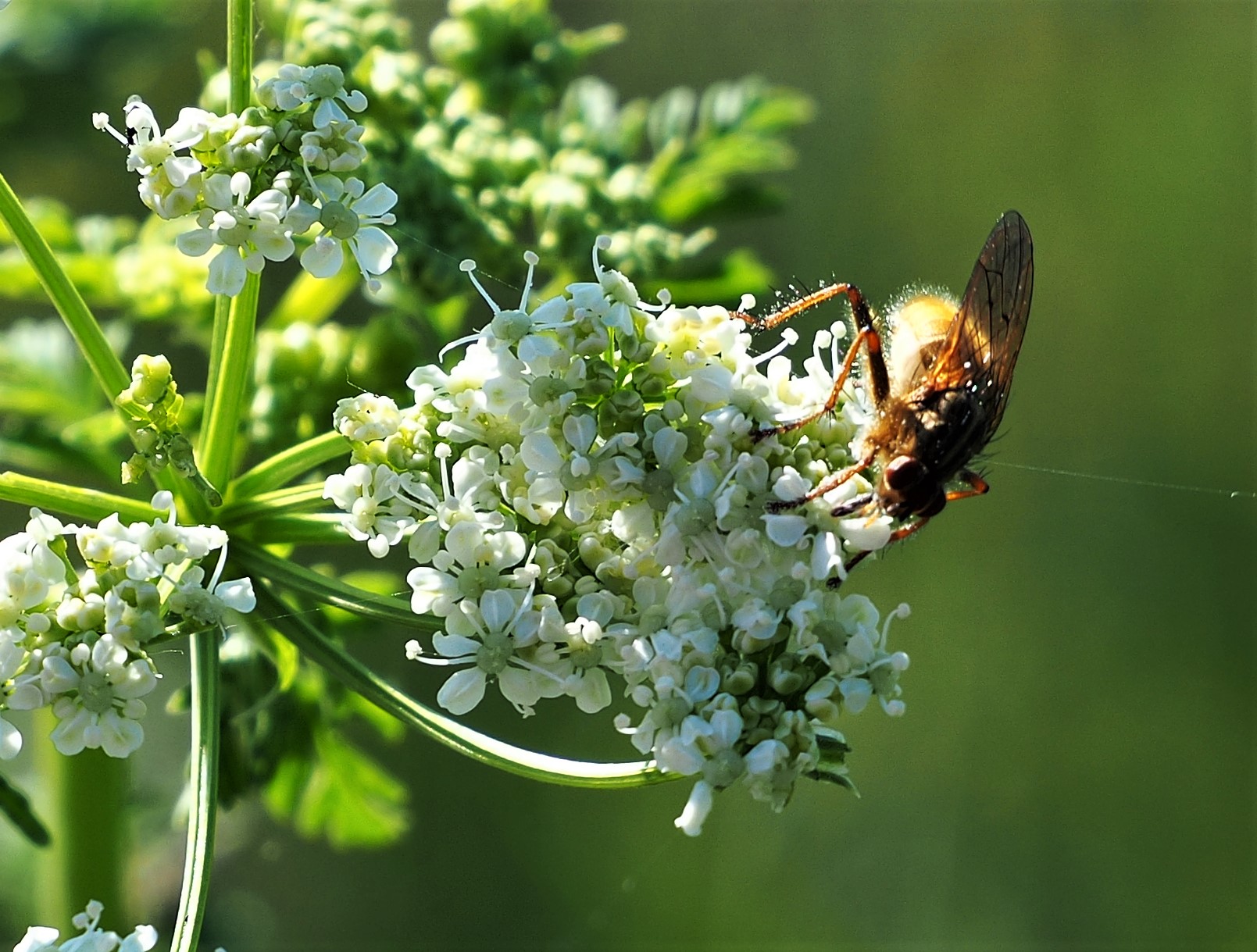
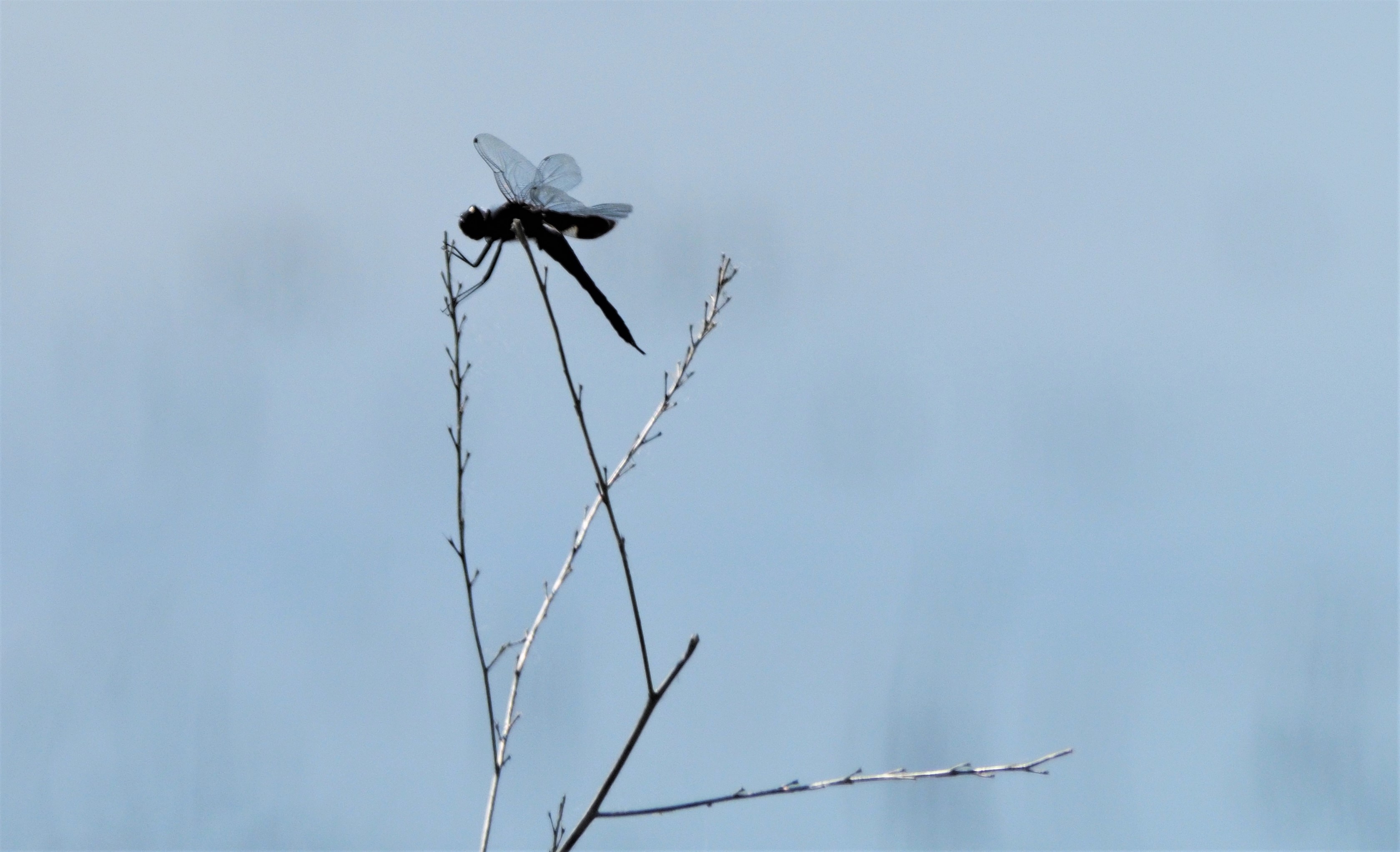
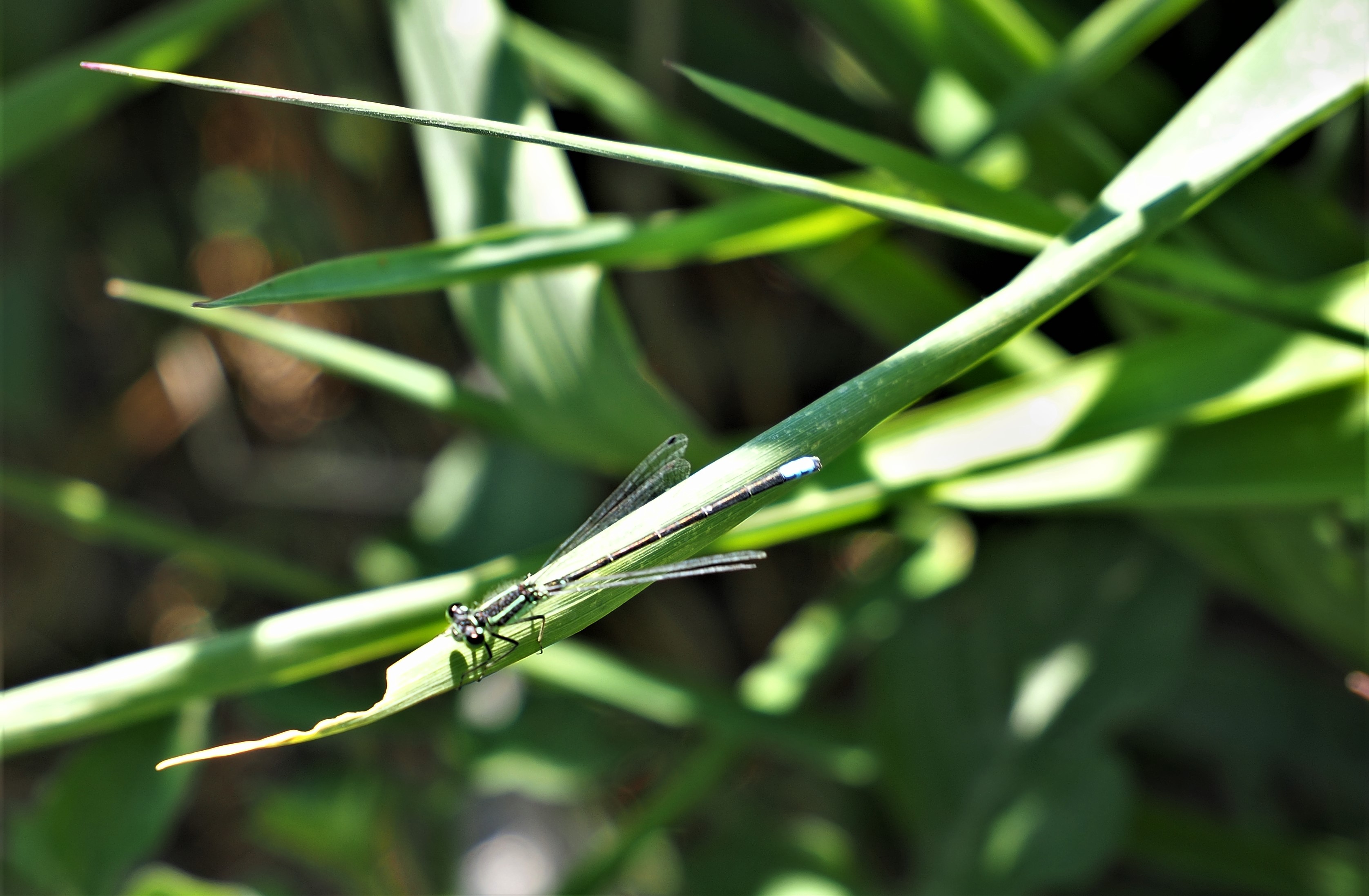
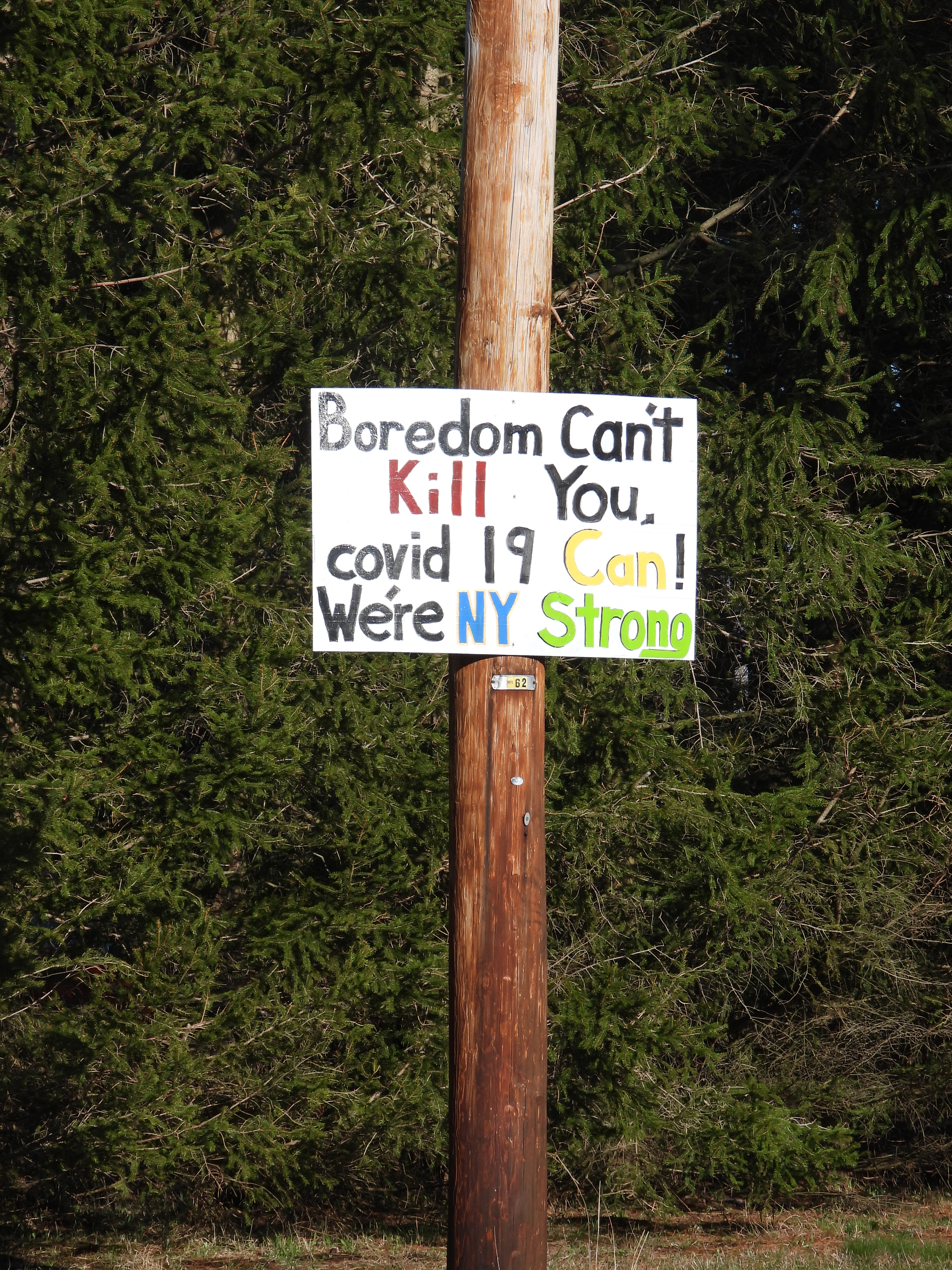
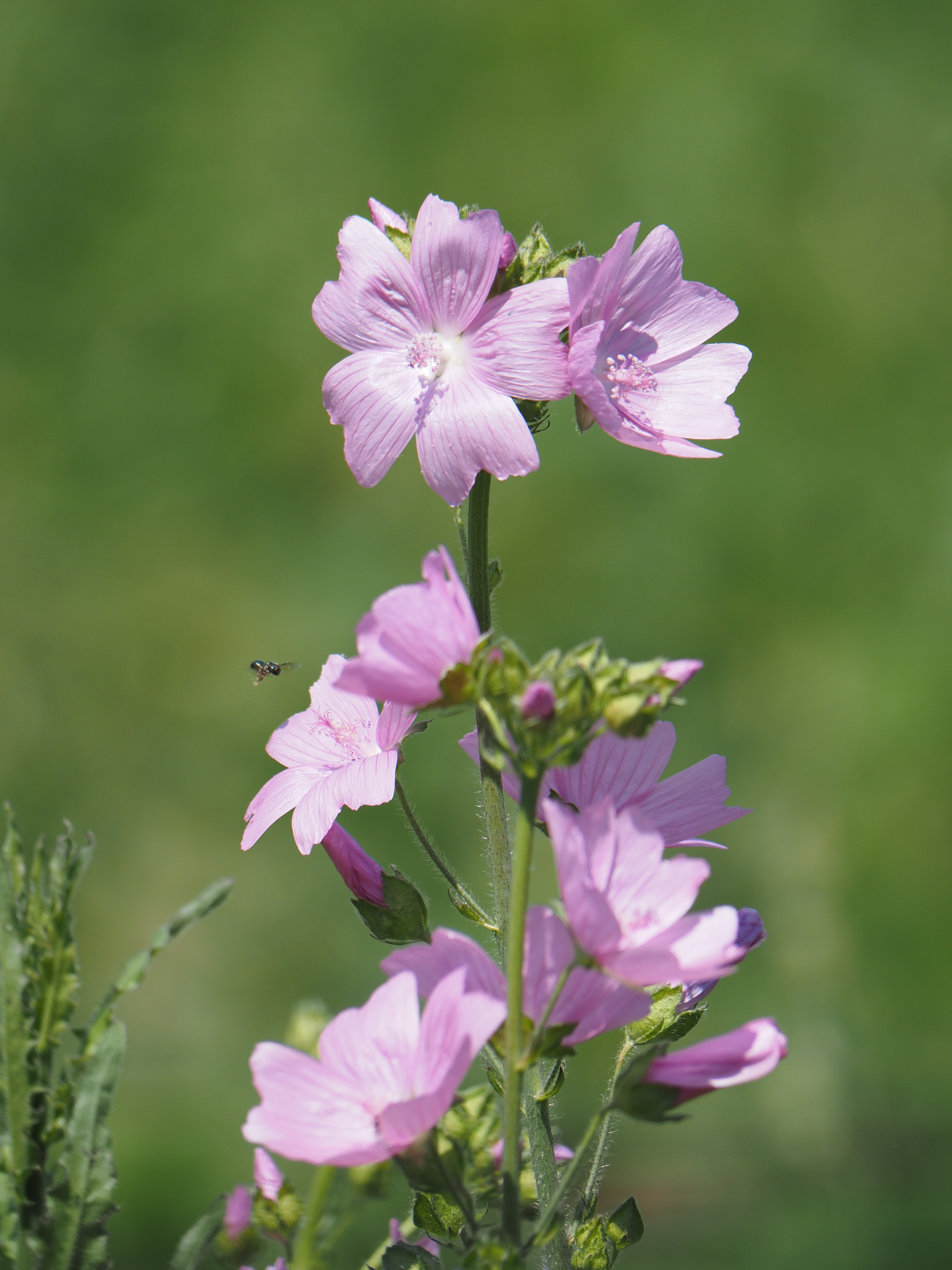
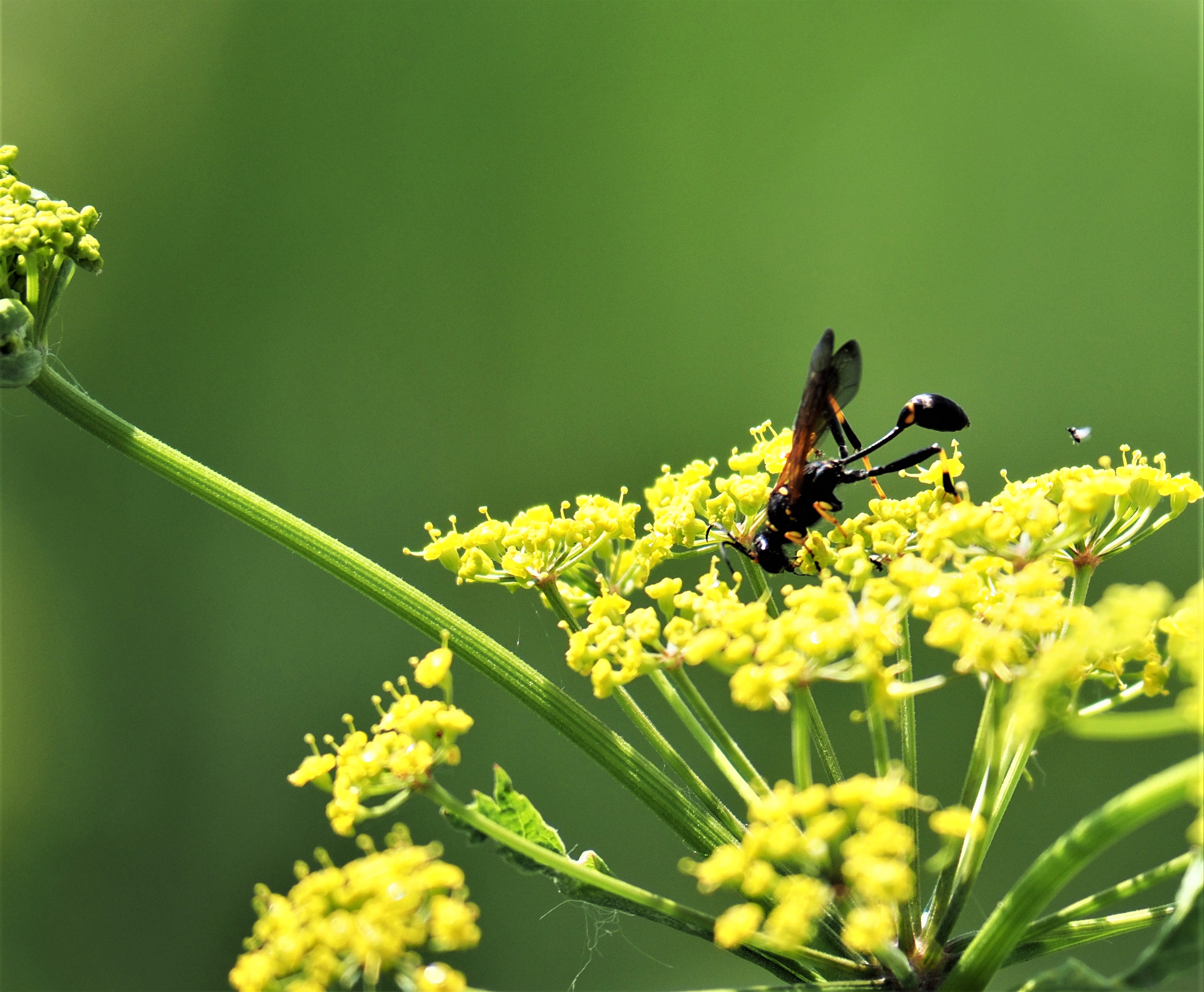
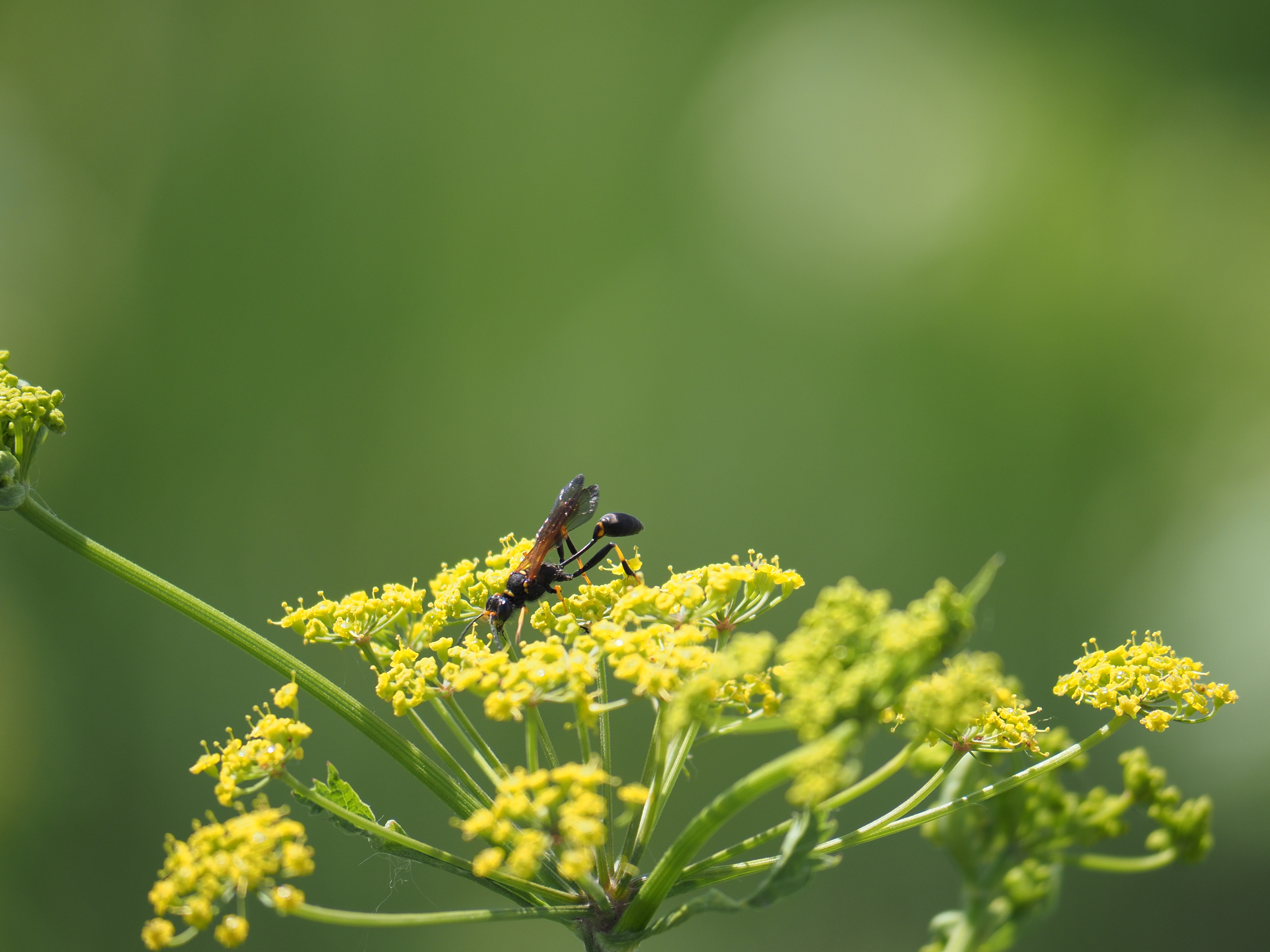
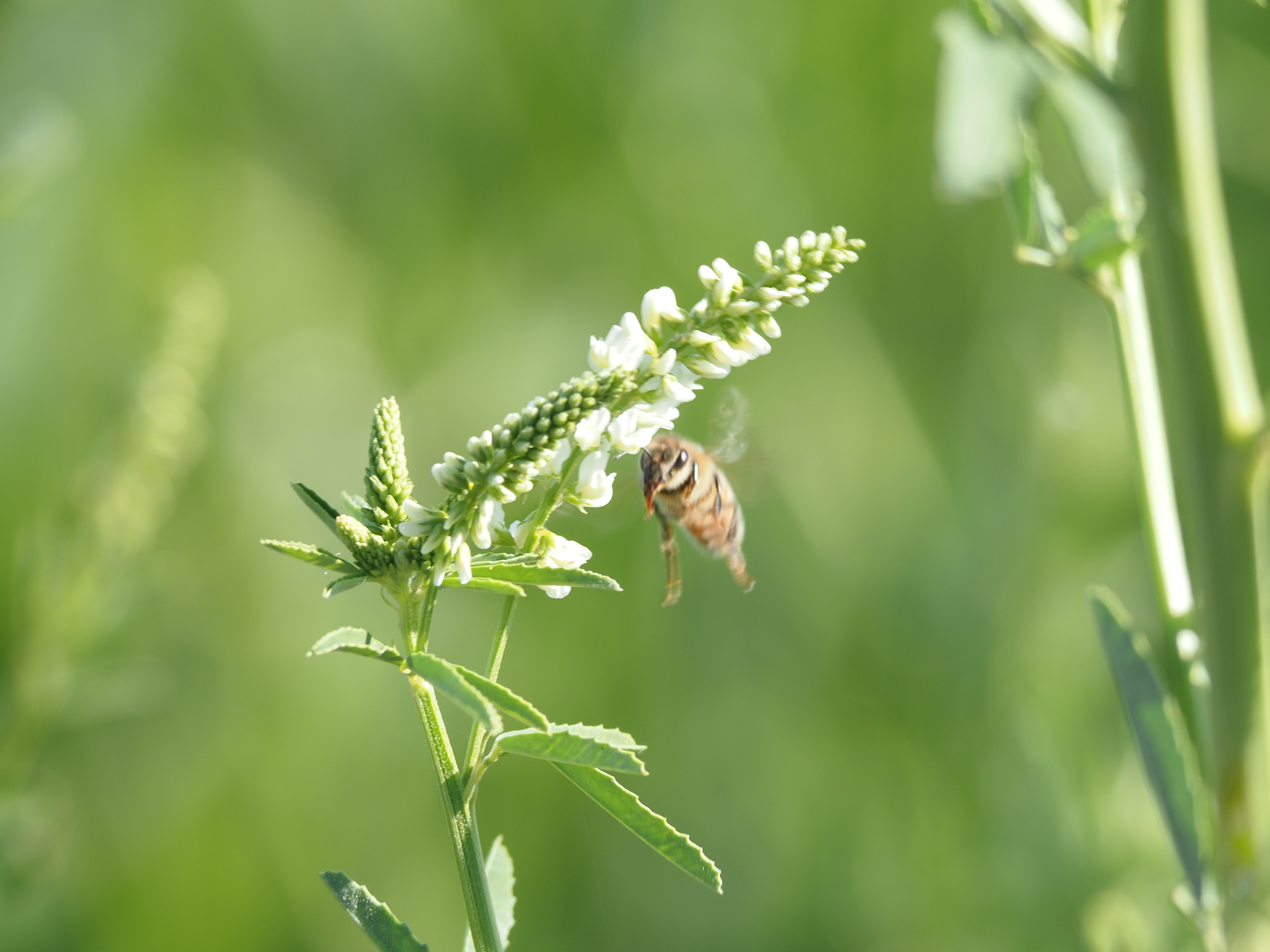
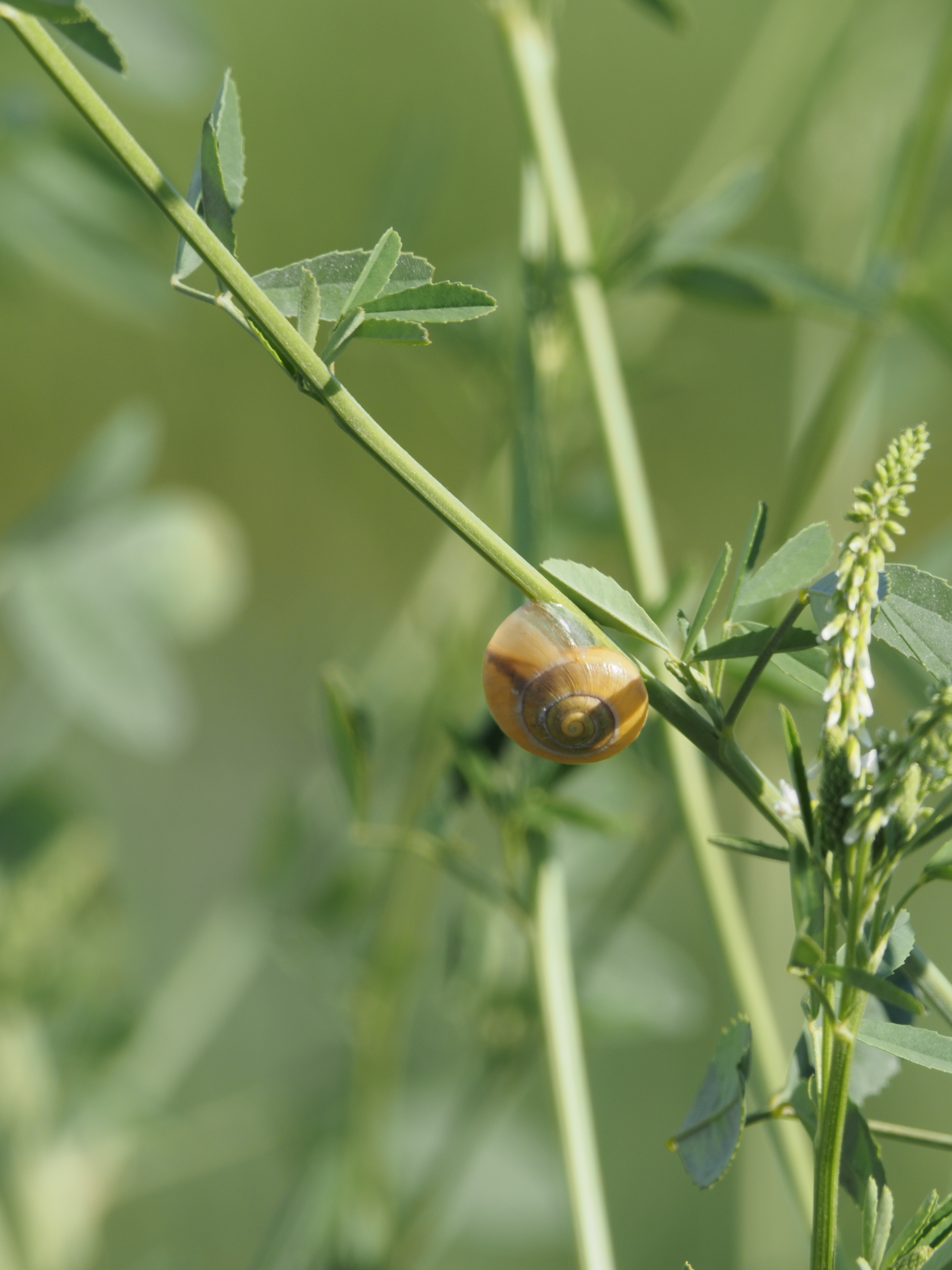
Stay away from these things! And be careful out there!!!
(published June 19, 2020)
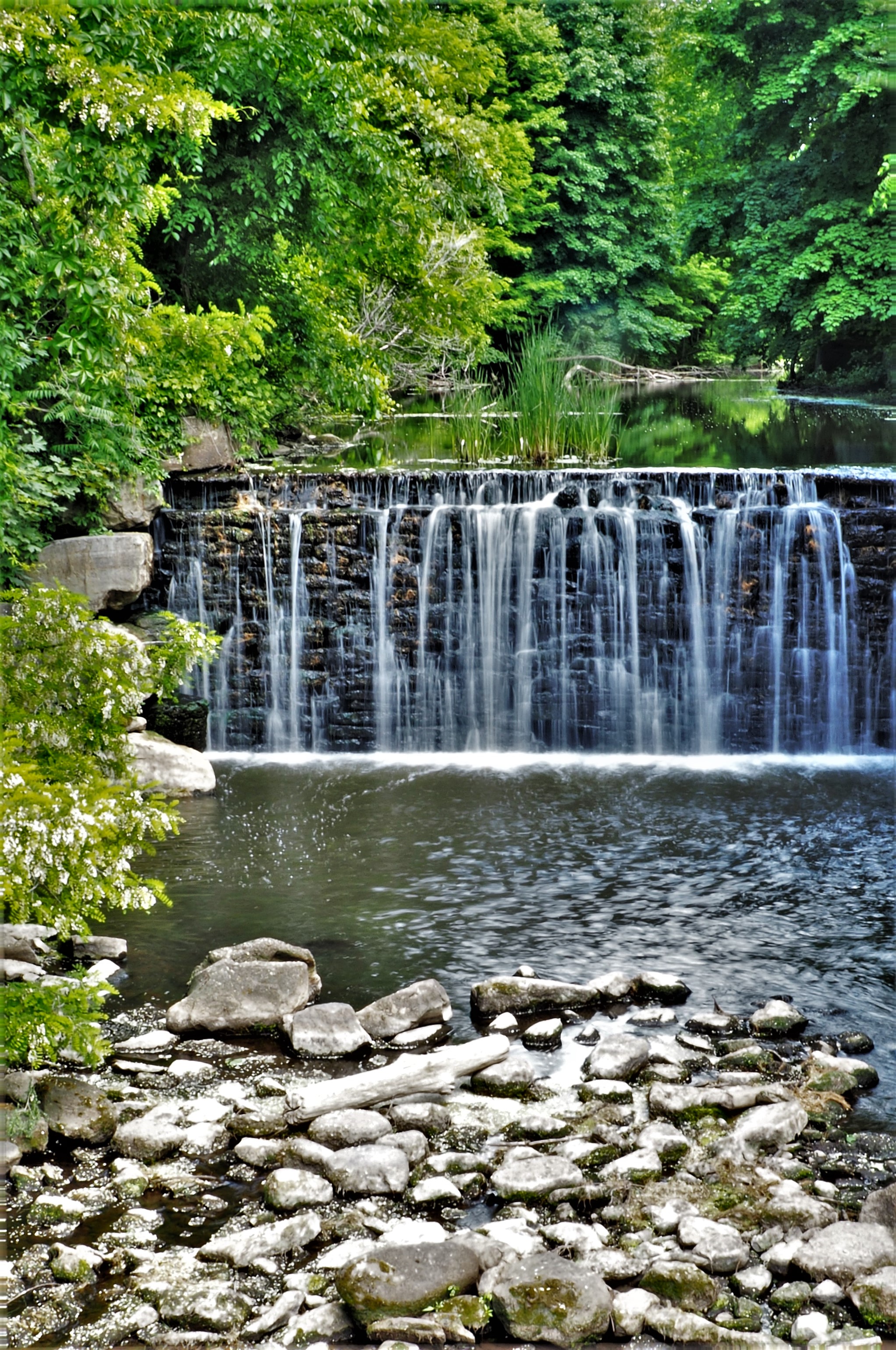
What is this, some sort of magic?
No, it’s not magic at all. In fact, it’s something that’s been around for a while.
And I was thrilled to be able to replicate it! <—– because I’m a newb, and these easy things still excite me.
The Big Three camera makers, though, are just beginning to catch on to it and are now putting it in their newer cameras — you can buy these if you like, but it will cost you big time — be prepared to upgrade and spend a thousand or two or five. . .
But you really don’t have to! It’s available elsewhere for just a few hundred bucks. So, what is it about the seldom-talked-about Olympus, Panasonic, Fuji, and Ricoh (makers of the Pentax brand) mirrorless, lightweight camera bodies that prompted The Big Three to make these changes to their best-selling line-ups?
Simple.
It’s five-axis in-body stabilization, or IBIS if you prefer photographer short-cut lingo (I’m still learning it). And it’s available, even in entry-level camera bodies, for only $499.00 plus tax. That is what American buyers pay for a brand-new Olympus OM-D EM-10iii. I saved even more on mine, because I paid $336 for a lightly used body that is quickly becoming my favorite take-along.
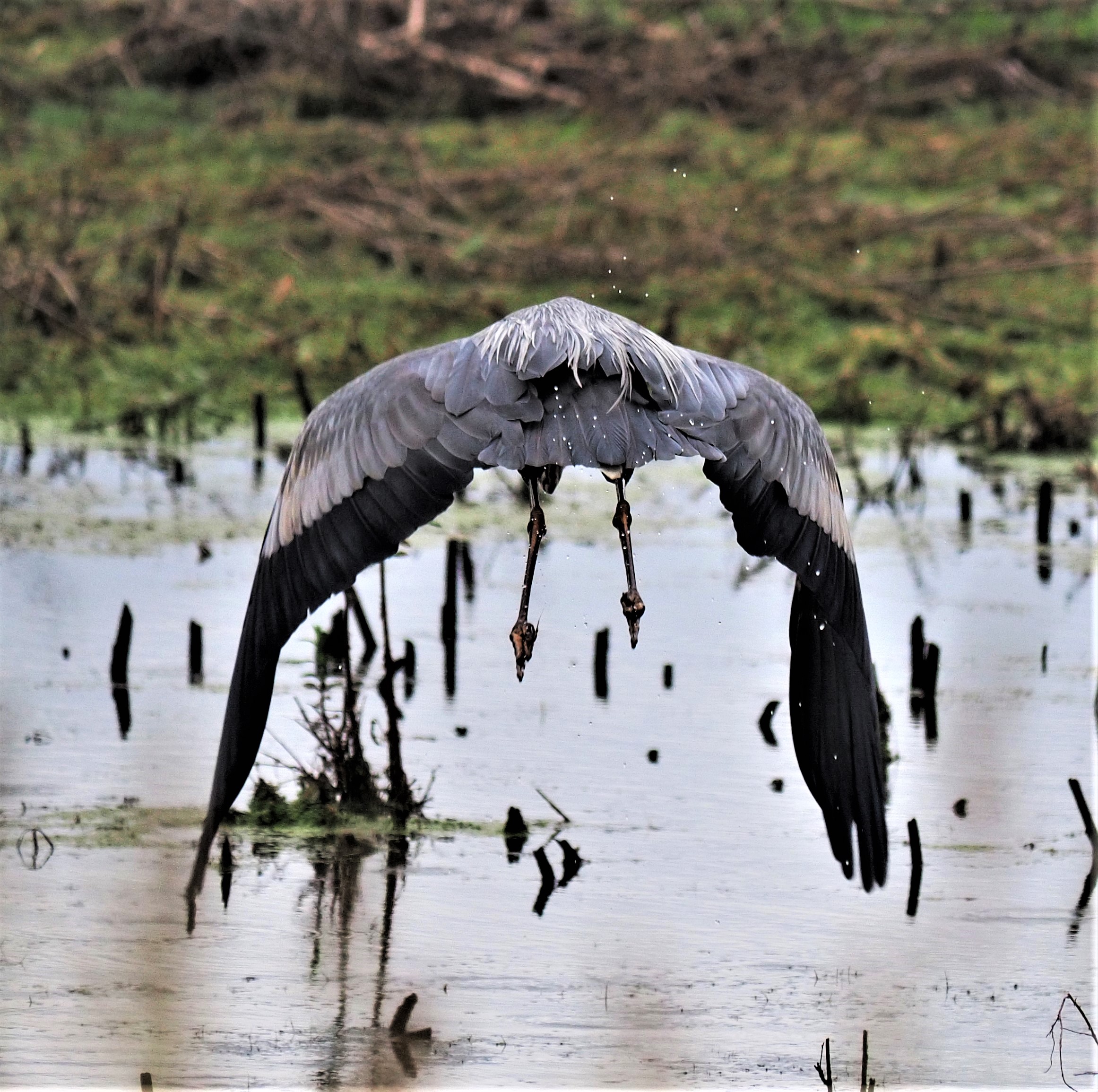
You might be inclined to scoff at such IBIS nonsense, since lens-based stabilization has been around for years, and it works just fine, thank you very much. But if you do, you would be missing the point. It’s the 5 axes — forward and backward, up and down, and side to side plus a build technology designed to counteract camera shake by balancing the sensor — that permits hand-held low-light photos and “silky water” shots.
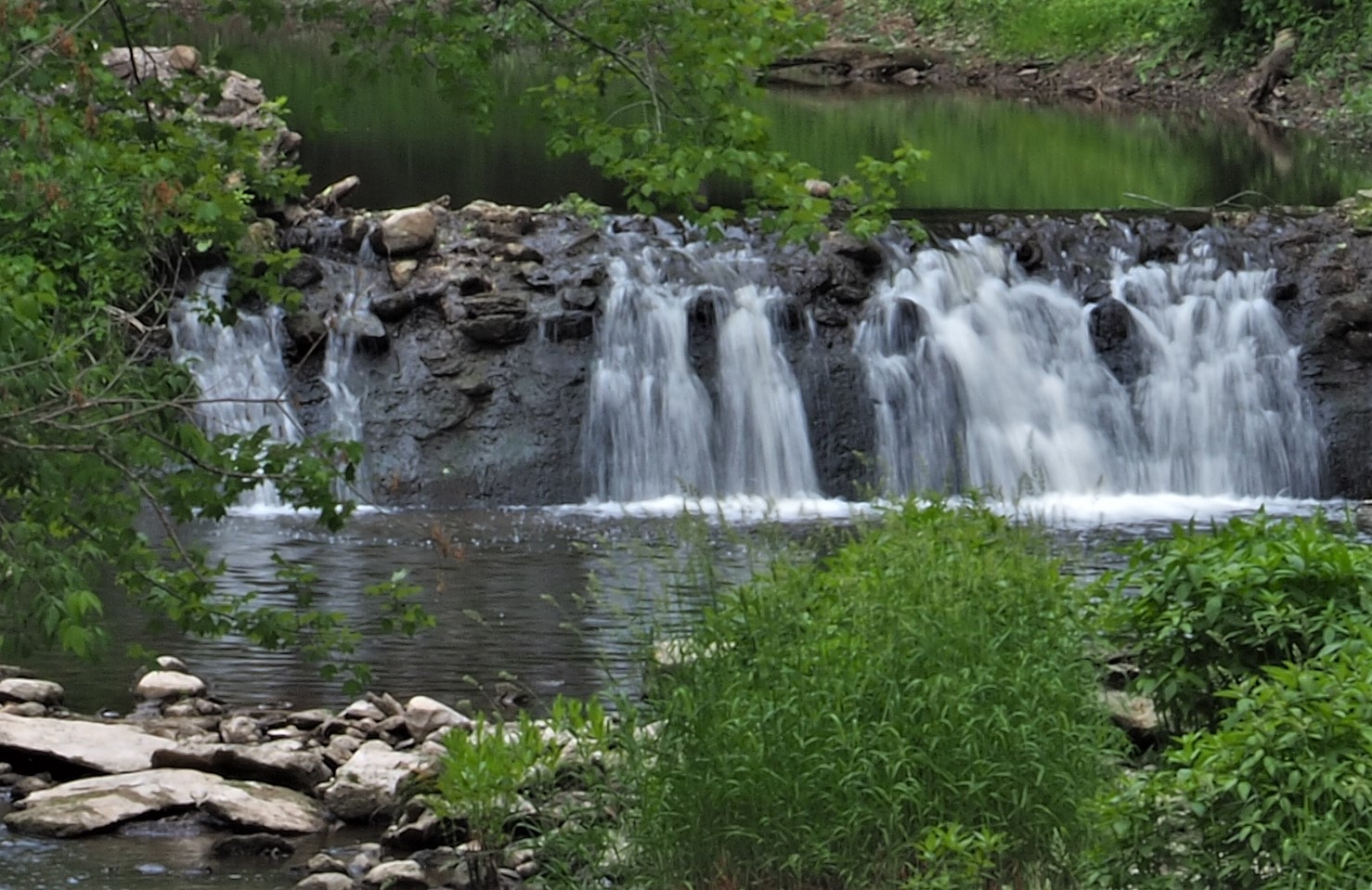
Most skilled photographers can hand-hold at 1/20 but, sadly, I am not one of those. However, from what I have read it is fairly standard to advise no hand-holding below 1/60. The 5-axis IBIS found in these other-brand cameras changed all that by adding up to 5 more stops of safe hand-holding!
Even for newbies like me!
To be completely honest, there is another factor that contributes to these amazing hand-held results, and that is the weight of your gear. Five-axis in-body stabilization is commonly found on cameras built on the micro 4/3 system. These cameras are inherently lightweight, much more so than, say, Canon’s entry level Rebel T7, or its flagship 90d. For example, the Rebel T7 weighs in at 1.48 lbs, the 90d at 2.7 lbs. Compared to the EM-10 iii (0.90 lbs), both DSLRs are really heavy. Attach a wide-angle lens, such as Canon’s 24-70 (2.1 lbs), or a mid-reach lens (Canon 24-300 @3.7 lbs) and you end up with some reallyreallyREALLY heavy gear — 5 lbs or so might not sound very heavy to you, but try holding it steady for a full second or two. Much easier to hoist, point, and hold the just-under-1-lb EM-10 with a Panasonic G Vario 100–300 mm (1.5 lb). That combination weighs half as much as a T7 equipped with a 300mm telephoto and less than than the 90d body alone!
I loved my Canon gear, but I found the EM-10 iii to be packed with features I don’t have on my 77d. That’s because The Big Three reserve these features for their more expensive models. I think the EM-10 compares quite favorably to my Canon 77d, and if I had upgraded to the 90d I might still prefer the lighter, less expensive EM-10. . .but not everyone agrees with me. It did not fare well in an online comparison with the 90d (it has no phase-detect in the AF), but it is important to note that the 90d is benefits from technology that was not around when the EM-10 was introduced in back in 2017. Even so, in such important areas as detail, sharpness, weight, and value, the EM-10 held its own. See the results of the comparison here:
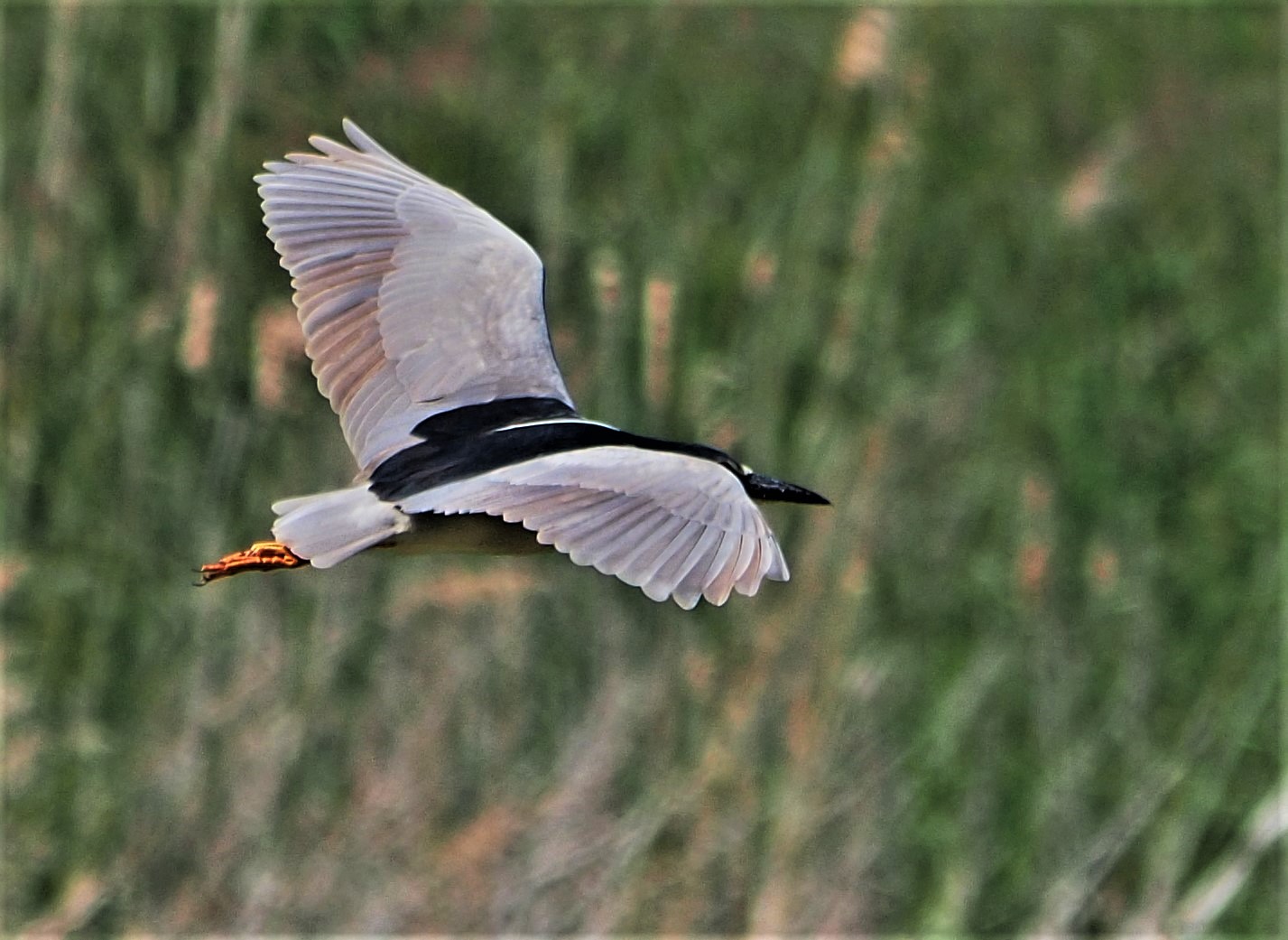
In a comparison with Canon’s entry-level Rebel T7, the EM-10 iii did much better. In fact, it did very well on everything except sensor size (it’s smaller) and phase detection (it has none). (Good light with contrast helps when using the CDAF in the EM-10iii — I used the Panasonic 100-300 for this night heron shot.)
The smaller MFT sensor may be statistically detrimental, but in actual practice it shouldn’t pose much of a problem — unless you crop your photos significantly or you like to print out large images. Besides, sensor size alone doesn’t determine resolution of the image, there are several other factors at play.
Crazy, isn’t it, the things that mesmerize a camera noob!
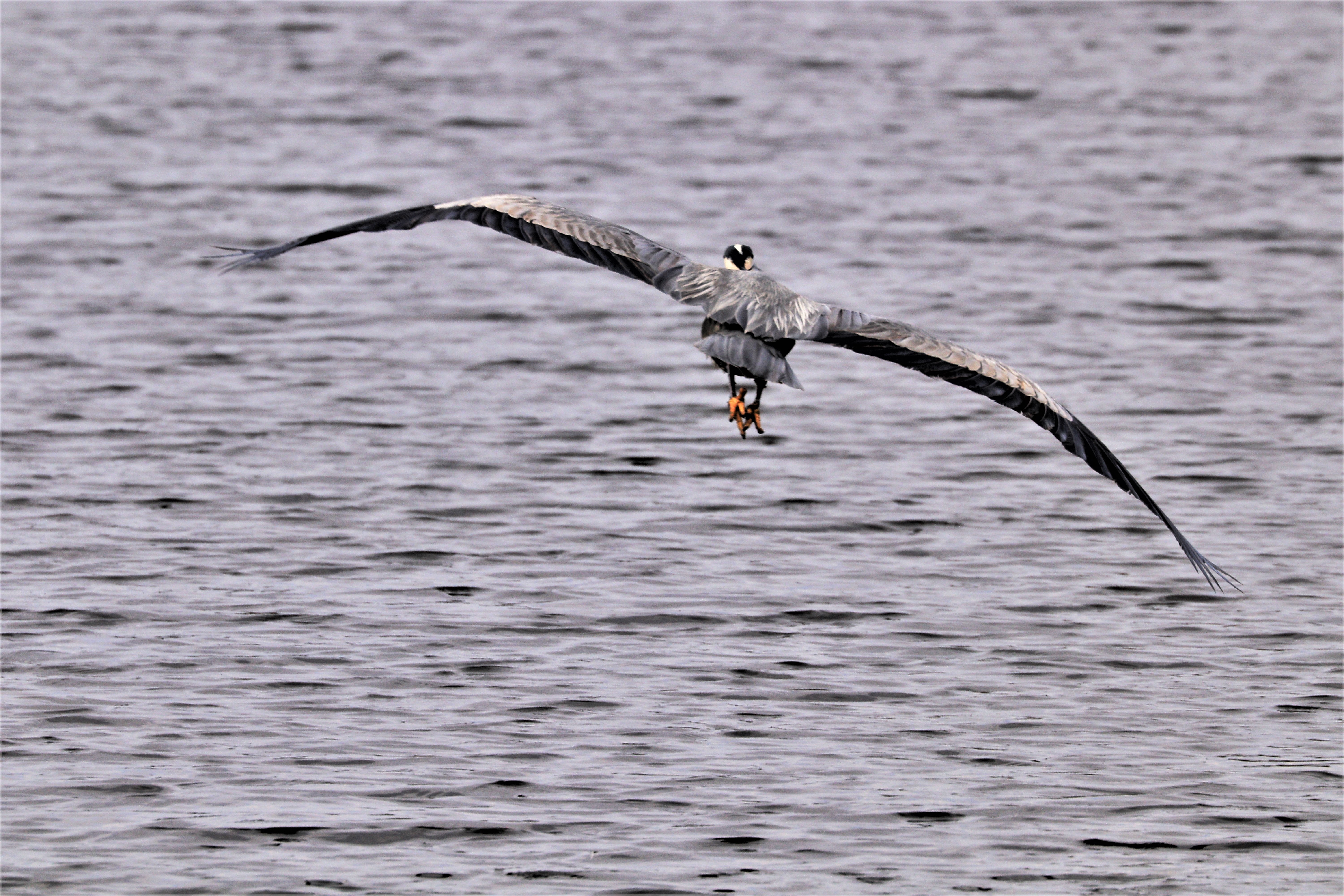
I still prefer my Canon gear for birds in flight. The optical viewfinder has none of the lag that is present on some EVFs, and that takes the guesswork out of action shots. So, what you see in the viewfinder is what you get in the final image. And despite its weight, I can handle the camera-plus-lens fairly well, especially if I get a head start on the bird and correctly anticipate its route. It’s not good for small birds, though — for those, I need to tweak my EM-10 or maybe upgrade to an EM-5 iii. The EM-5 has PDAF as well as contrast points, which enables faster, more precise focus. Unfortunately, the EM-10 has only contrast points, which are great for sunny days but make for drab, flat photos on gray days.
Or, I could use the Panasonic Lumix DMC-GX9, another beginner-grade camera that I received as a bonus when I bought a used lens. It, too, has only CDAF, but it uses a proprietary technology that Panasonic calls DFD (Depth from Defocus). Simply put,
It works by examining two images taken with the focus at different distances and analysing their sharpness so that the camera can determine which way and how far to adjust the lens to get the subject sharp. It all happens very quickly so you’re not aware of anything going on.
Huh???
The camera I have, the GX9, is not bad at all. It, too, is MFT and is both more and less than the Olympus EM-10. For me, the 20 mp sensor more than makes up for having a tilt screen (rather than one that is fully articulated). And there is no GPS. . .but there isn’t any in the EM-10, either. The GX9 also has that wonderful 5-axis IBIS, but what I really like about this camera is its ability to track flying birds or running foxes — that DFD technology really works!
Published June 15, 2020)
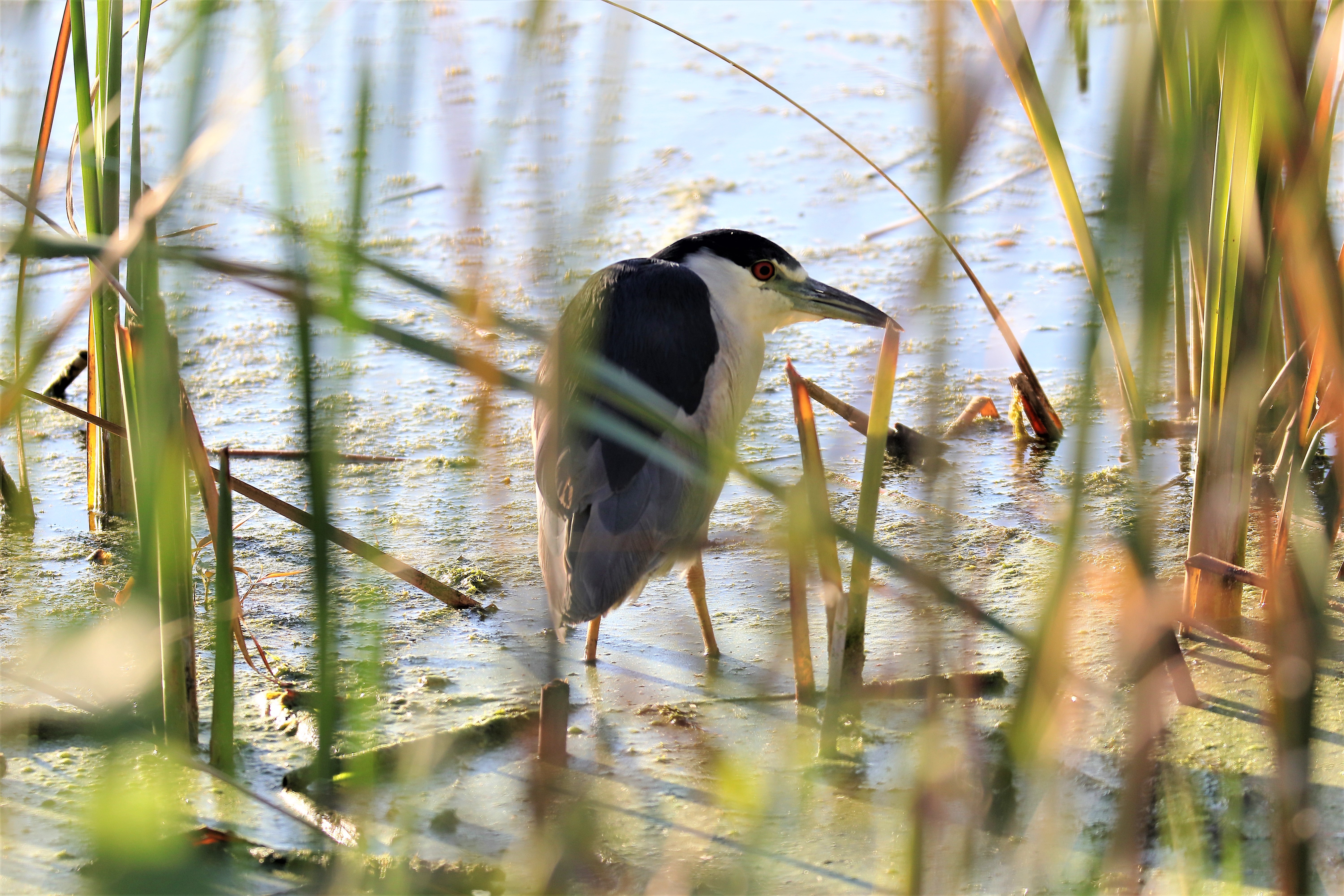
Unusual for me, that is. I haven’t been photographing for very long!
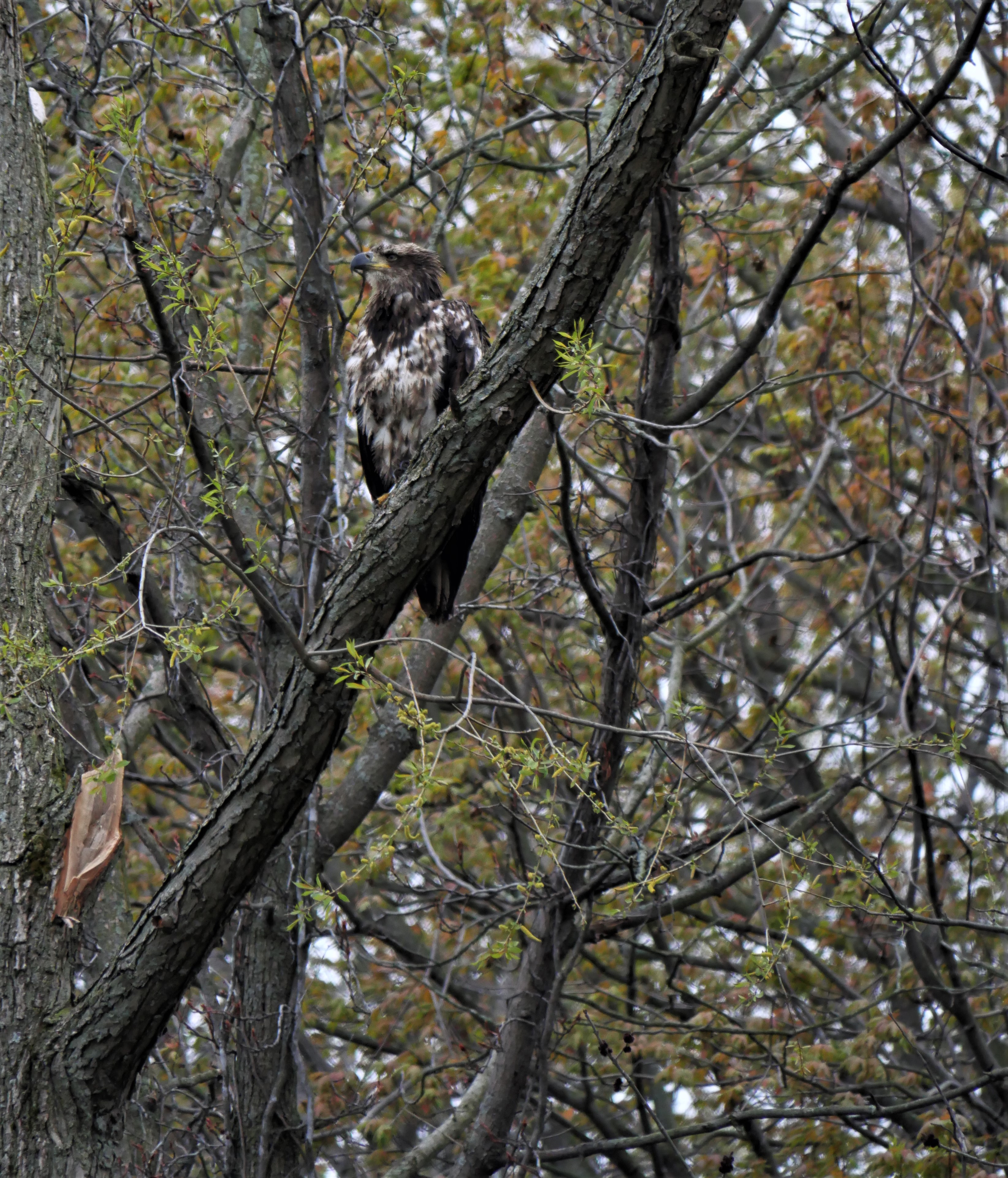
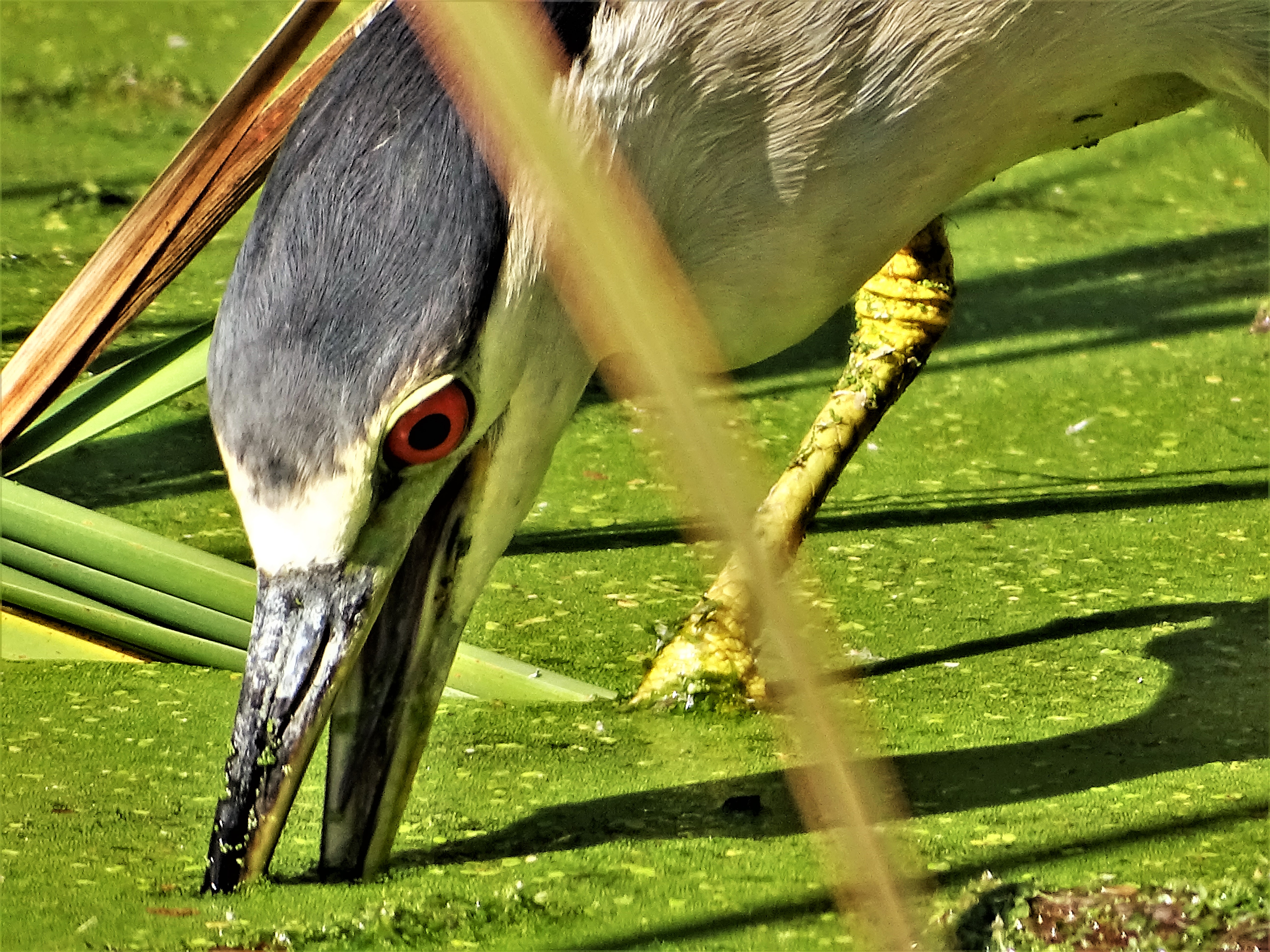
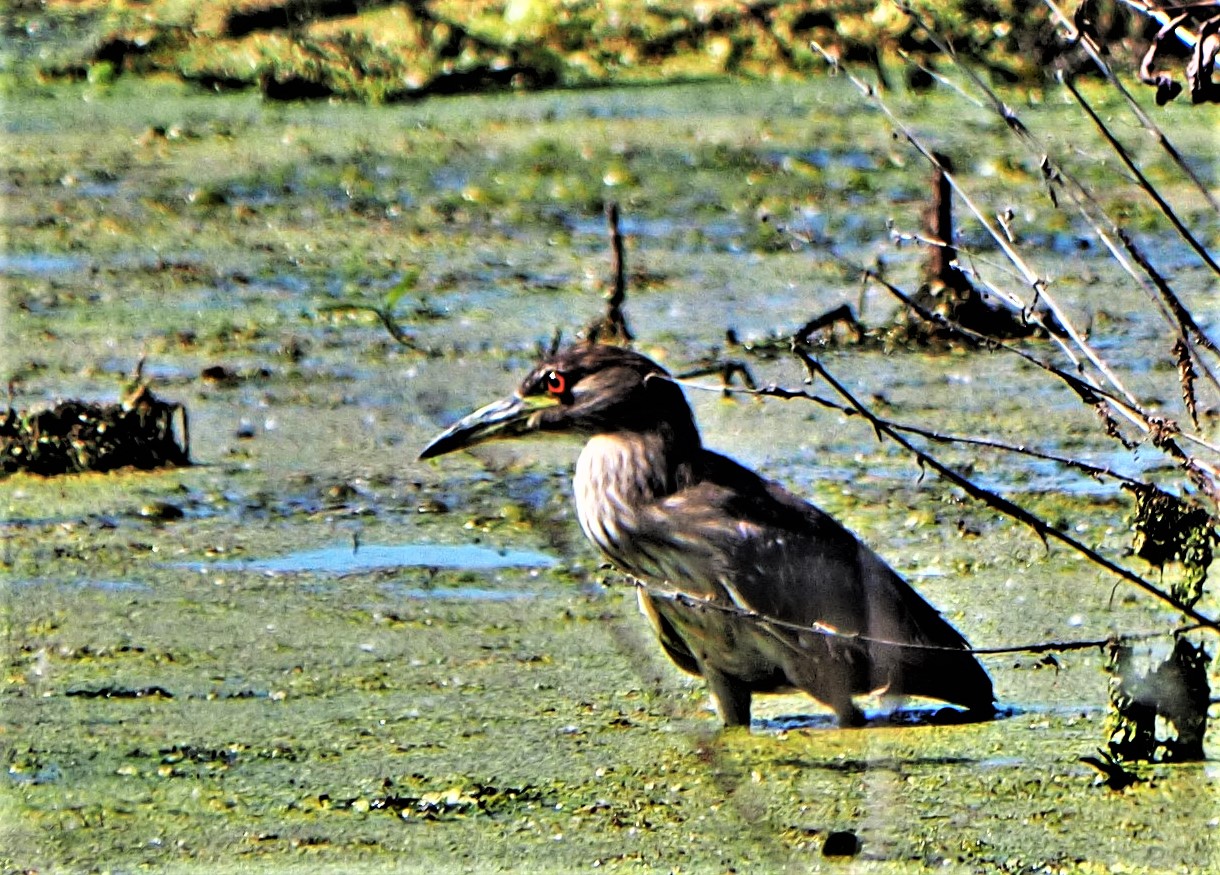
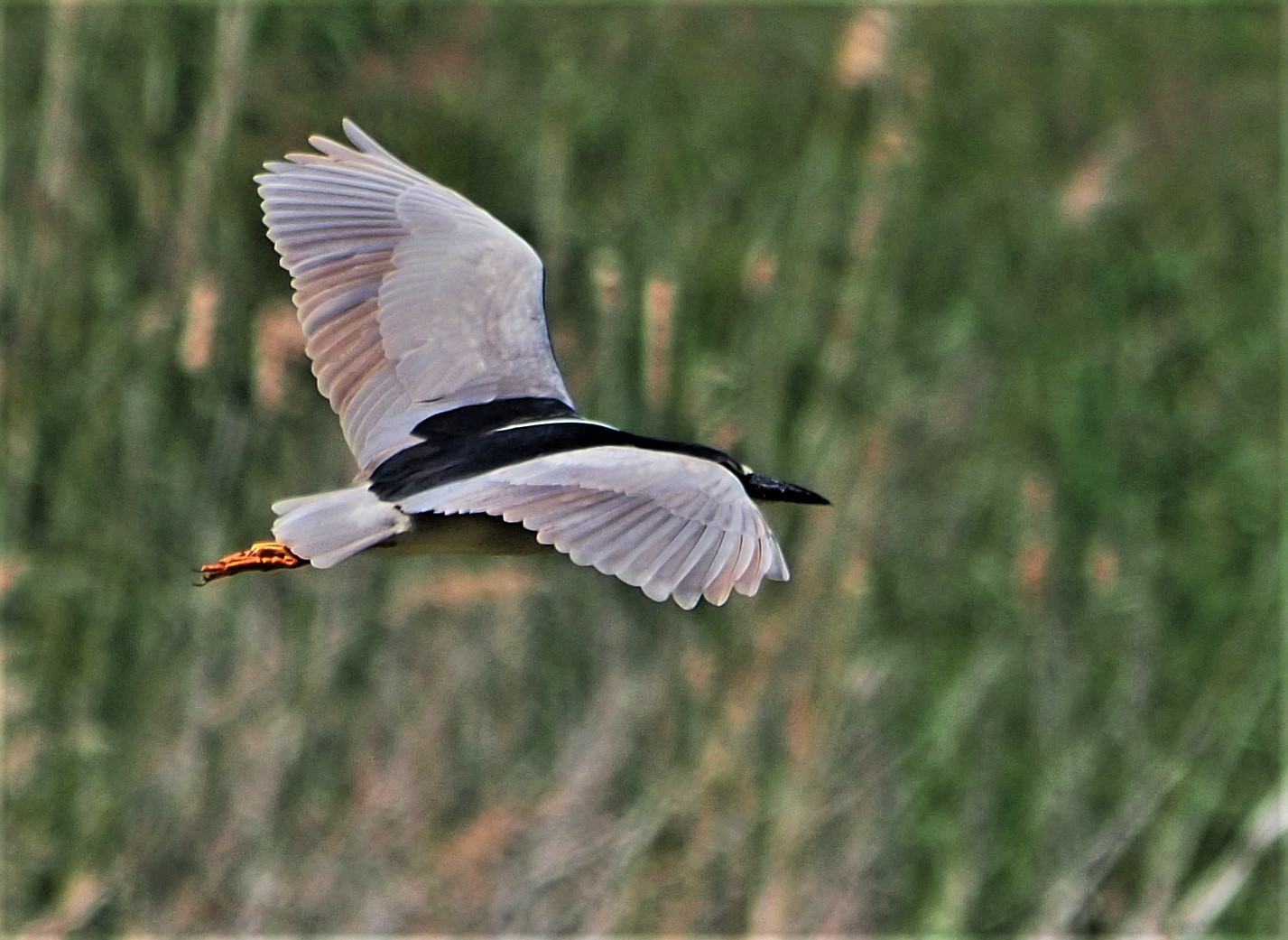
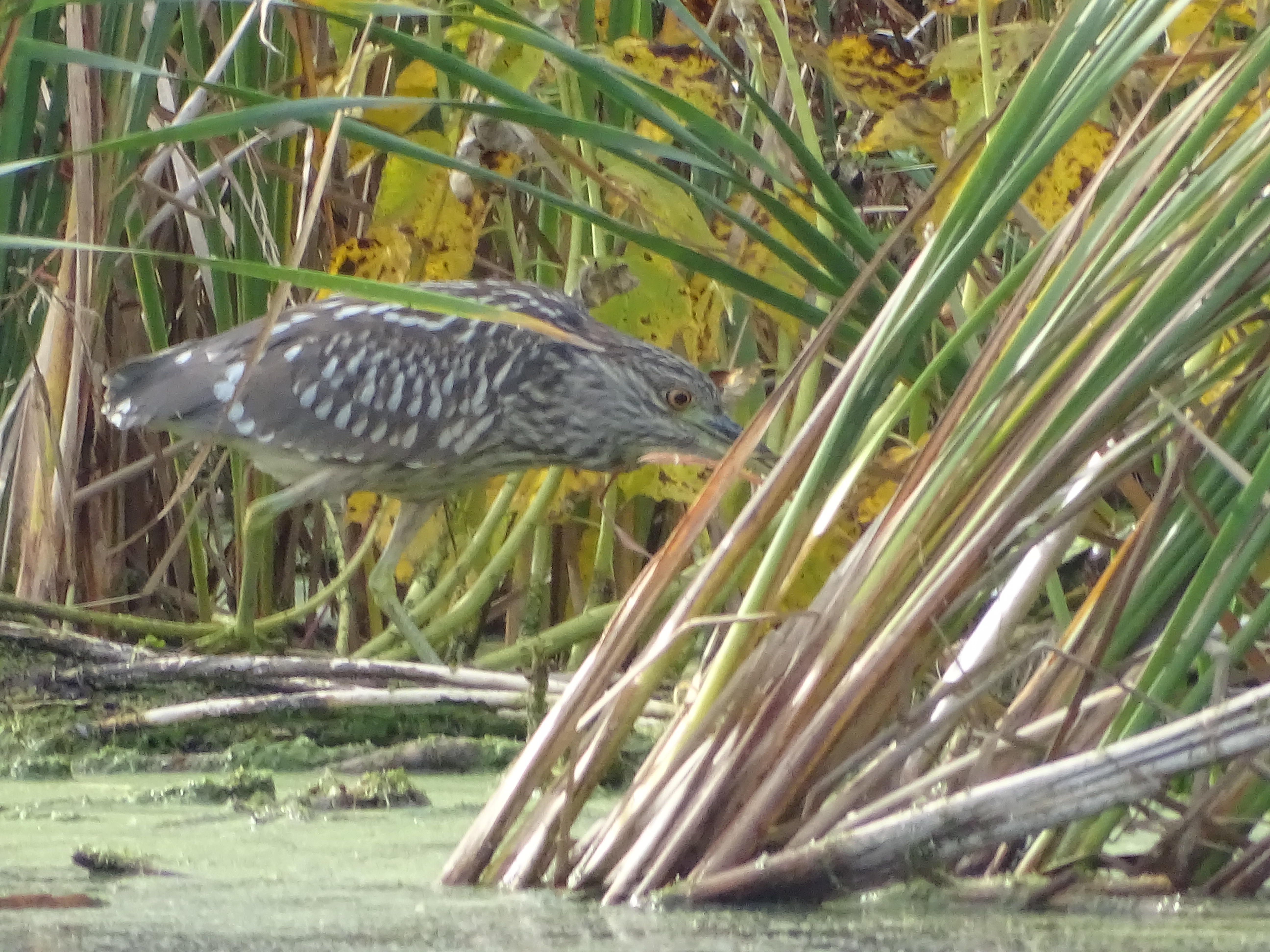
It’s a black crowned night heron. Well, call it a “black crown” if you wish, but I never saw one that extends all the way down your back, and I don’t know how active these herons are at night. So, “black crowned night heron” might be a little misleading. “Hunched-over flat-headed blue-and-white heron” might be more accurate albeit less flattering.
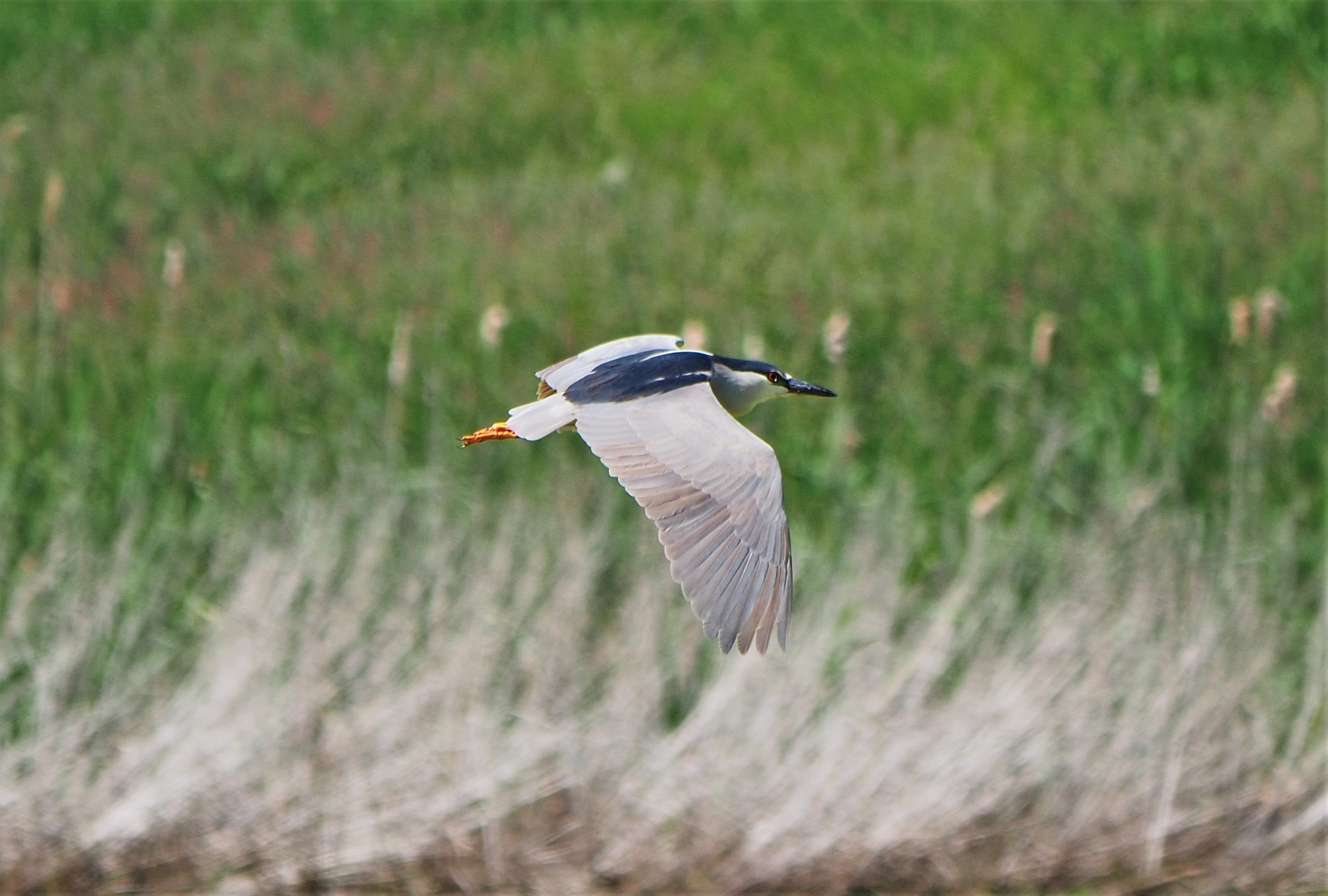
All I know is that it’s unusual to find one who is willing to fish right out in the open.
During the day.
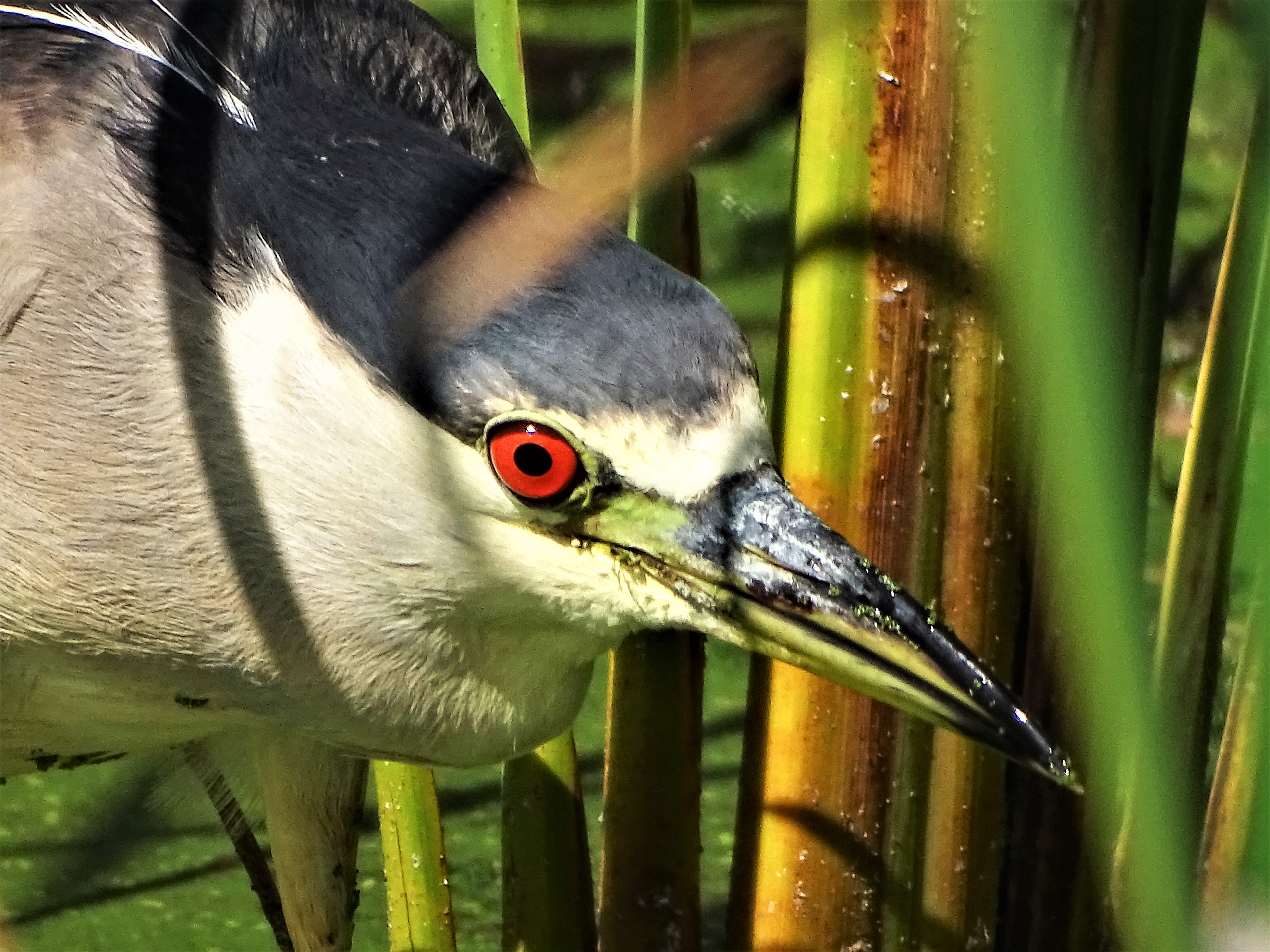
The ones I’ve seen in the past all required a great deal of me trampling noiselessly — which, by the way, is impossible — through the muck and peeking under clumps of marsh grass.
And no matter how stealthily I trampled and peeked, I usually managed to flush them from their matted, messy cover, and all I would get for my troubles was a frightened animal and a pair of mud-soaked boots.
Not what I had hoped for on my day off!
And certainly not what the heron had hoped for, either.
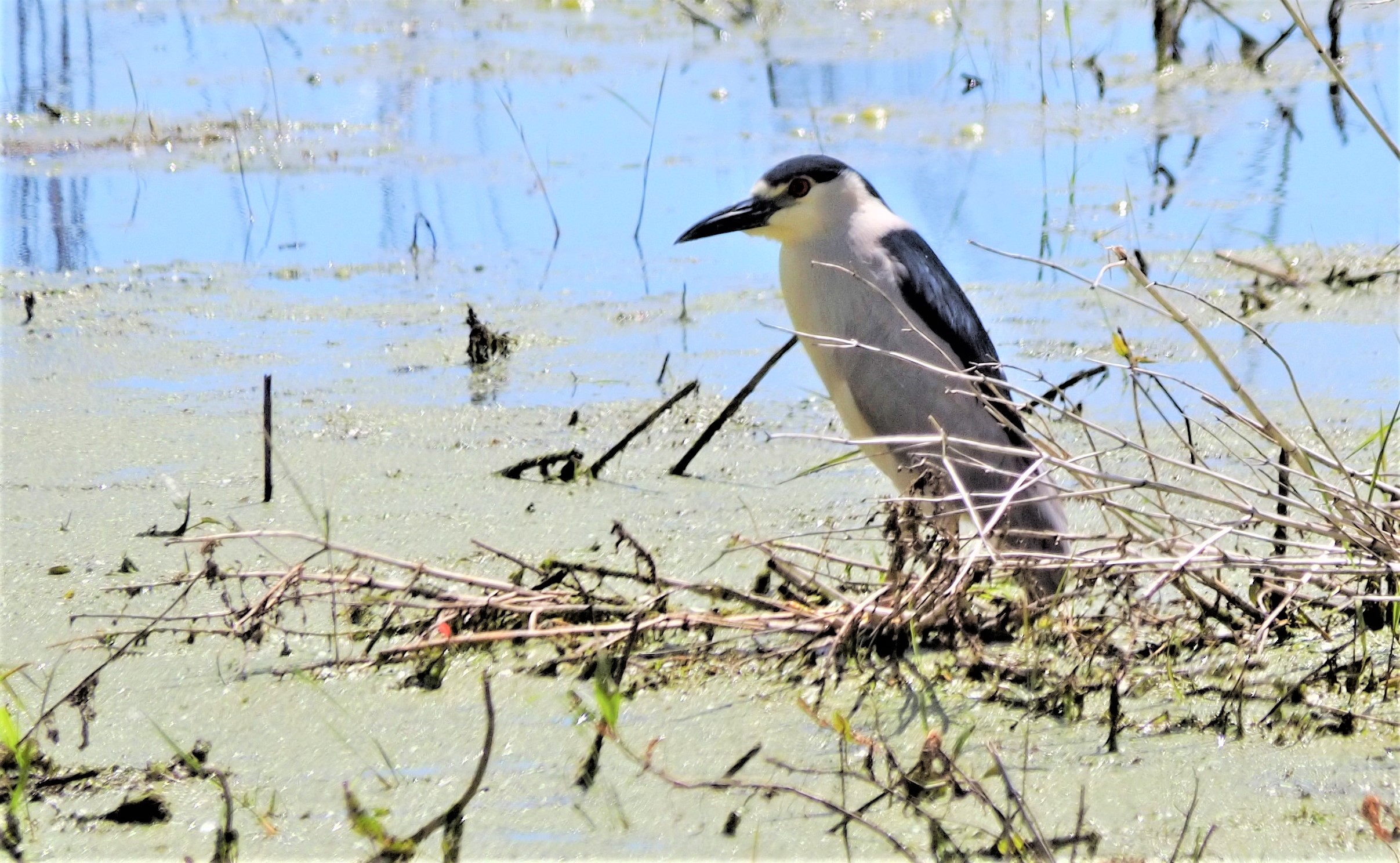
But I suppose that if I was a black crowned night heron who dared to fish right out in the open, I would do it at a road less traveled, which is exactly what this one decided to so.
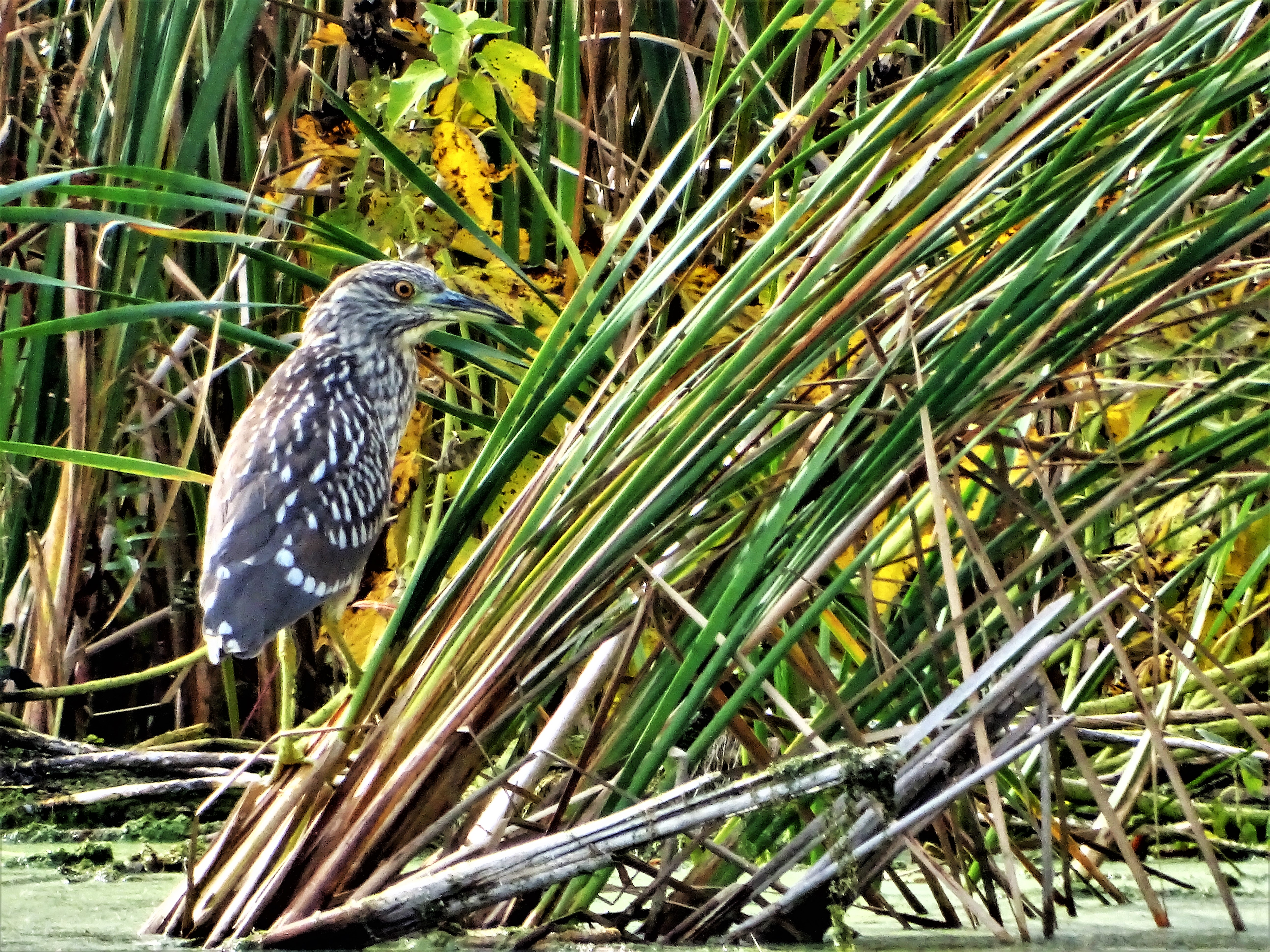
WST is smaller than the main pool down in Seneca Falls, and it’s fairly secluded with no nearby commercial development. Or nearby residential development, either. Nothing to attract anyone who might stop for a cup of coffee and a doughnut before arriving at the trail intent upon interfering with a peaceful day of fishing. In fact, that is probably the biggest reason why people drive past the signs pointing to West Shore Trail.
Even now, in the midst of the CoVid-19 scare, WST remains off the radar for most birders and photographers who are looking for something to do that doesn’t require a mask. What they don’t know is that you don’t need a mask here. No one at the trail has a problem staying six feet away from anyone else simply because you can’t find anyone else to stand six feet away from.
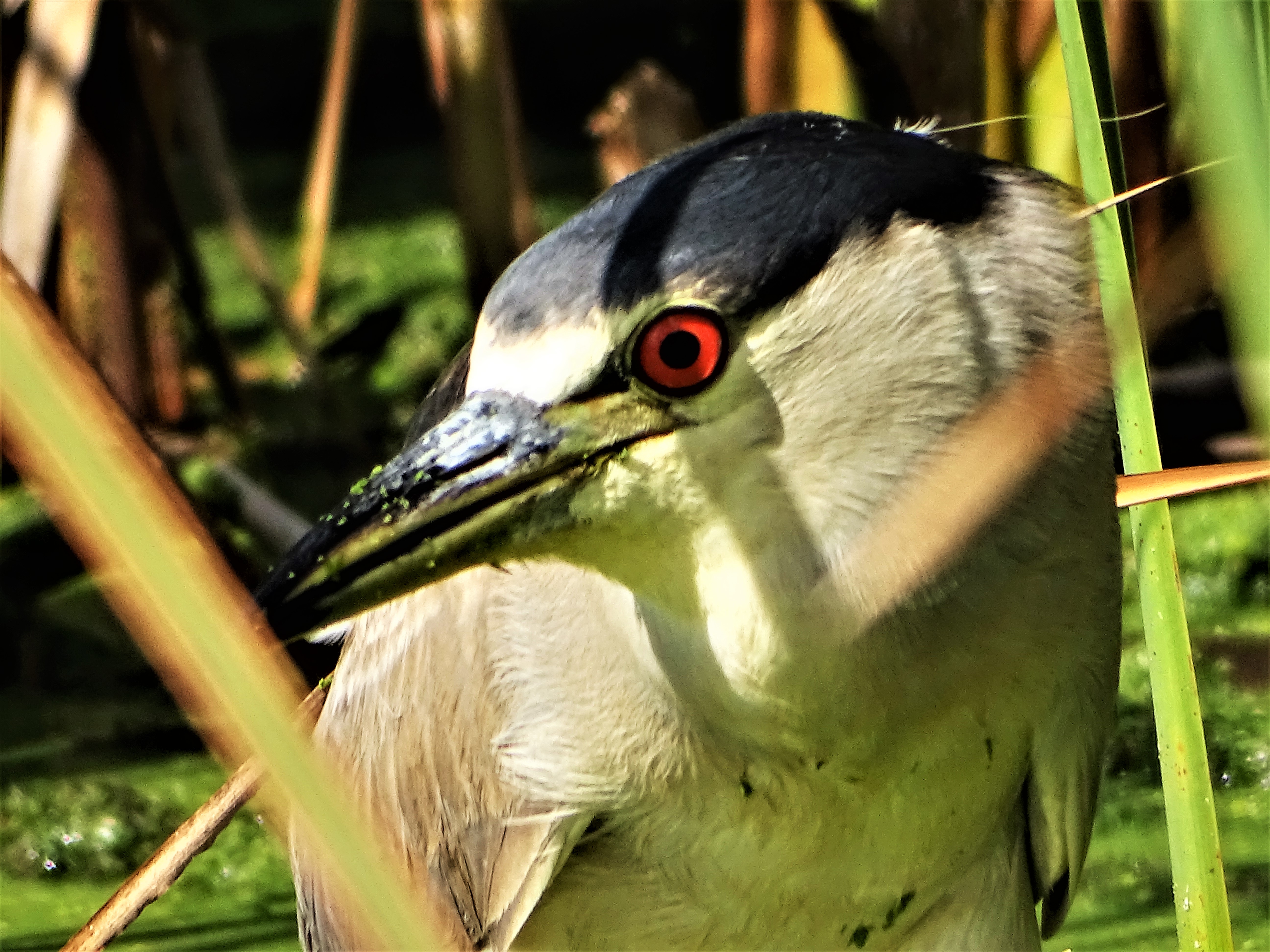
I am probably one of the few people who make sure to visit the West Shore Trail area at least once a week. I love its seclusion. Maybe that’s why it is attracting more wildlife species, too. There is no heavily traveled Wildlife Drive encircling it, like there is at Seneca Falls. So this particular black crowned night heron and its chick fished fearlessly and openly on this sunny day.
I welcomed the sunny day, too, which meant I could use a fast shutter without fear of a far-too-high ISO spoiling the shots. . .if the shots were to be spoiled, it would be my own doing, not the camera’s.
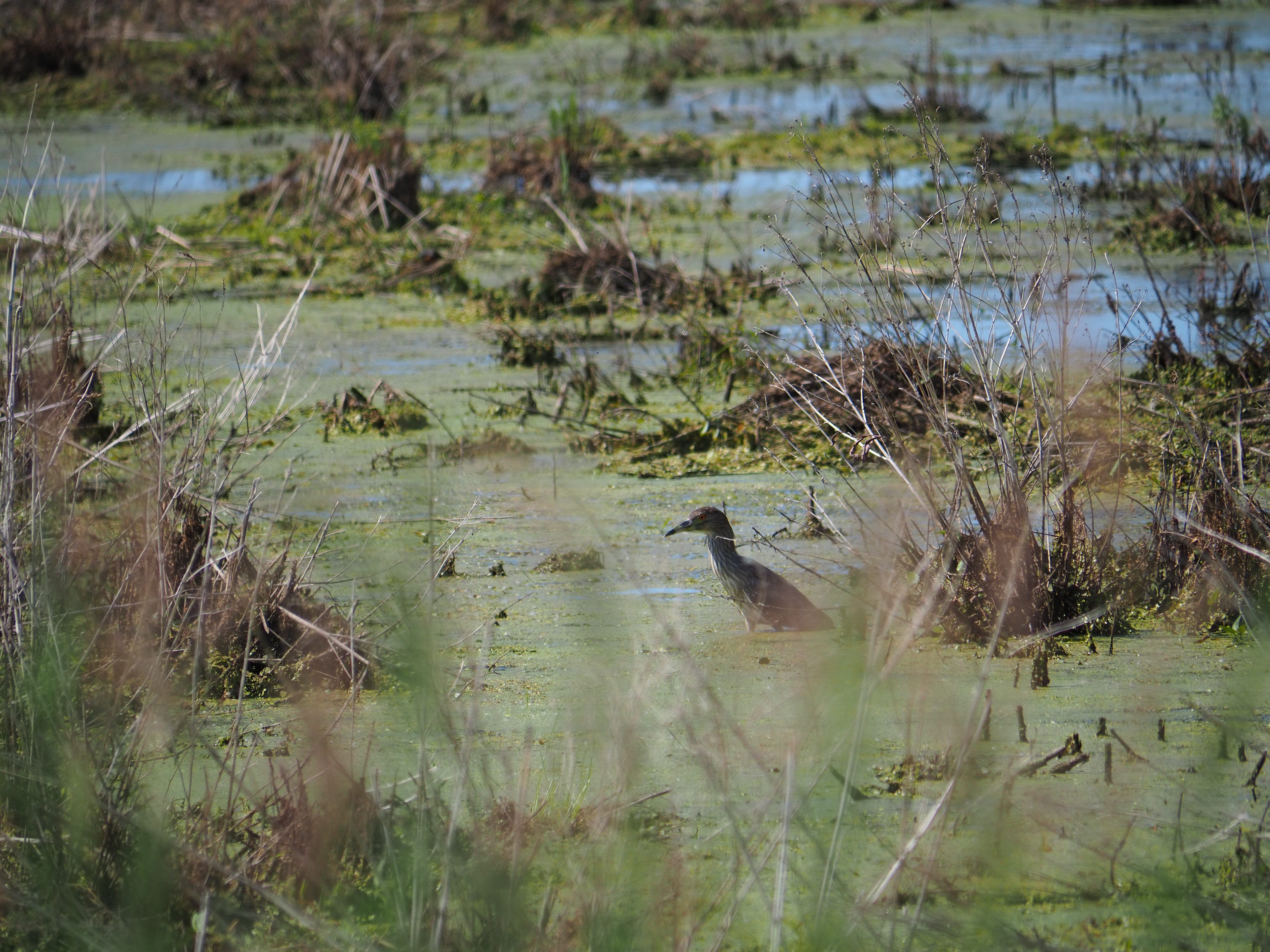
And I did manage to mess up more than a few. 😦
What do you mean, “focus on the eye”???? I could hardly find the chick, much less its eye!
However, with a a deep breath and a longer lens, I did indeed find its eye and all the rest of it, too.
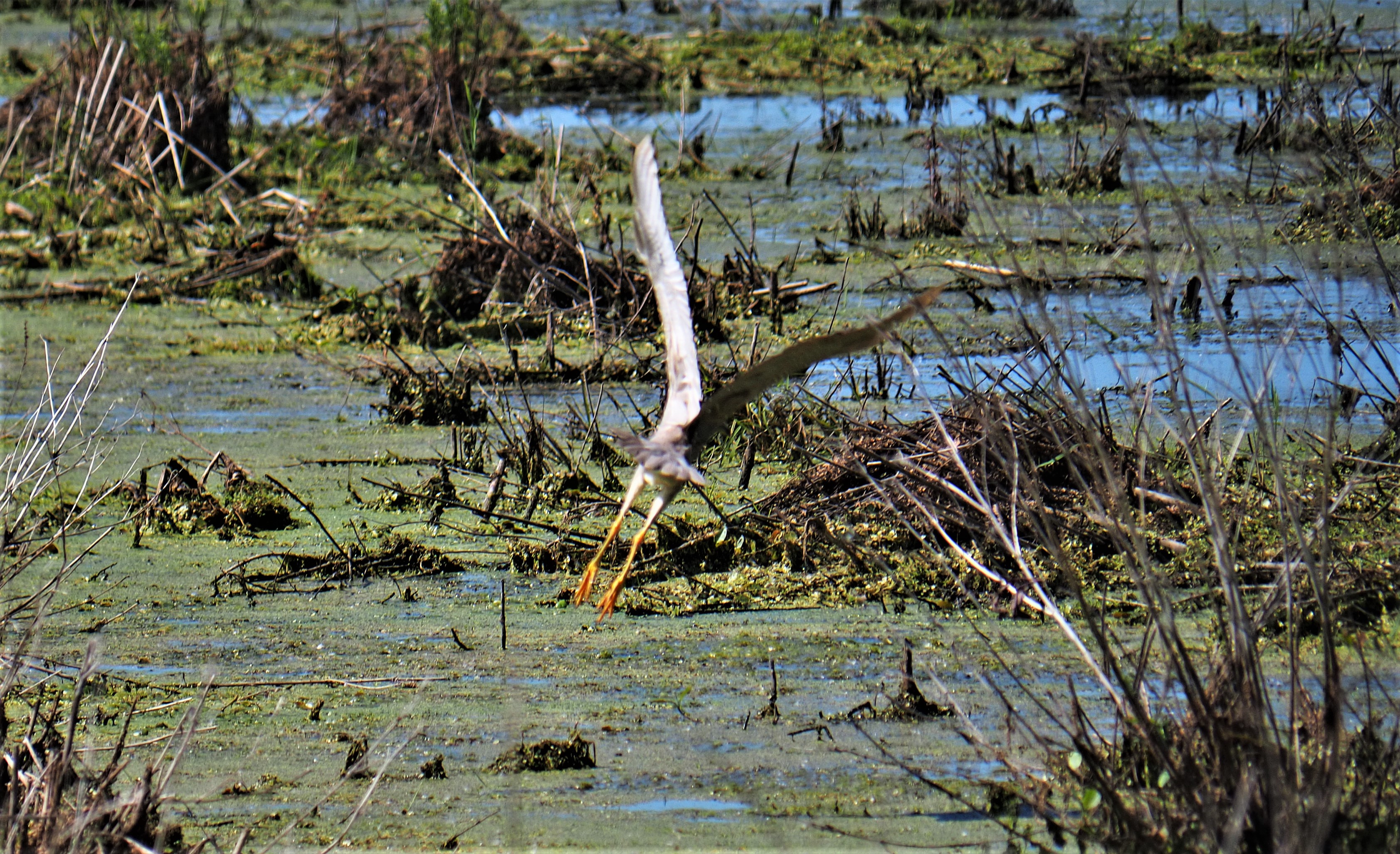
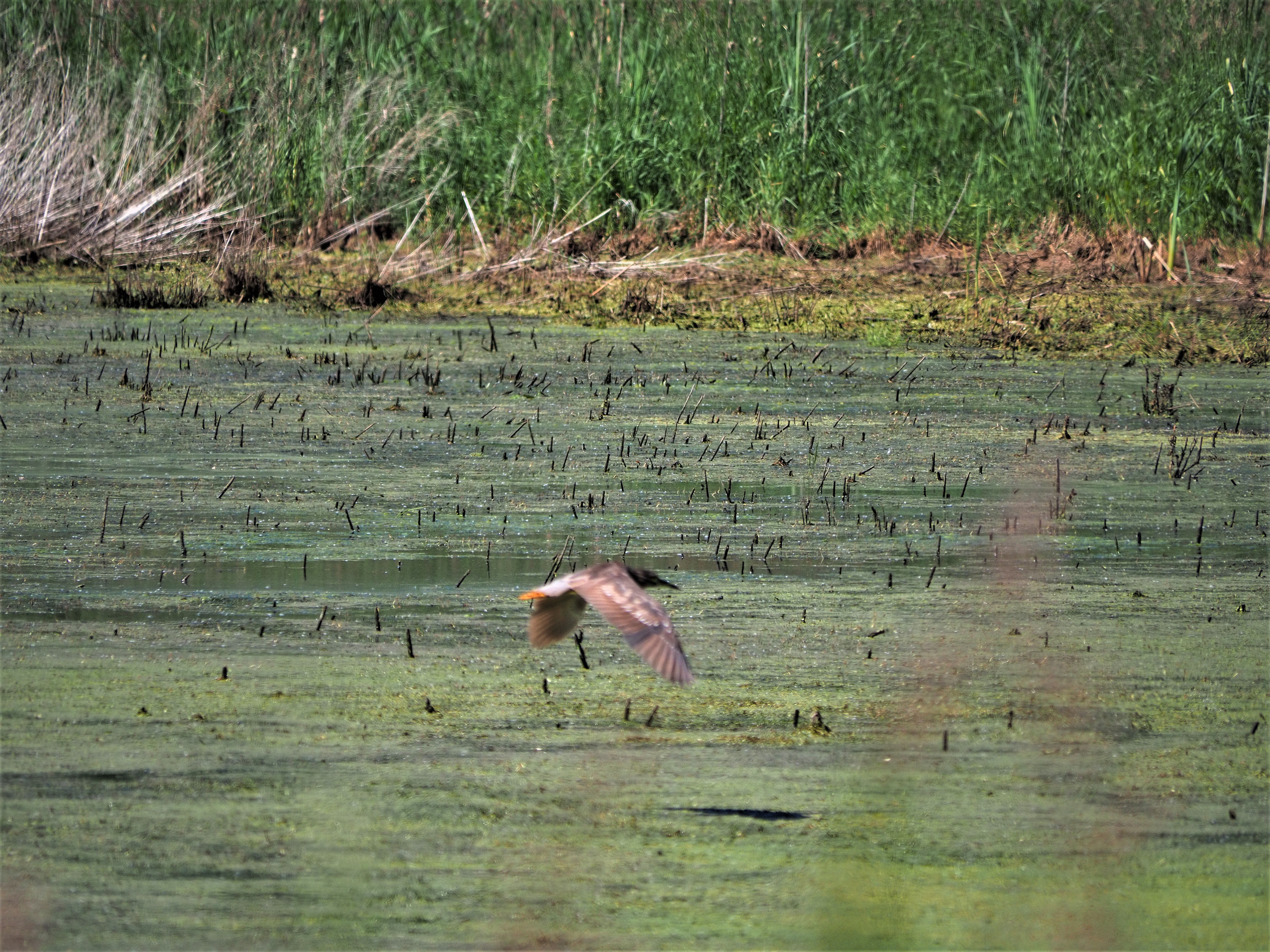
The chick-in-flight is a total loss. I forgot! This camera (Olympus EM10iii) has only contrast-detect AF, and there wasn’t much contrast in the midtones that surrounded this mid-toned bird.
Nonetheless, I did manage to end up with some legible representations of a beautiful bird that is hard to shoot simply because it hides so well.
Here’s just a couple more. . . hard to say good-bye to these lovely birds.
I took these over a two-day period this week:
(published June 10, 2020)
There is not much about Leroy Island that would make it stand out among the several small islands and peninsulas dotting Sodus Bay.
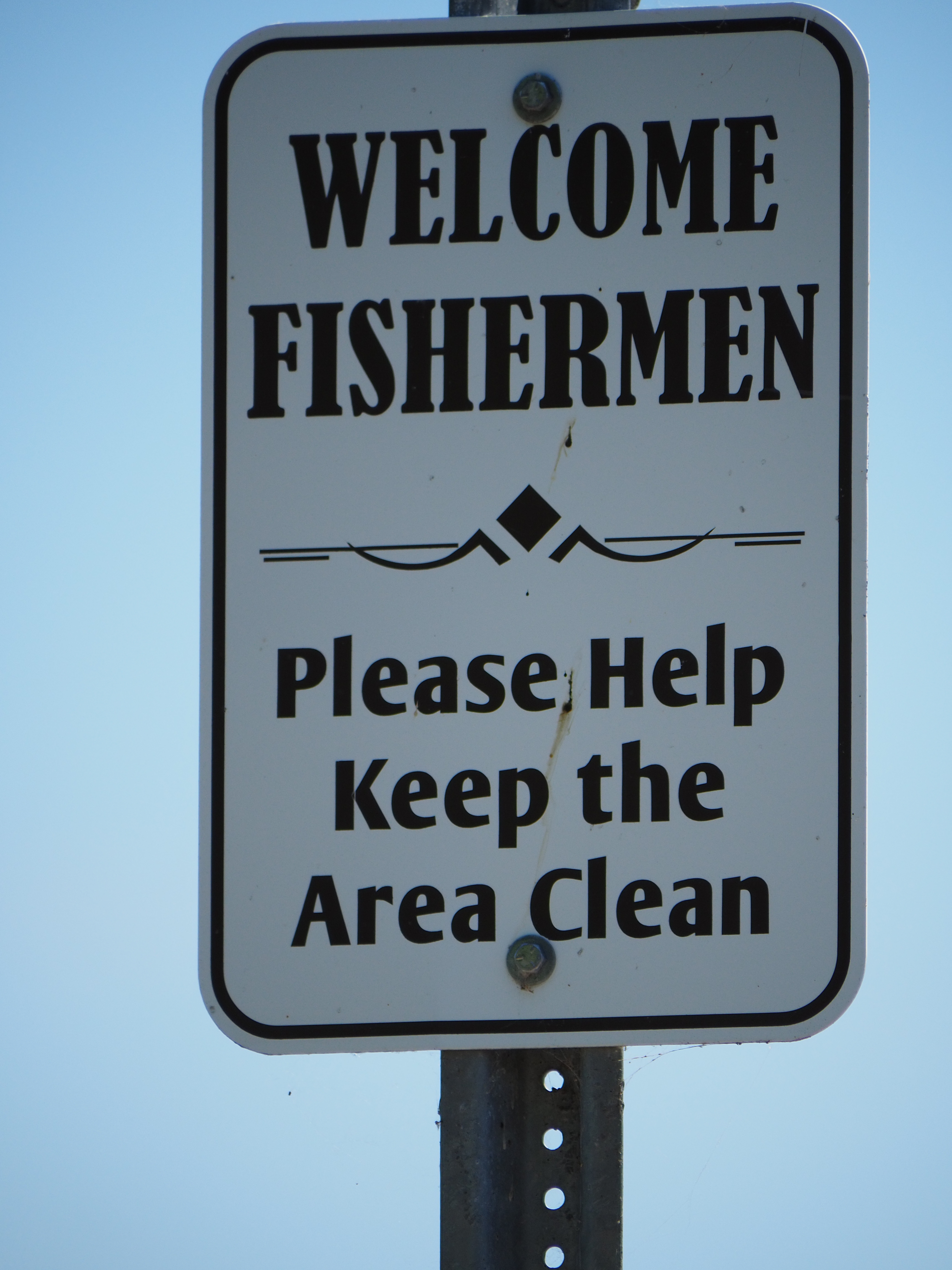
It’s accessible by a pretty-much-one-lane bridge, where there are no signs blaming your GPS for misdirecting you; in fact, there is a sign welcoming you– as long as you are a fisherman who promises to take your trash with you when you leave.
I don’t fish, but I like to visit Leroy Island anyway. I may get quizzical looks as I turn around at the marina, but no one actually makes me leave.
Every season is a good time to visit the island, but I always visit several times during the summer. That is when life — wildlife and plant life — is at its very best.
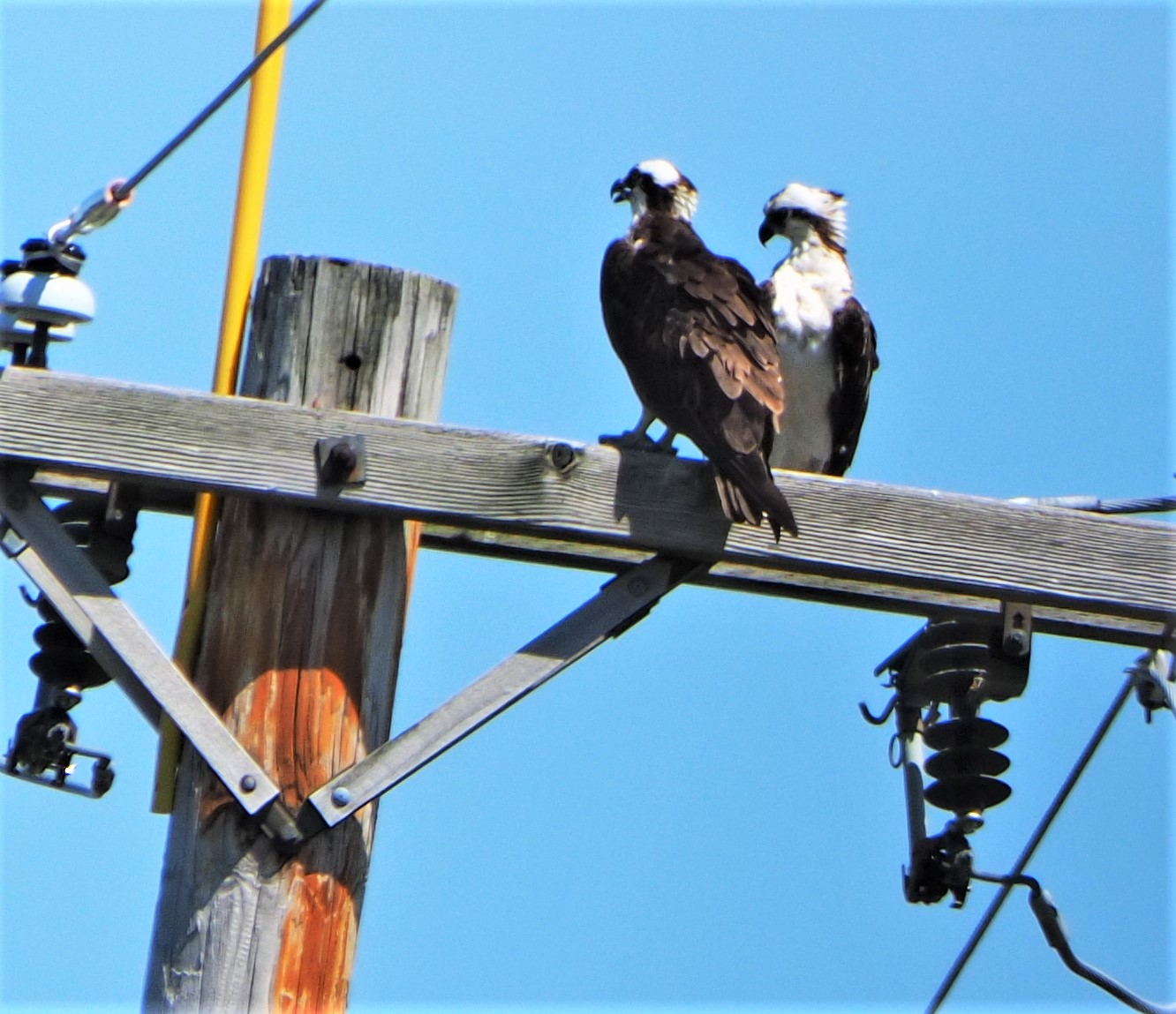
Even before I got to the bridge I knew it was going to be a good day. When I turned off Rt 104 to head north, I encountered an osprey nest way up on a utility pole, with Ma and Pa Osprey perched on another one nearby. Maybe they just had to get out of the house for a while, or maybe they had some grown-up talk to do out of earshot of the young ‘uns.
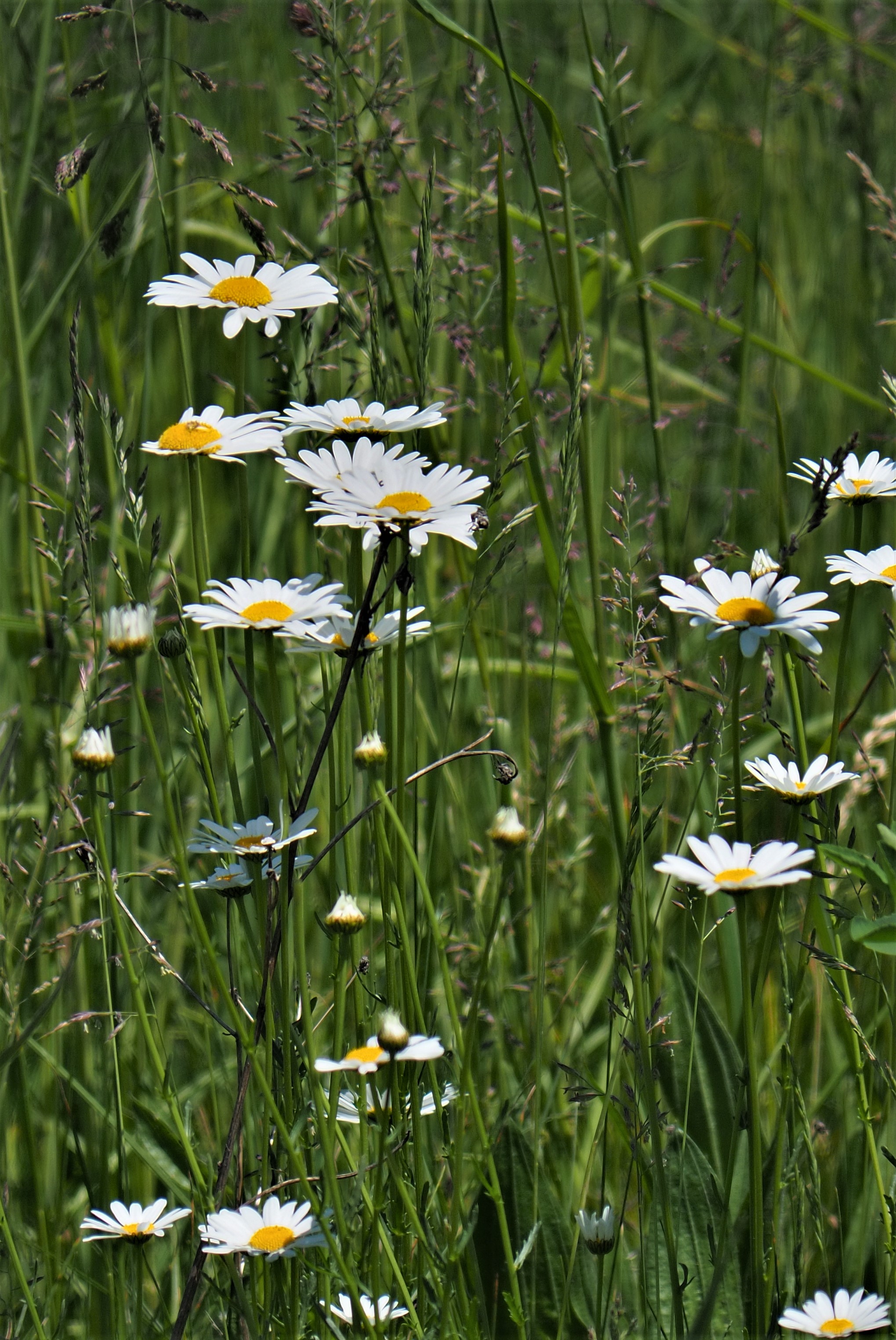
Weeds or wildflowers? I suppose that depends on your point of view, or maybe on what mood you are in.
I don’t know how you will answer that question, but today, for me, I saw wildflowers. . .and not a single weed.
I’d like to call these wild daisies, but I am pretty sure the taxonomists prefer to call them Chrysanthemum lencanthemum — much easier just to call them wild. I like the idea of these pretty flowers, which grow quietly along the roadside, being “wild.” 😉
Buttercups. Now, these are reallyreallyREALLY wild! If you eat them, they can kill you. . . or at least make you very sick.
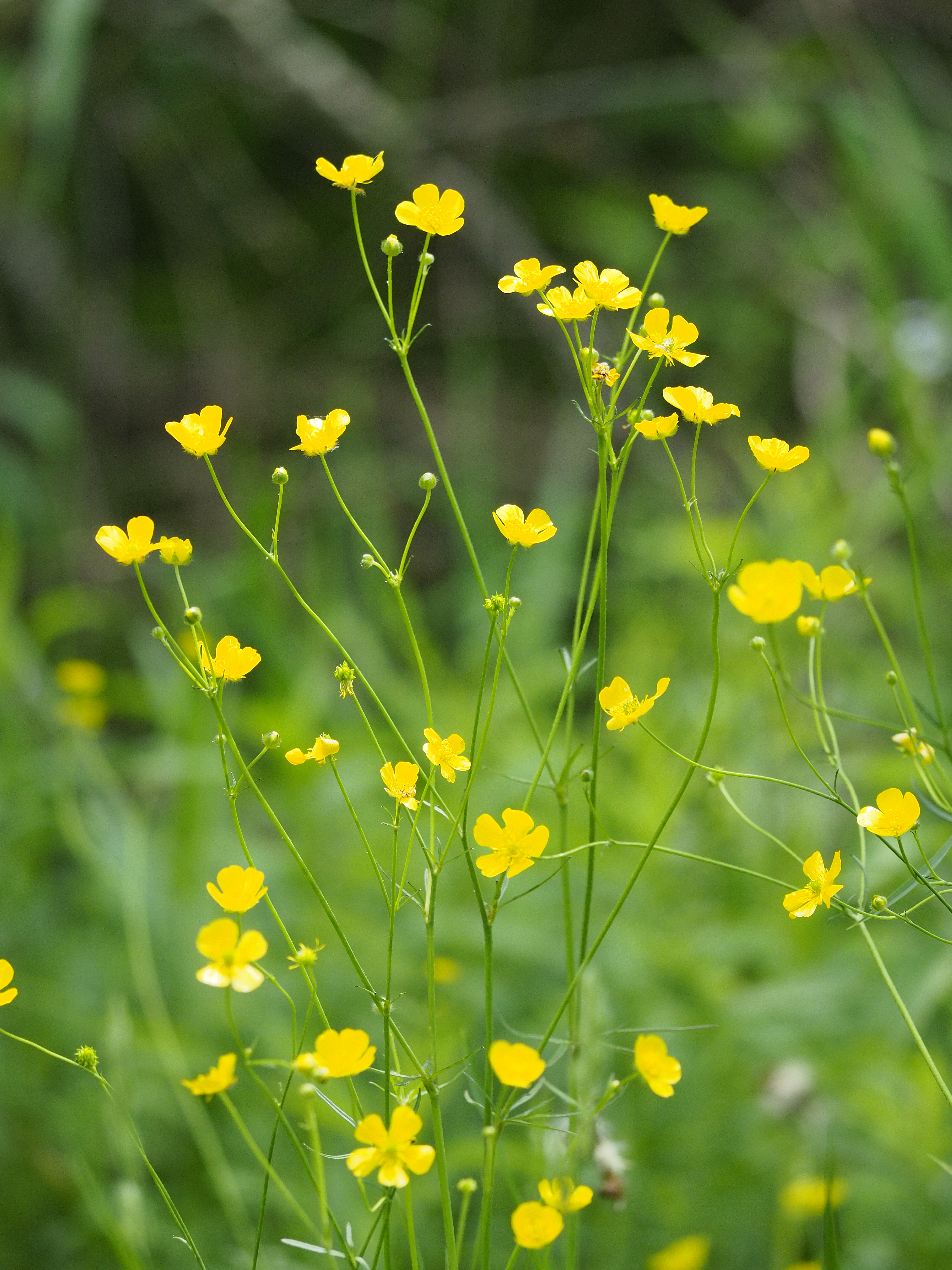
Don’t let your cows eat them, either! They could get just as sick or even die!
I remember when as children we would hold a buttercup under our chins — if the reflection was yellow, then you liked butter! I don’t think we ever found anyone who didn’t like butter when given that test.
Buttercups are just about as good as daisies for making a chain. There was just enough time during recess, if you ate your lunch real quick, to make a daisy-buttercup chain that you could wear on your head as a crown. What 10-year-old girl wouldn’t like that!
I don’t think kids do that these days. . .do they? They might be too busy tik-tokking or whatever it is they do on their cellphones.
Anyway,
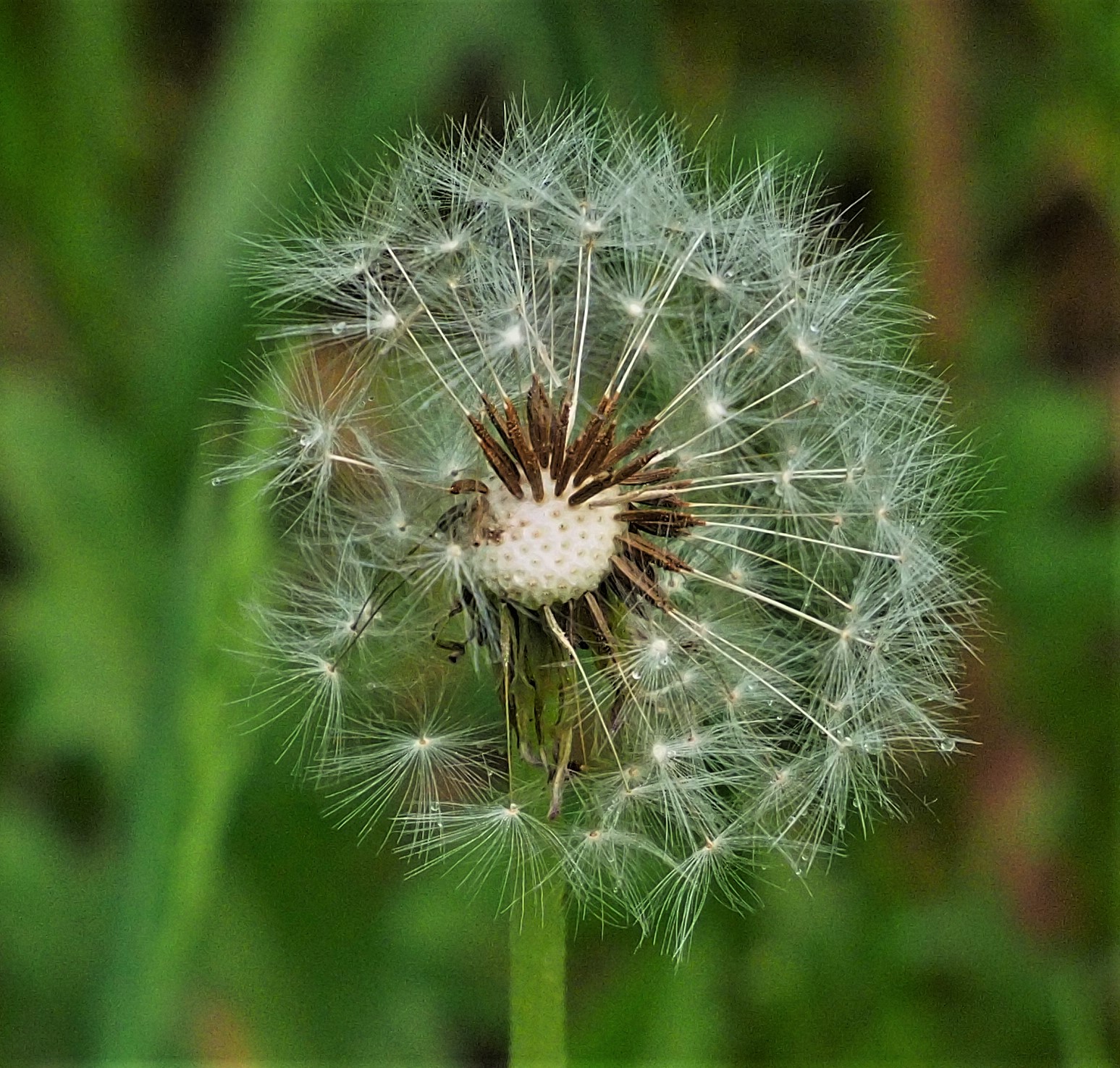
Of course, I saw lots of dandelions, mostly in the seed stage. And now it’s the right time of year, if you are 10 years old, to make a wish! Close your eyes, make your wish (don’t tell anyone what it is or it will never come true. . .), and gently blow all the seeds from your dandelion stem.
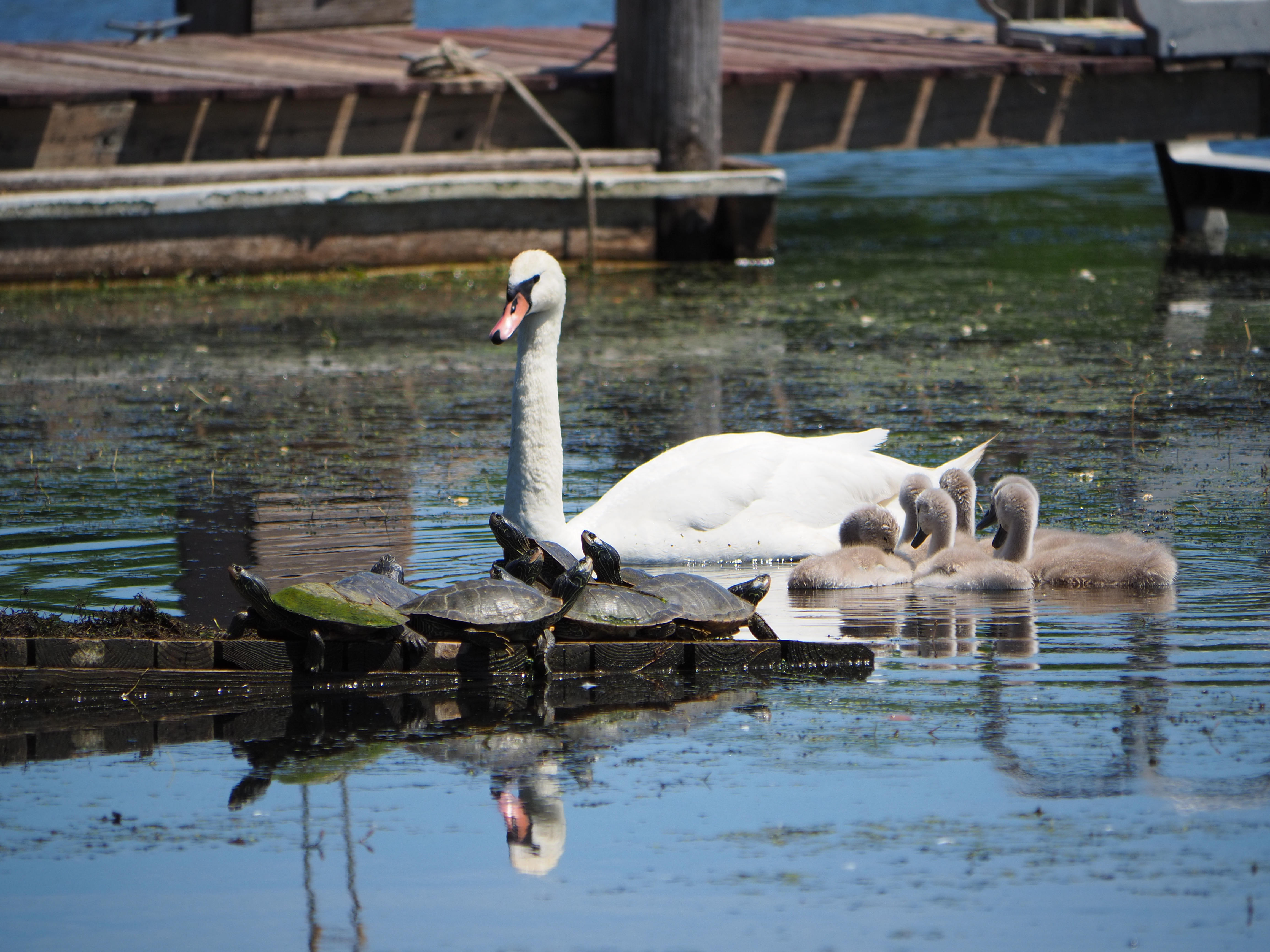
Enough of the flowers. I also saw lots of wildlife. The kind with feathers, wings, feet, and heads and some with shells on their backs.
Turtles, even the relatively harmless painted ones, are known to be carnivorous at times, so I was surprised at this young swan family resting alongside a pile of them. I guess the cygnets are too big to become lunch at this stage of the game and besides, Ma and Pa were keeping a close eye on the turtles and the little ones.
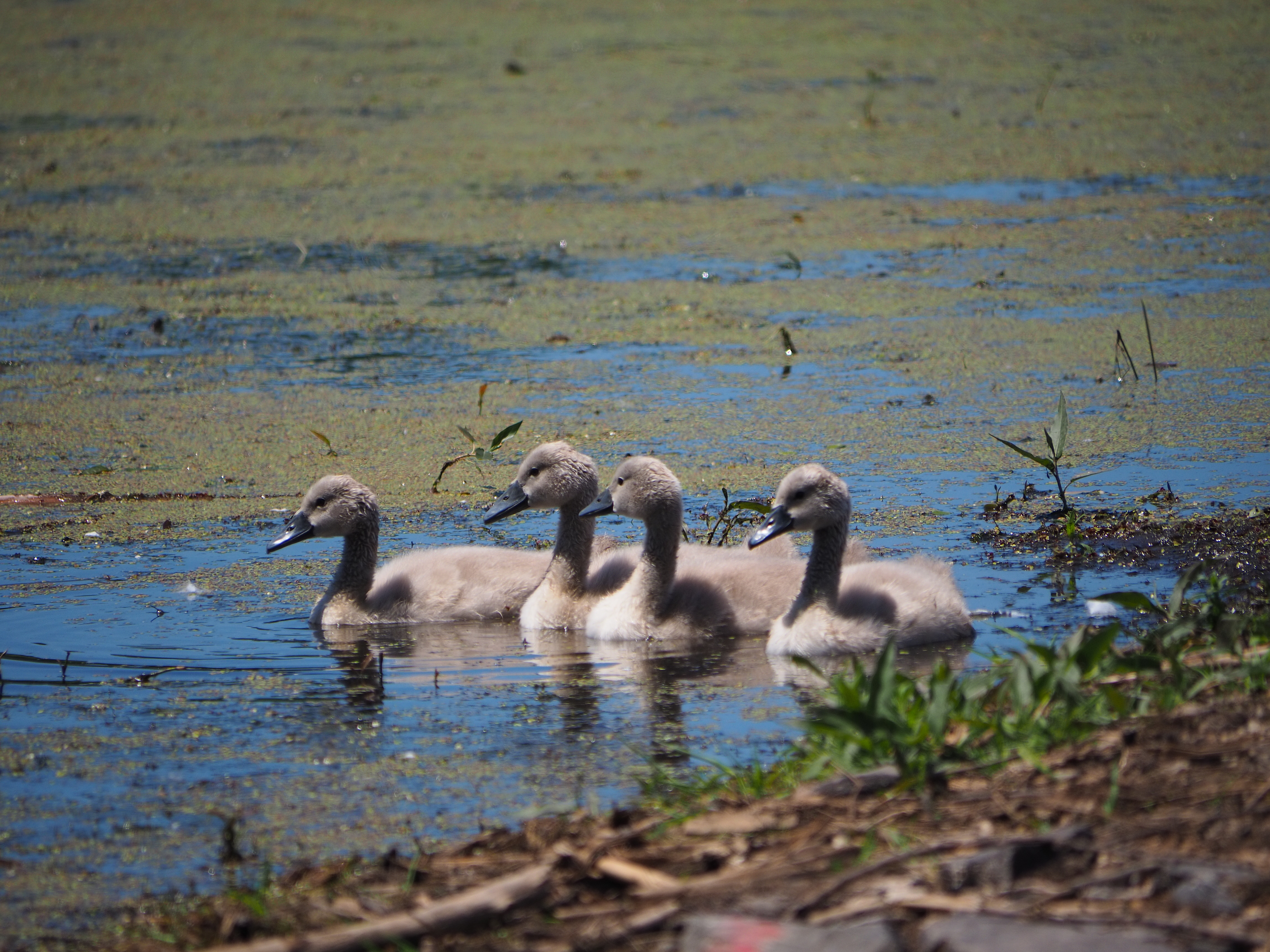
These little ones don’t even have their wings yet, just tiny little “wing-ettes” that flap around when they walk. And they really don’t walk all that much, most of the time I saw them they were either resting or were in the water.
Mute swans are an introduced species not native to the United States. They are far from mute — get too close to a cygnet and they will hiss up a storm! Now that I think on it, mute swans are nasty creatures, especially to trumpeter and tundra swans. I once saw a single mute swan chase a pair of trumpeters clear out of the water. They weren’t trespassing near a nest, they were just swimming nearby, so I guess the mute did it just because he could. So he did.
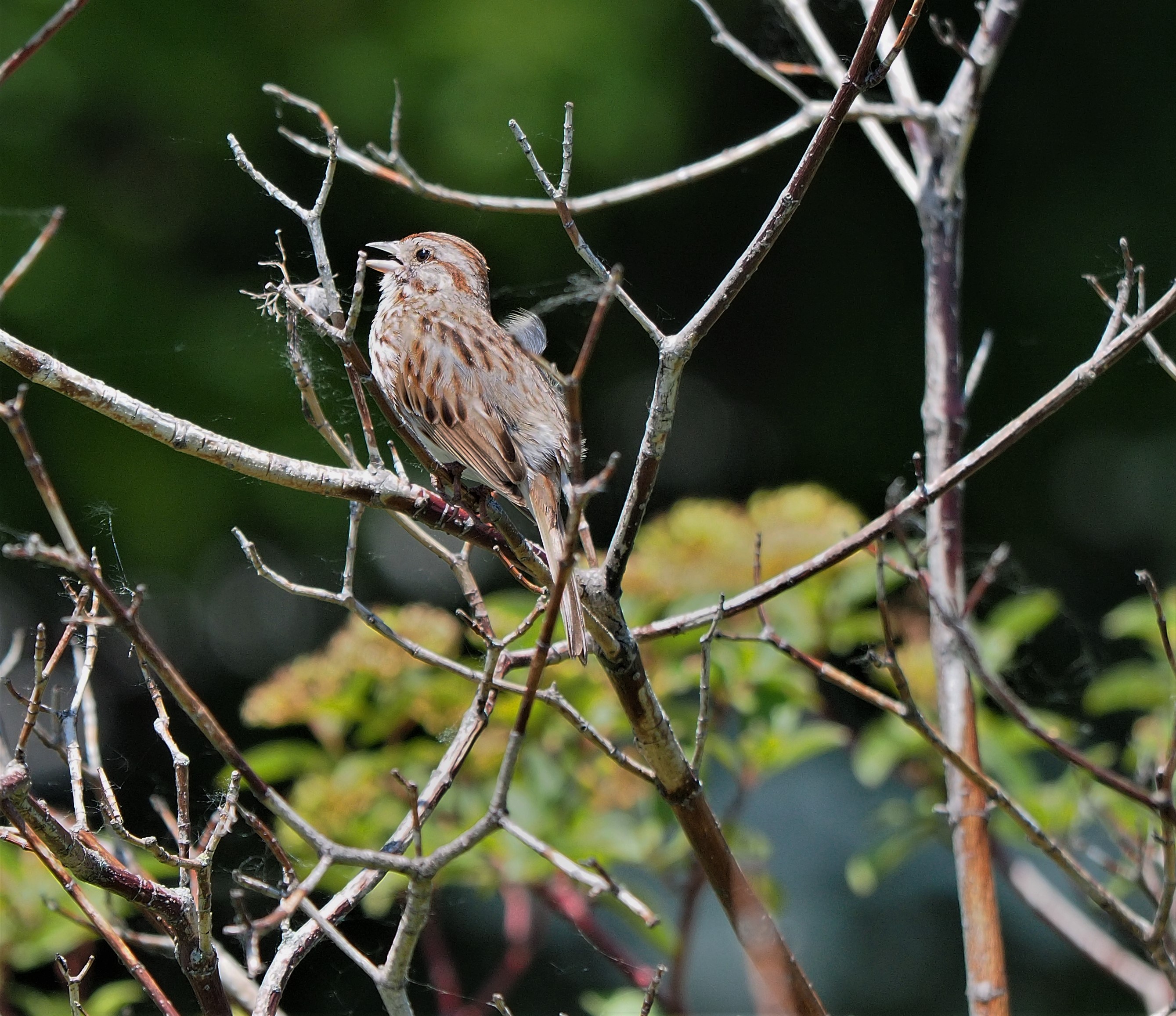
Song sparrows are just about everywhere! This one allowed me to get unusually close before he decided to flee.
Song sparrows are pretty loud for being so tiny. But their song is pretty, and they aren’t as skittish as, say, kingfishers, so I generally have time to check my settings and get a decent shot.
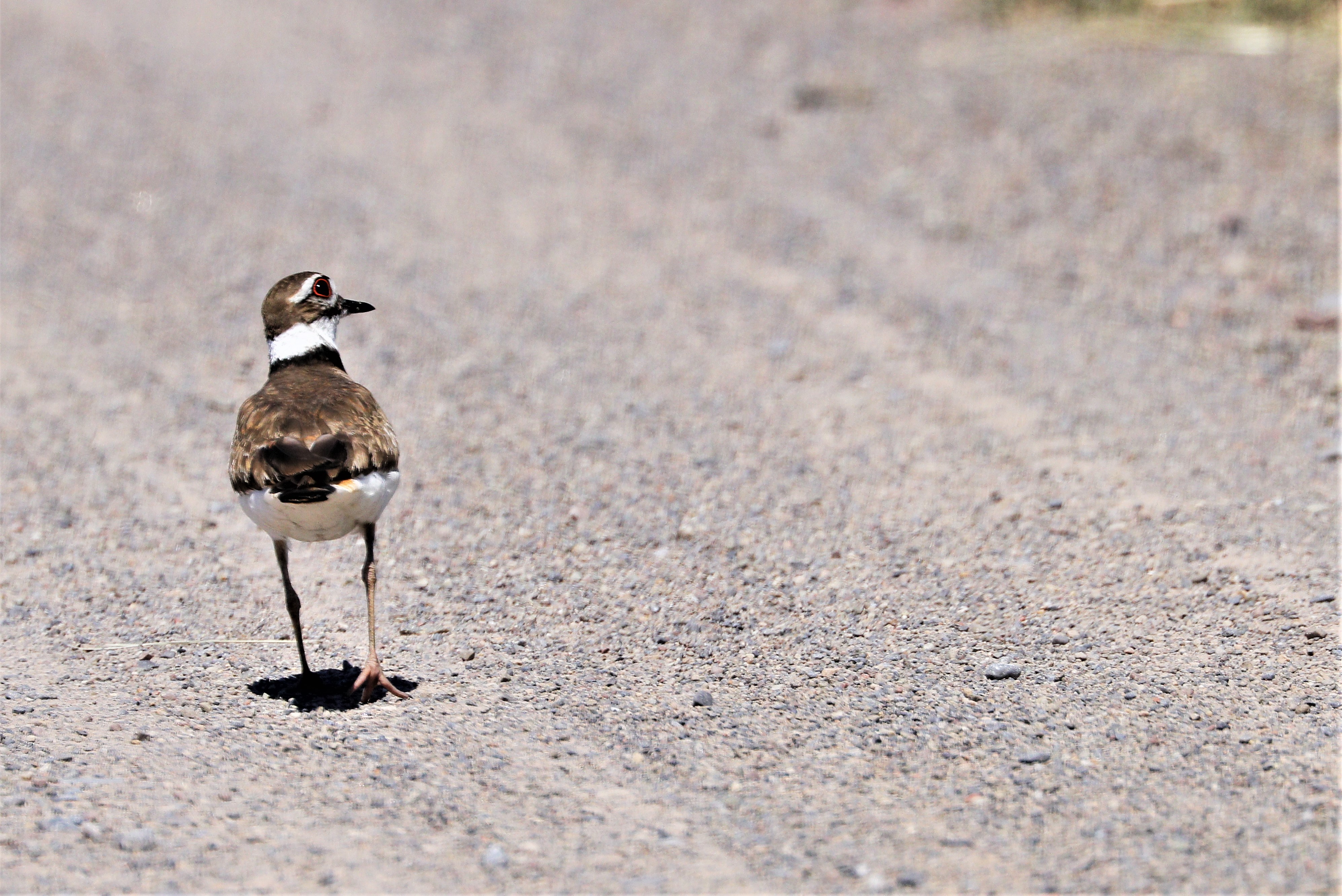
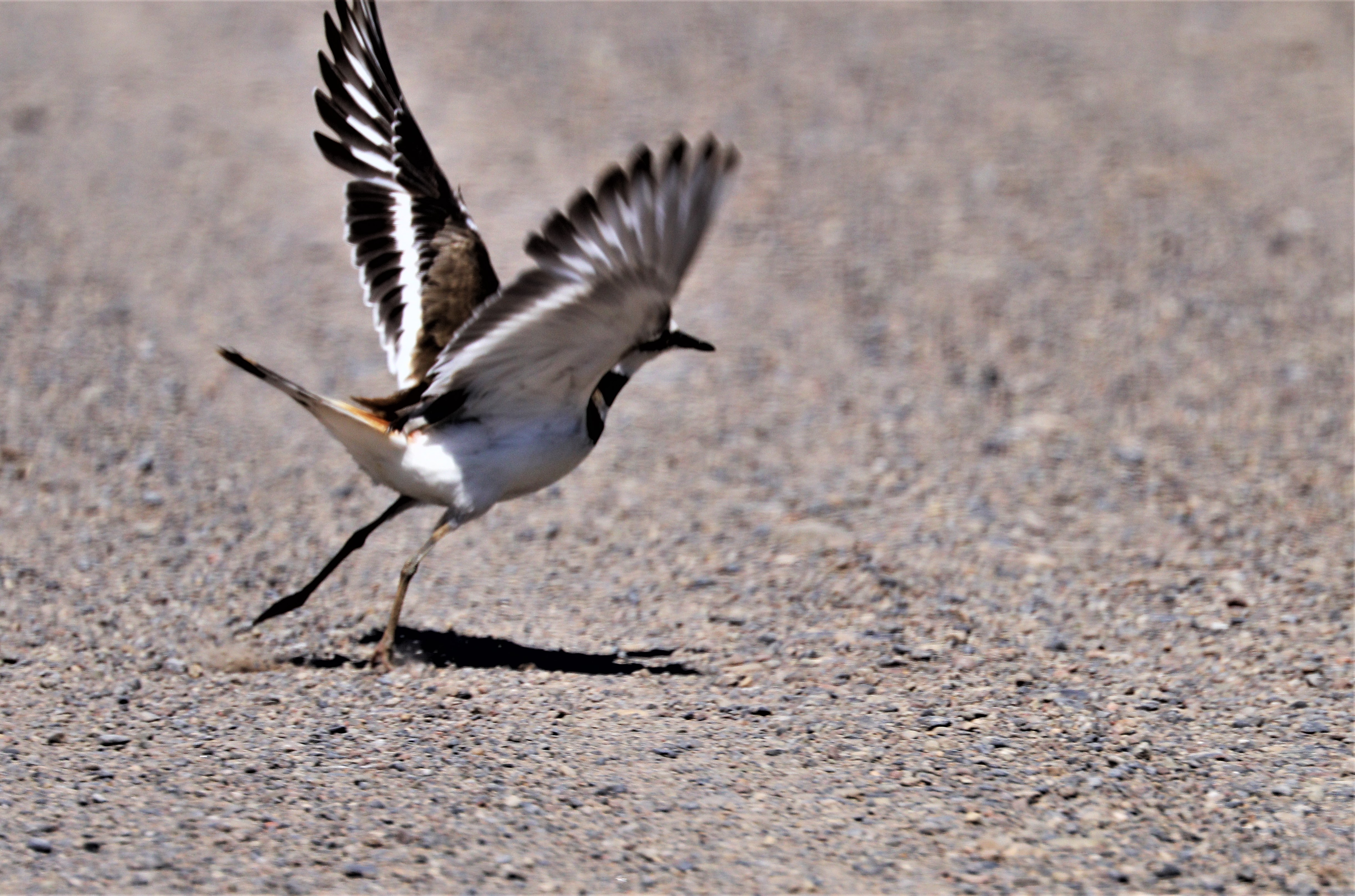
I smiled when I saw this killdeer. When I first got a camera three summers ago, I took a ride out here to Leroy Island and photographed, among other things, a killdeer. I had no clue what it was until Google told me.
I’m glad this photo came out okay. . .at least it’s better than that first one was!
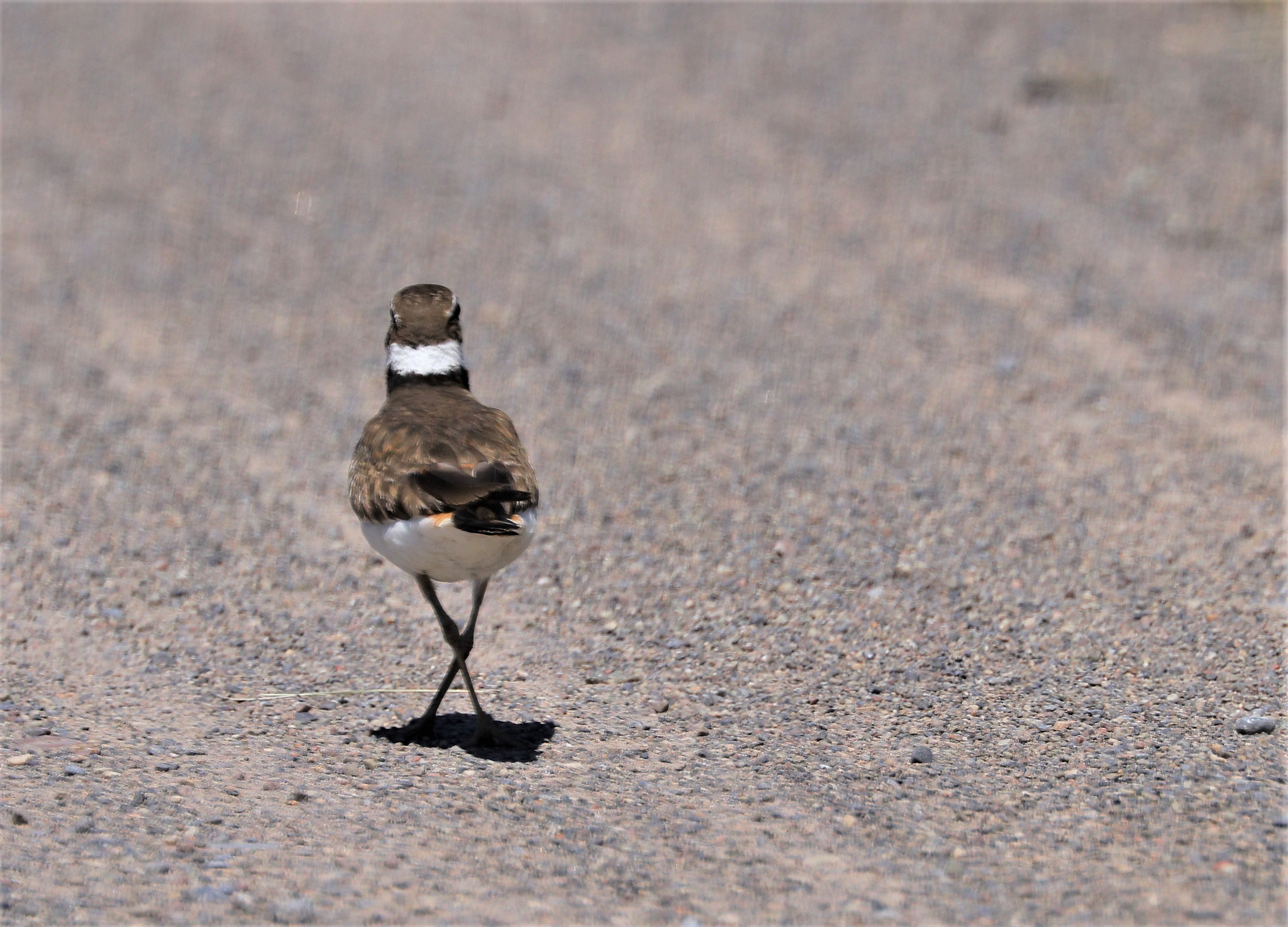
Oh, and I think it’s a female killdeer. Why? Because she obviously has to pee! REAL bad!
There are many, many great blue herons in western New York — too numerous to count, I think. You really can’t visit any marshy area without seeing at least one. And where there’s one, there are others hiding nearby, probably in the thick marsh grasses.
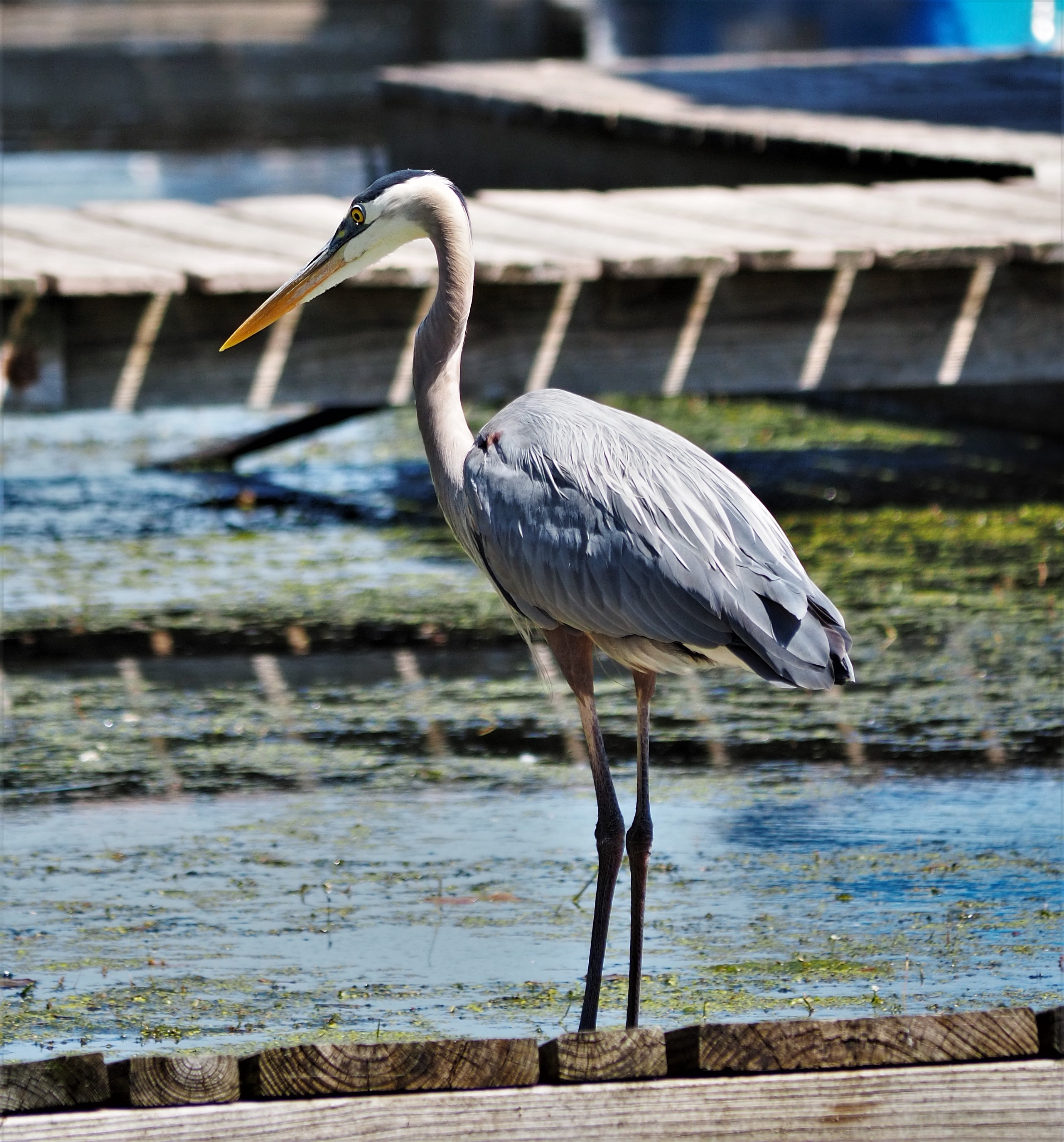
Well, I did find who one who was pleased to stick around long enough to pose, and then he was off. There is a wooded area as you go around the back of the point and up the hill , and I am sure there is a rookery there. That’s where I see most of the herons coming from and heading to when I come up here.
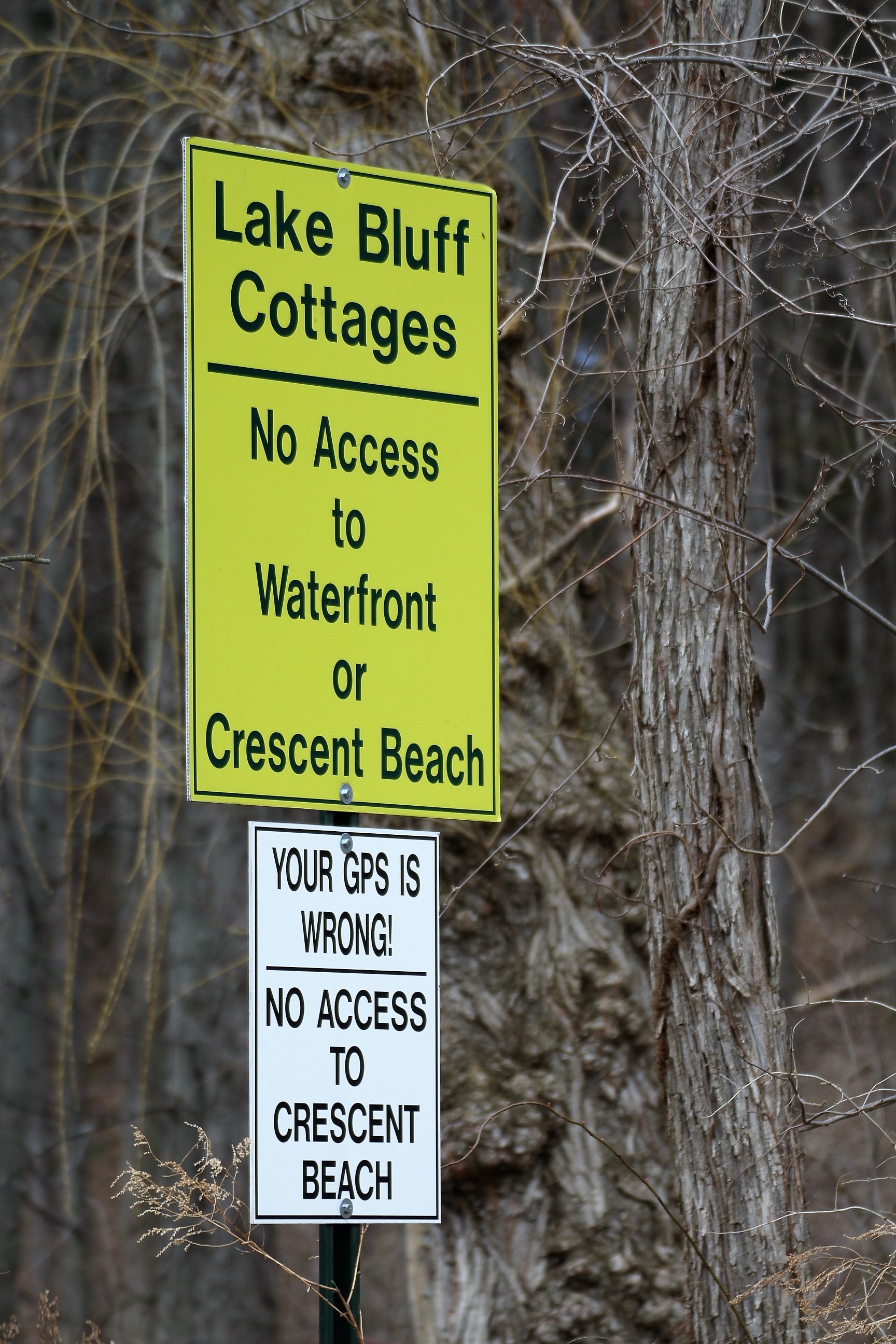
The road that goes through the woods isn’t heavily settled (unless you’re a heron), but the few people who do live up there are sick and tired of people looking for Crescent Beach. Because the road narrows before it dead-ends near the water, which requires that you turn around in someone’s driveway (unless you want to back out of a curvy, one-lane dirt road for about a mile or mile-and-a-half).
There are a couple of nice places that serve food and libations here (once the CoVid-19 virus scare dissipates), and there is a brand-new brewery here, too. These places are right on the bay, so you can either park your car or dock your boat. I am waiting for Phase 3 so I can visit some of these places!

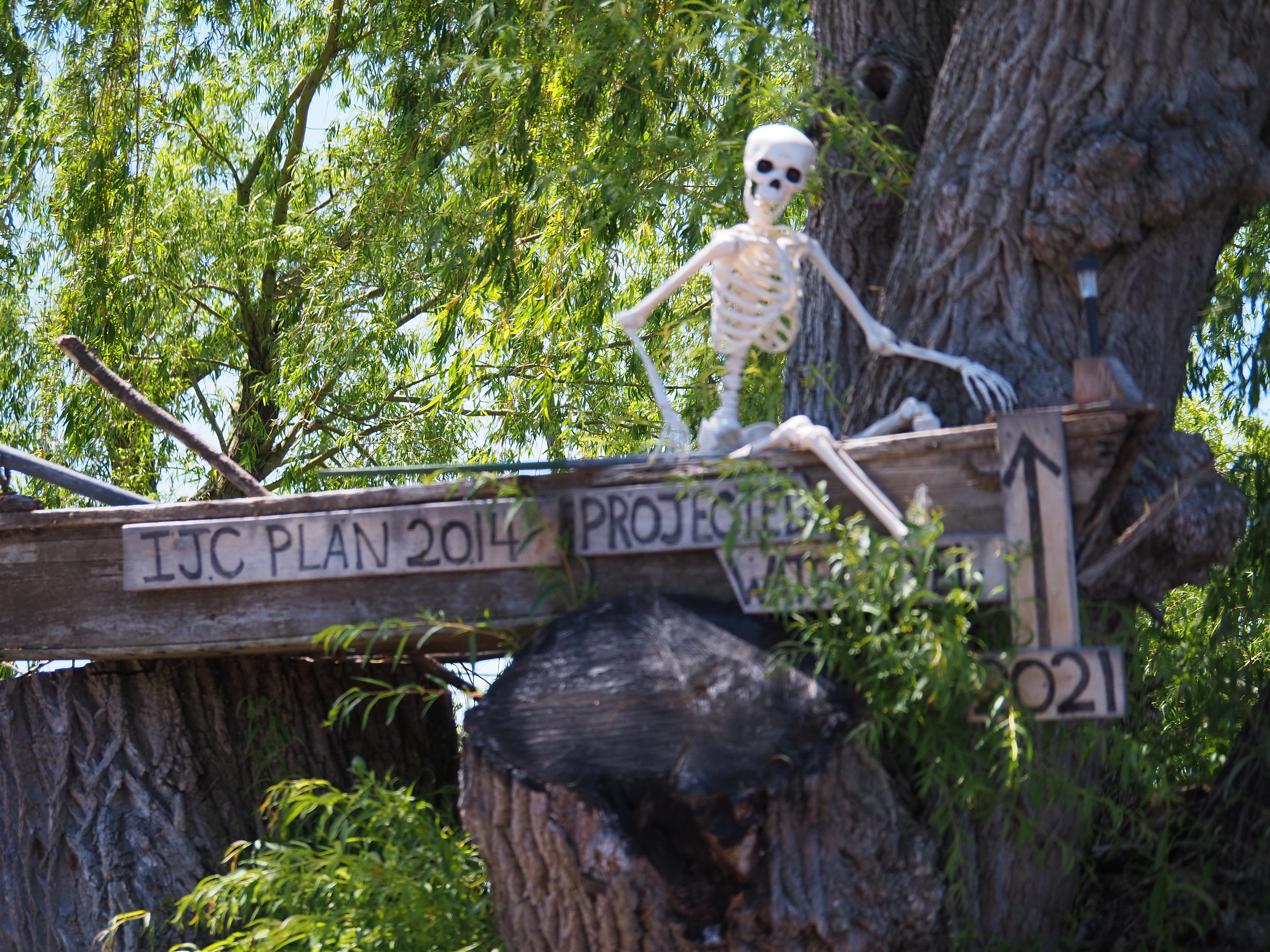
Like most lakeside property owners, nobody here is pleased with the International Joint Commission’s plan 2014 meant to regulate the water levels in the St. Lawrence Seaway. It’s had a negative (and expensive!) impact on Lake Ontario water levels.
All photos were taken with an Olympus OM-D EM10iii and the Panasonic O.I.S. 100-300. All photos are straight from the camera with post processing limited to cropping (where necessary). Maybe some of the photos could use a little tweaking, but I like them just the way I saw them. I am so pleased with this little camera!
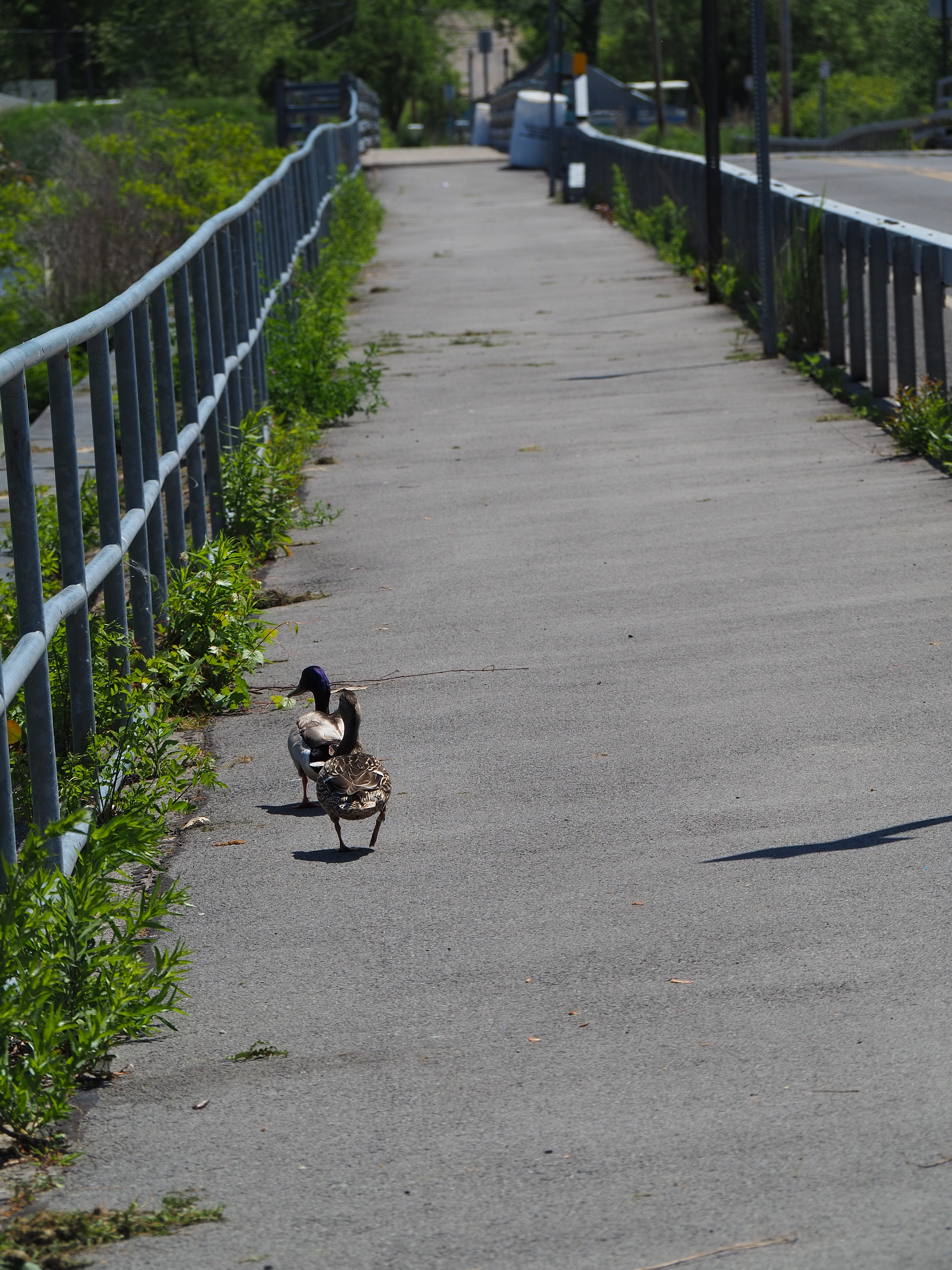
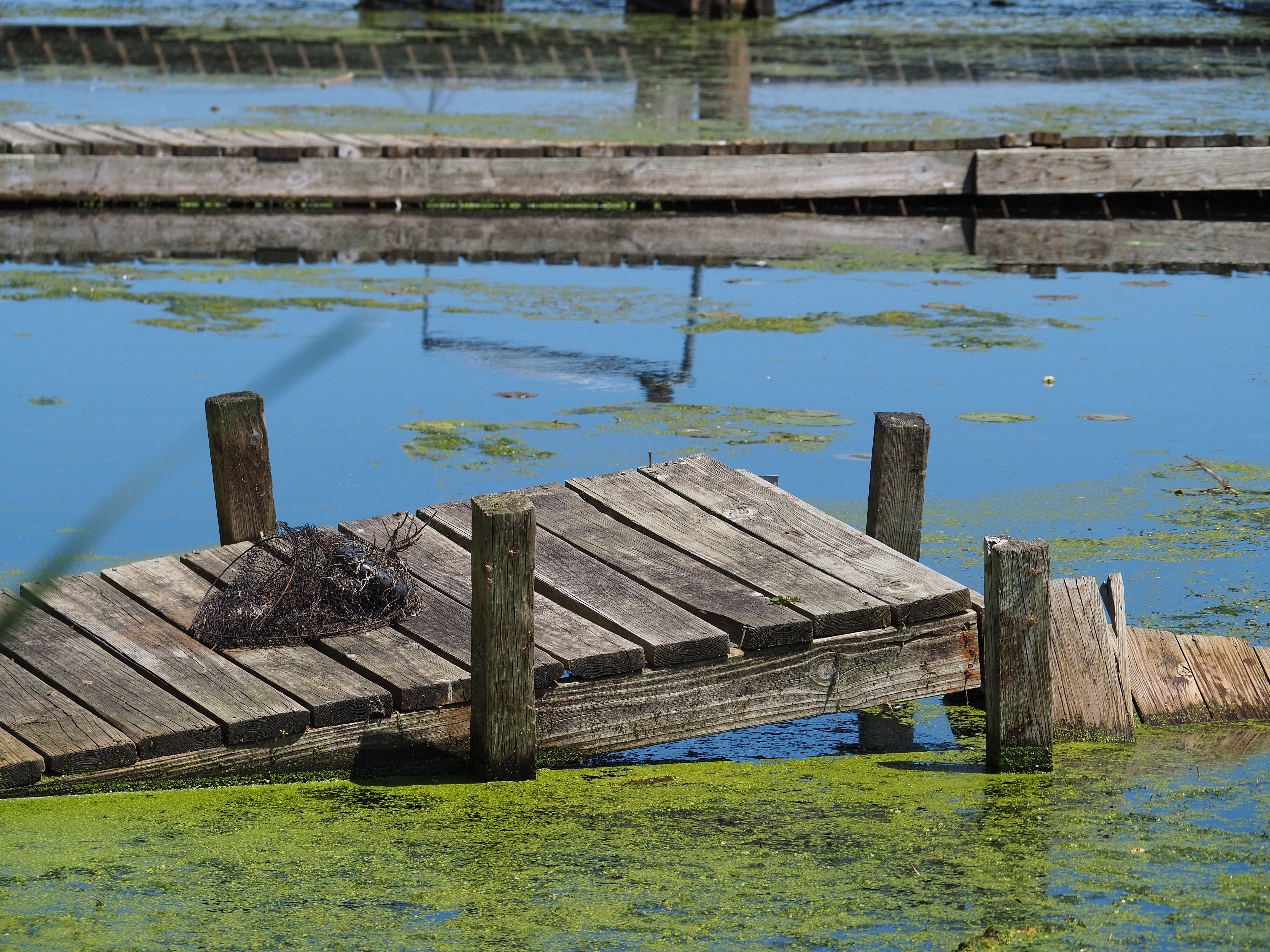
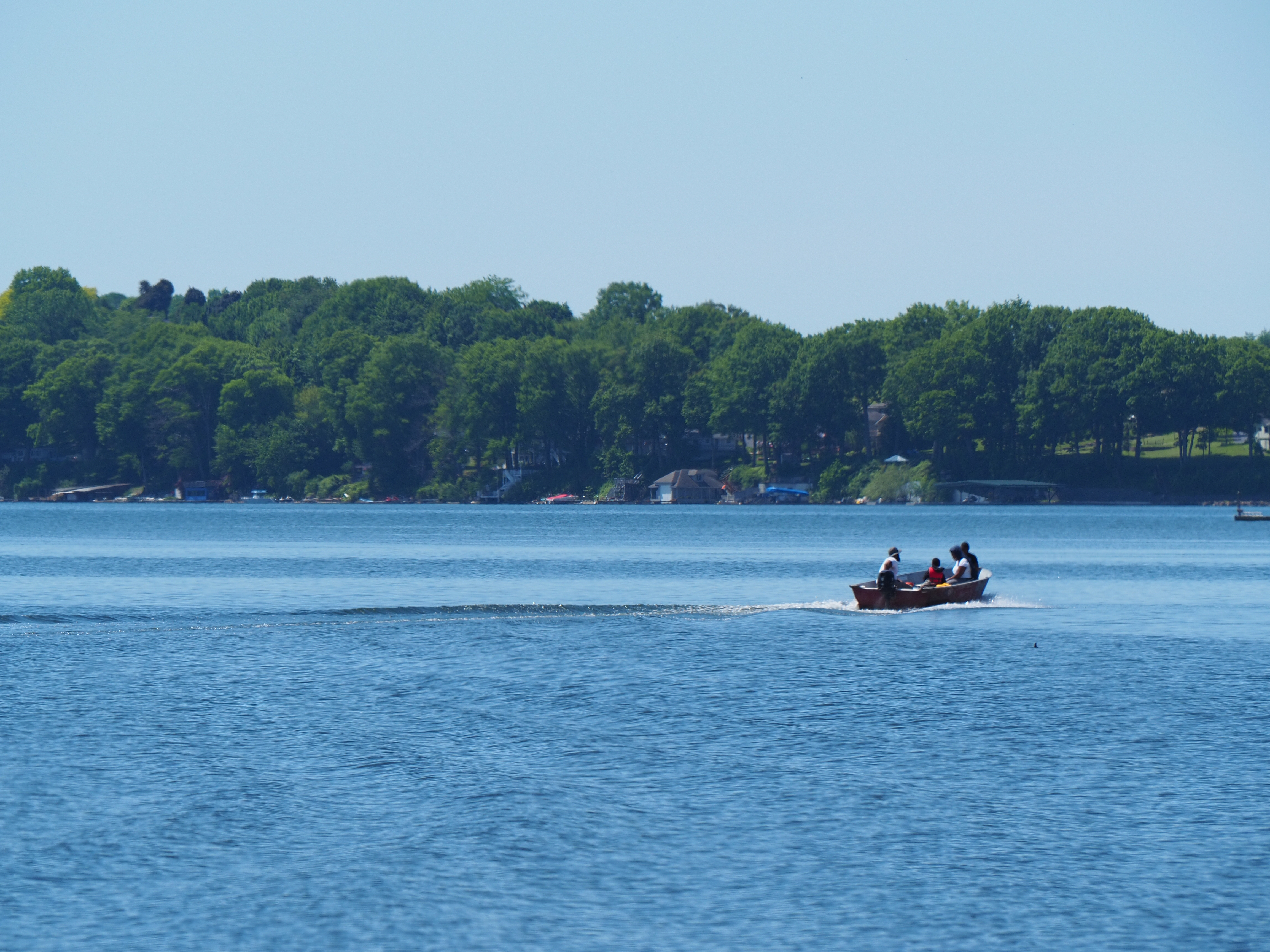
A few more from today’s Leroy Island experience:
(published June 9, 2020)
“I’m a big boy now!” says Son #1.
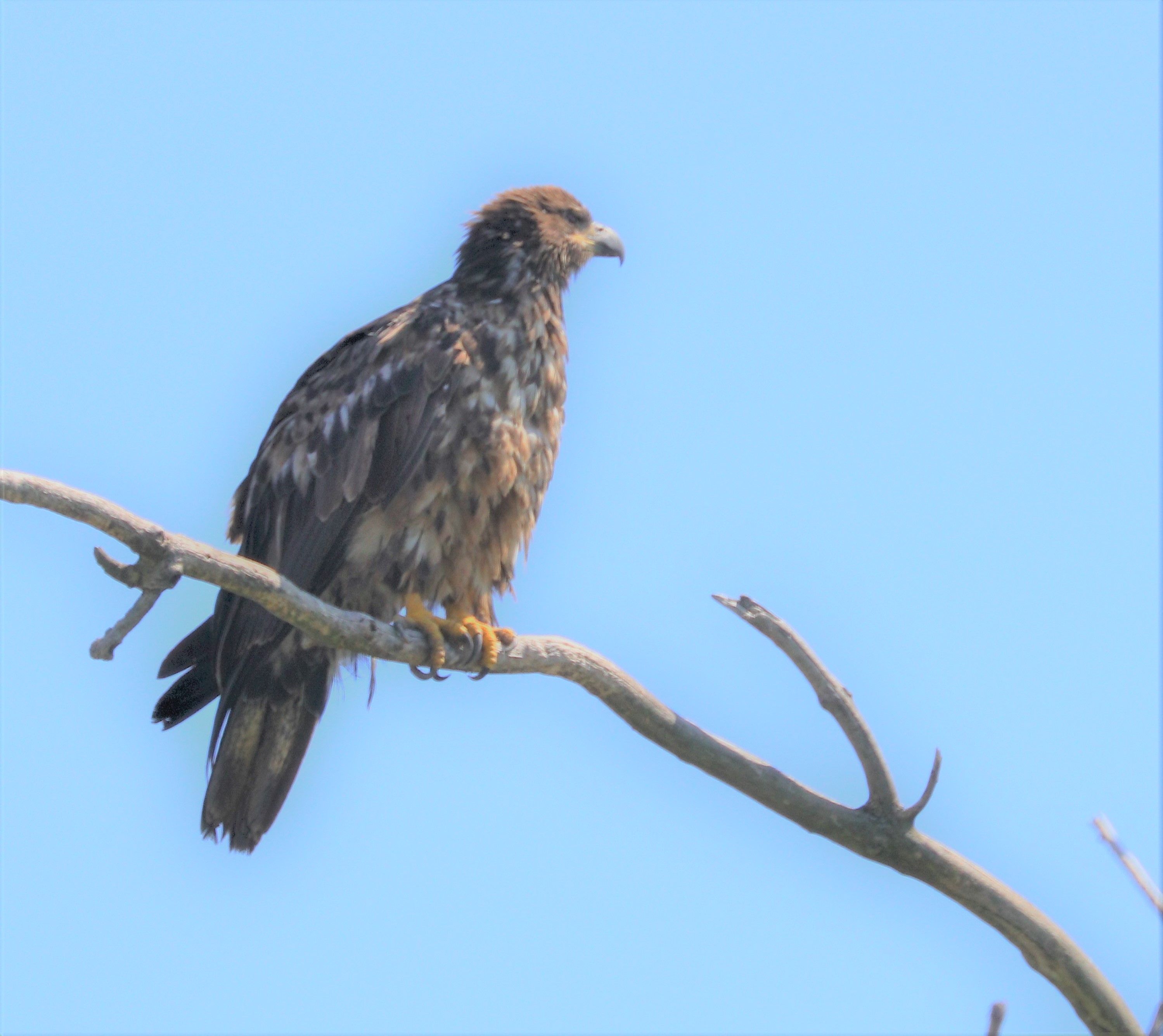
Meanwhile, back at the nest, Son #2 gets some wise advice from Mom. He will likely join his brother in the brand-new world of fledglings in a few days or maybe a week or two.
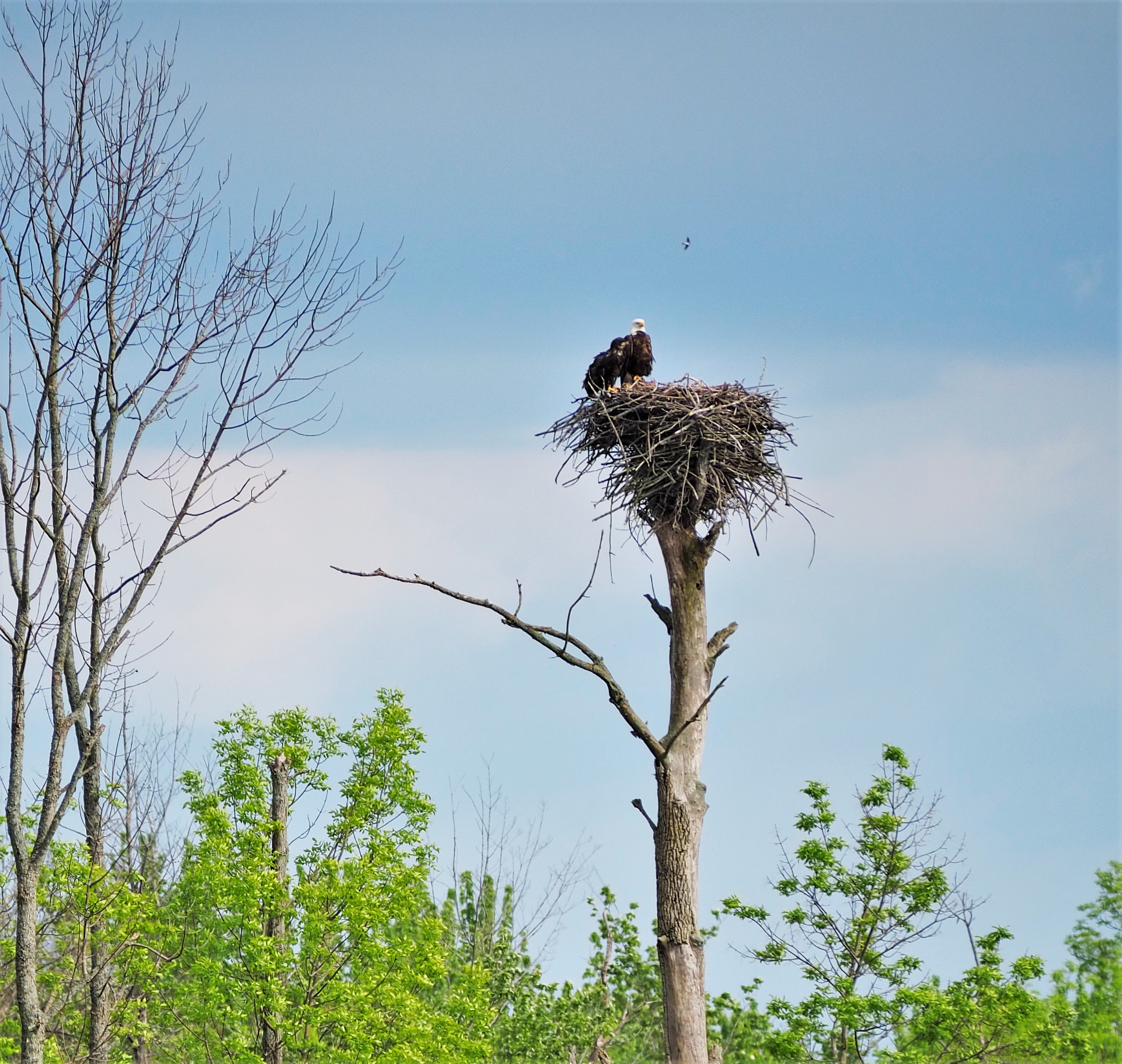
Eagles take about 10-12 weeks to grow from nestling to fledgling, but it will take a lot longer (5 years!) before they attain their adult plumage. That’s 5 years of watching them fight, fly, and fish — should be fun!
(published June 5, 2020)
Having an affinity for nature photography, Diet Coke, and a bargain, I am a frequent visitor at McDonald’s golden arches. I can’t help but notice what surrounds most of their restaurants, it’s pretty nice. So, I make it a habit to bring a camera with me while I wait at the drive-thru for a large Diet Coke/light ice — a real bargain at $1.00 (plus 8 cents for to support whatever programs Governor Cuomo has in mind for downstate).
It’s worth the $1.08, though, because what I find on my McStops are some really beautiful flowers and plants. . .OK, so maybe these particular ones are a bit past their prime, and the photo isn’t very good, either (but the bokeh isn’t so bad for a 4/3 bridge!).
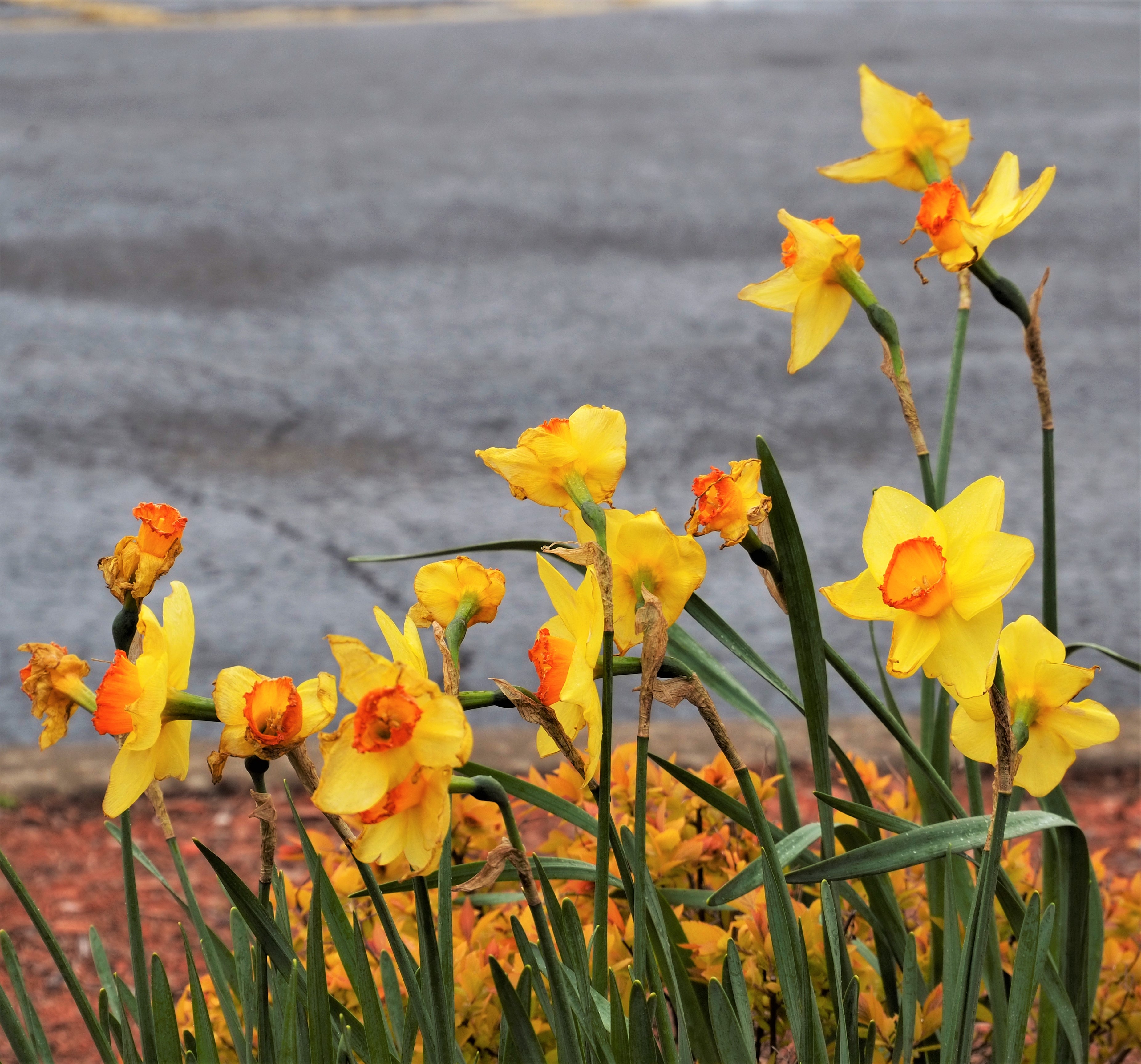
Besides, look what they had to put up with over the past few days!
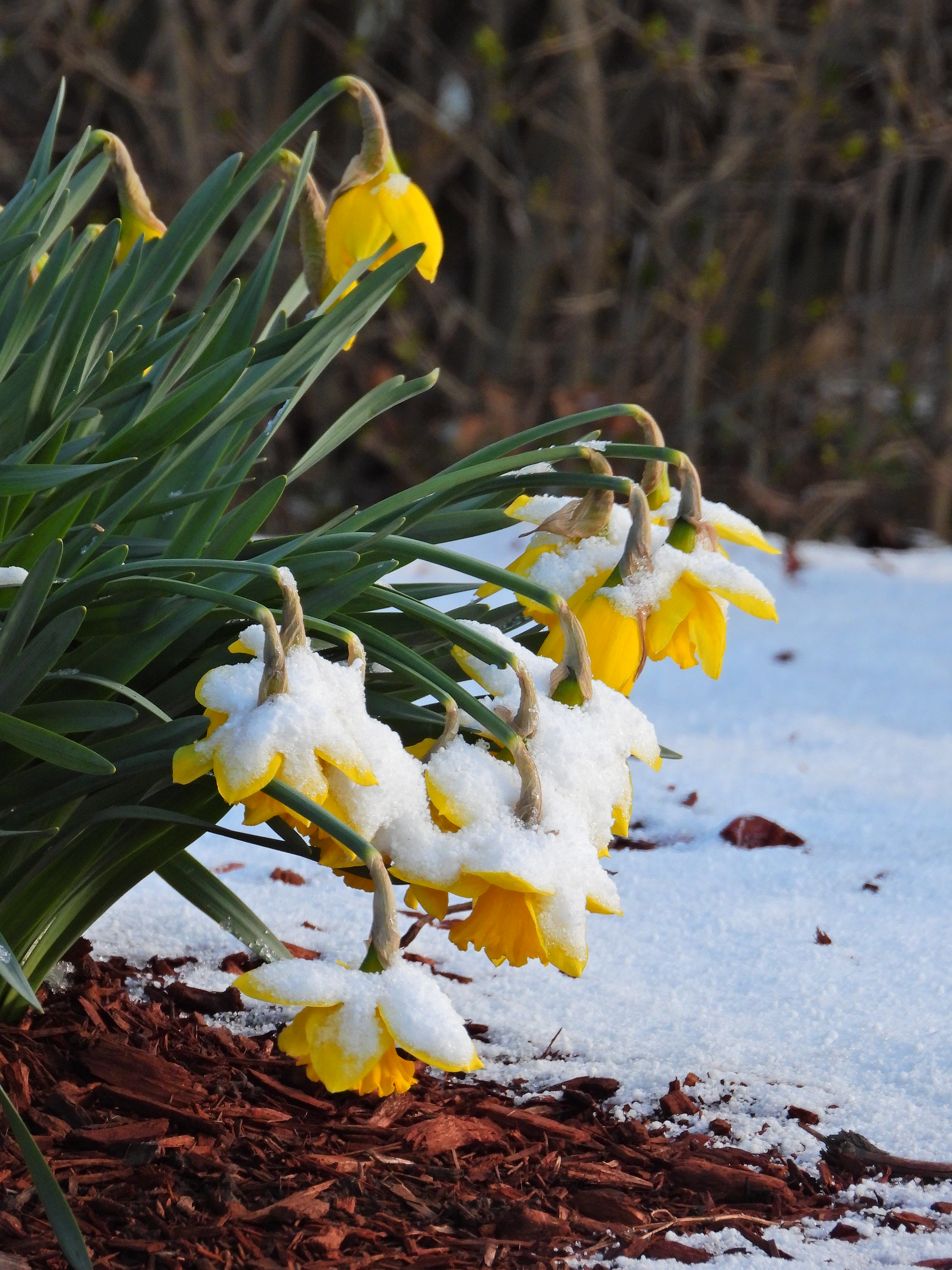
Bitter weather for spring. . .but this is western New York <sigh> We don’t always get much of a spring here. And these were taken in Wolcott, which is always just a bit colder because it is just a bit farther away. . .and lies right along the north side of Route 104. For those who don’t know it, Route 104 is the line that separates regular snow (on its south side) from the constant white stuff that falls from lake effect (on the north side).
Wolcott is my favorite McDonald’s, because it’s right on the way to the Middle of NoWhere, which is where I go on nature hunts.
Anyway, when spring finally arrives, we appreciate it! I was waiting in line at Waterloo when I saw this. . .they really know how to decorate with plants!
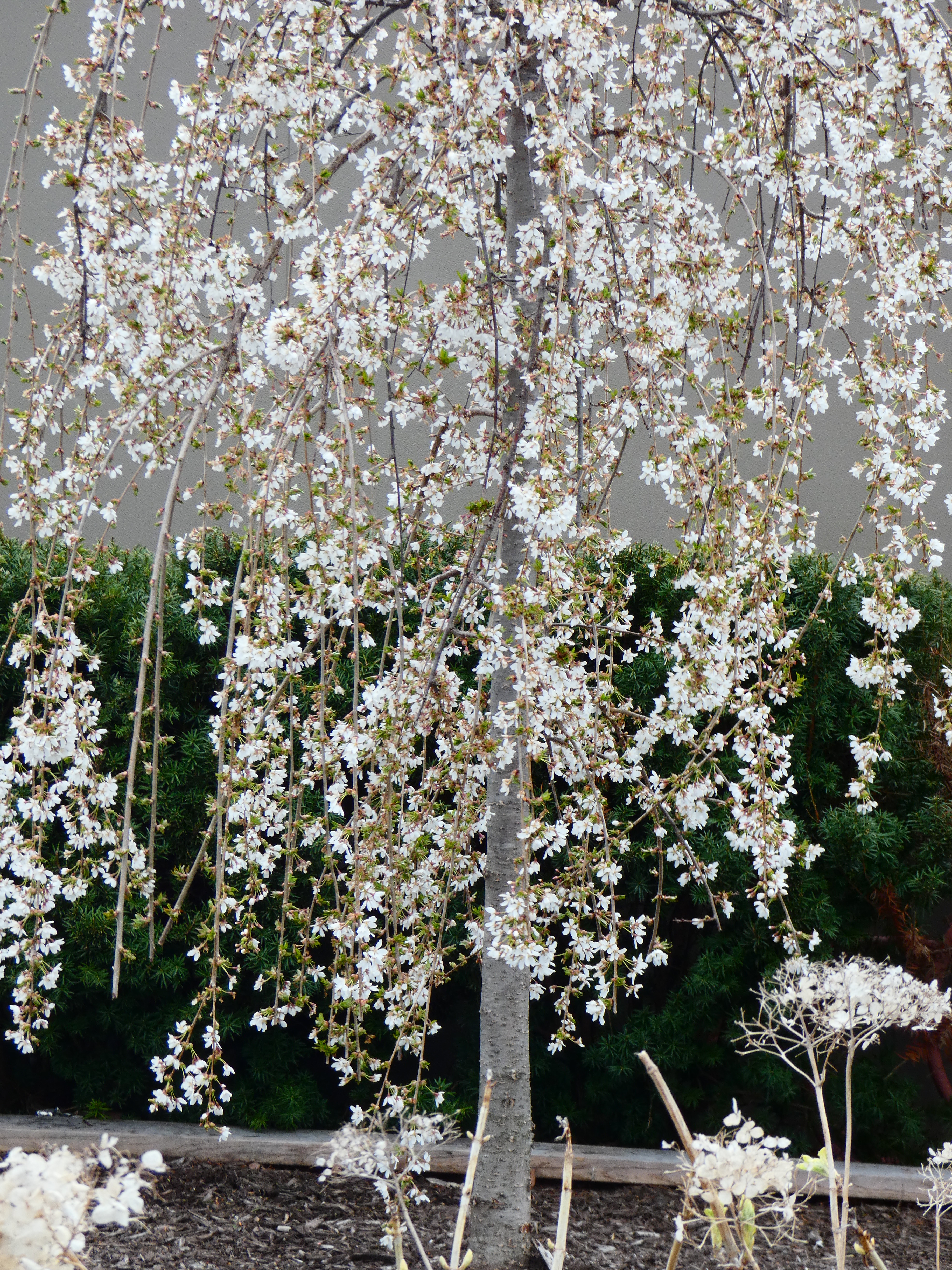
They did this funky thing with grafts, too, so there are white blossoms and pink ones on the same tree. Not bad, eh?
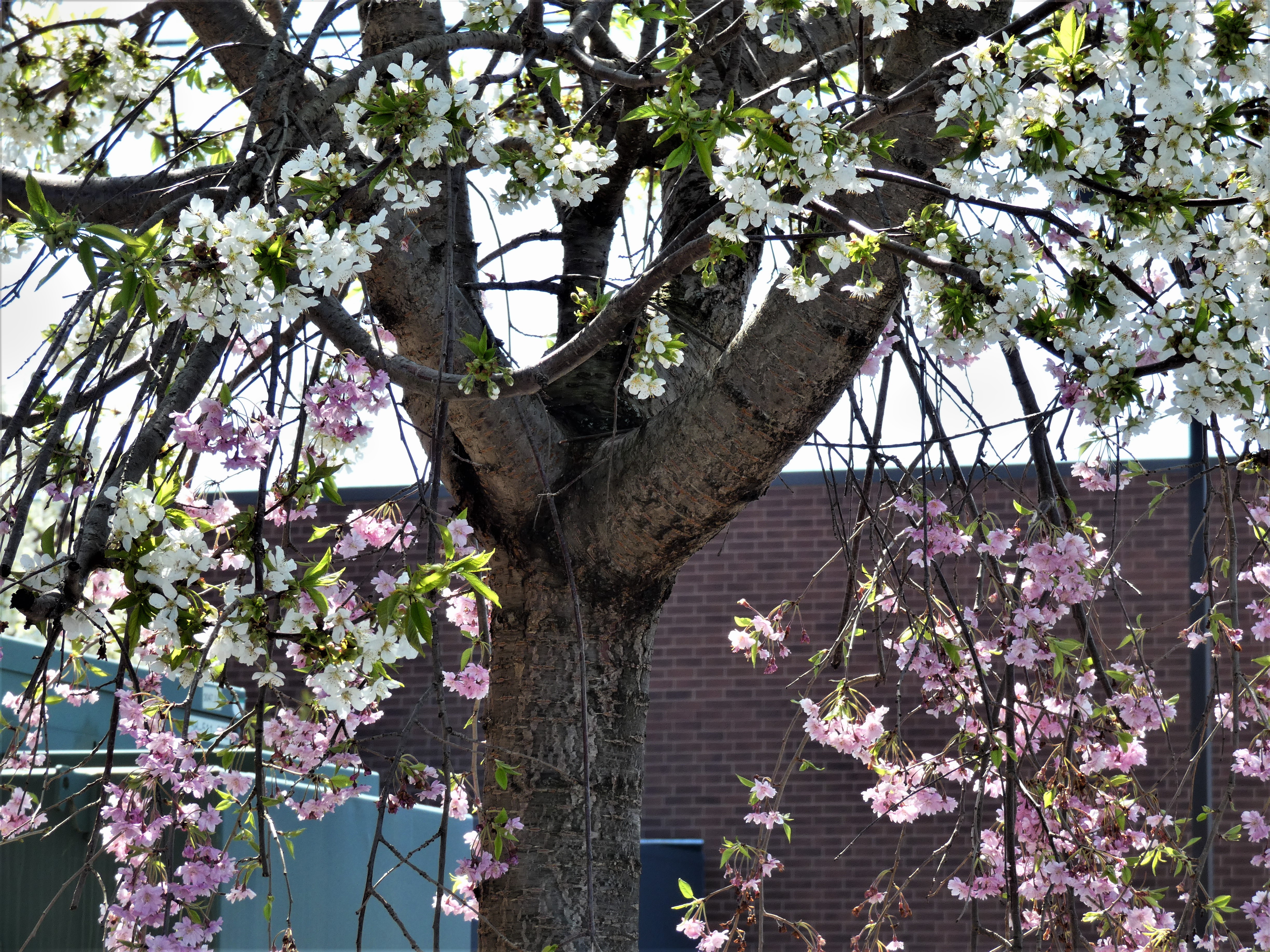
Of course, it never takes too long for the weeds to pop up, snow be damned!
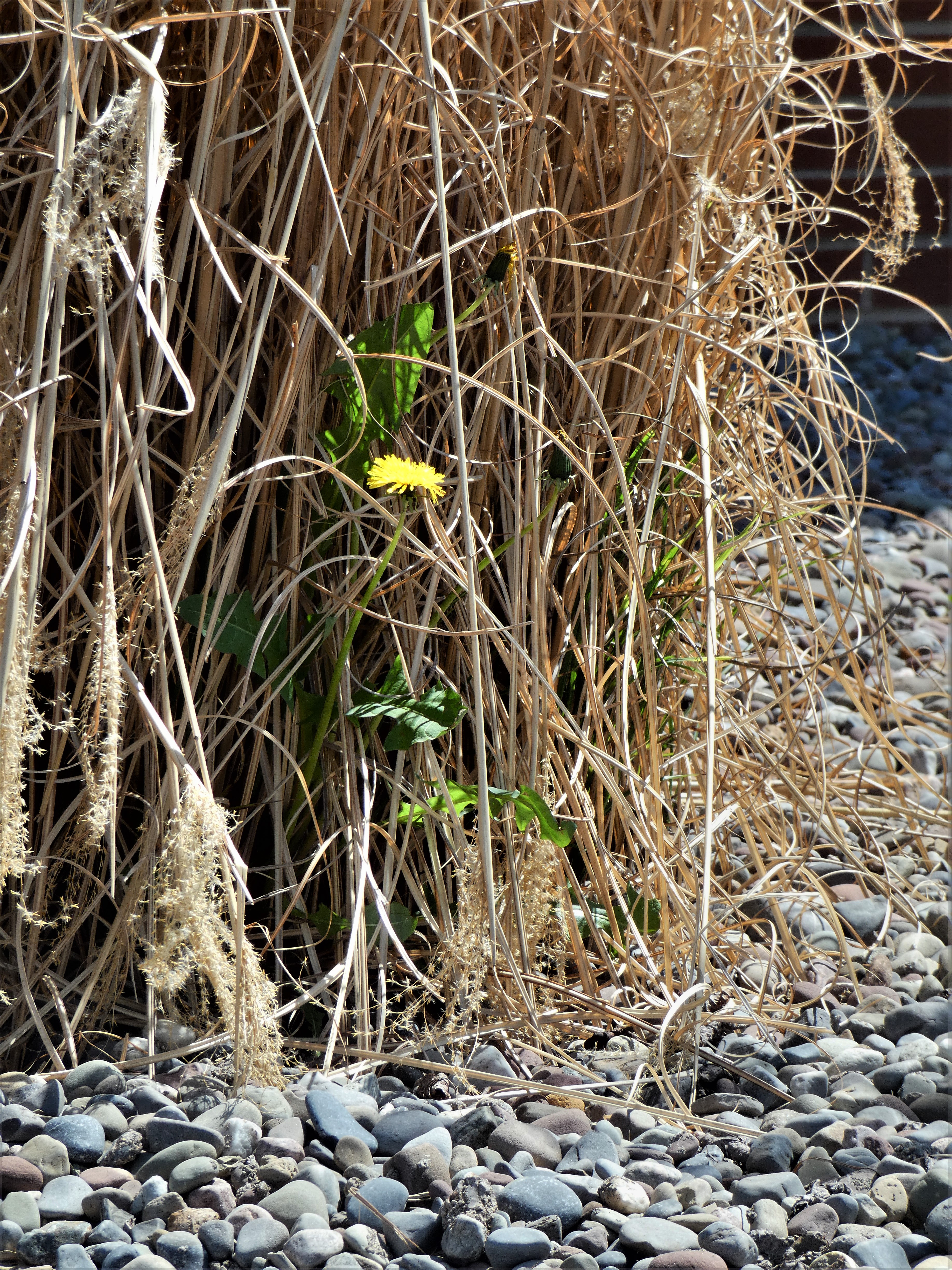
Waterloo also has McFlowers like these:
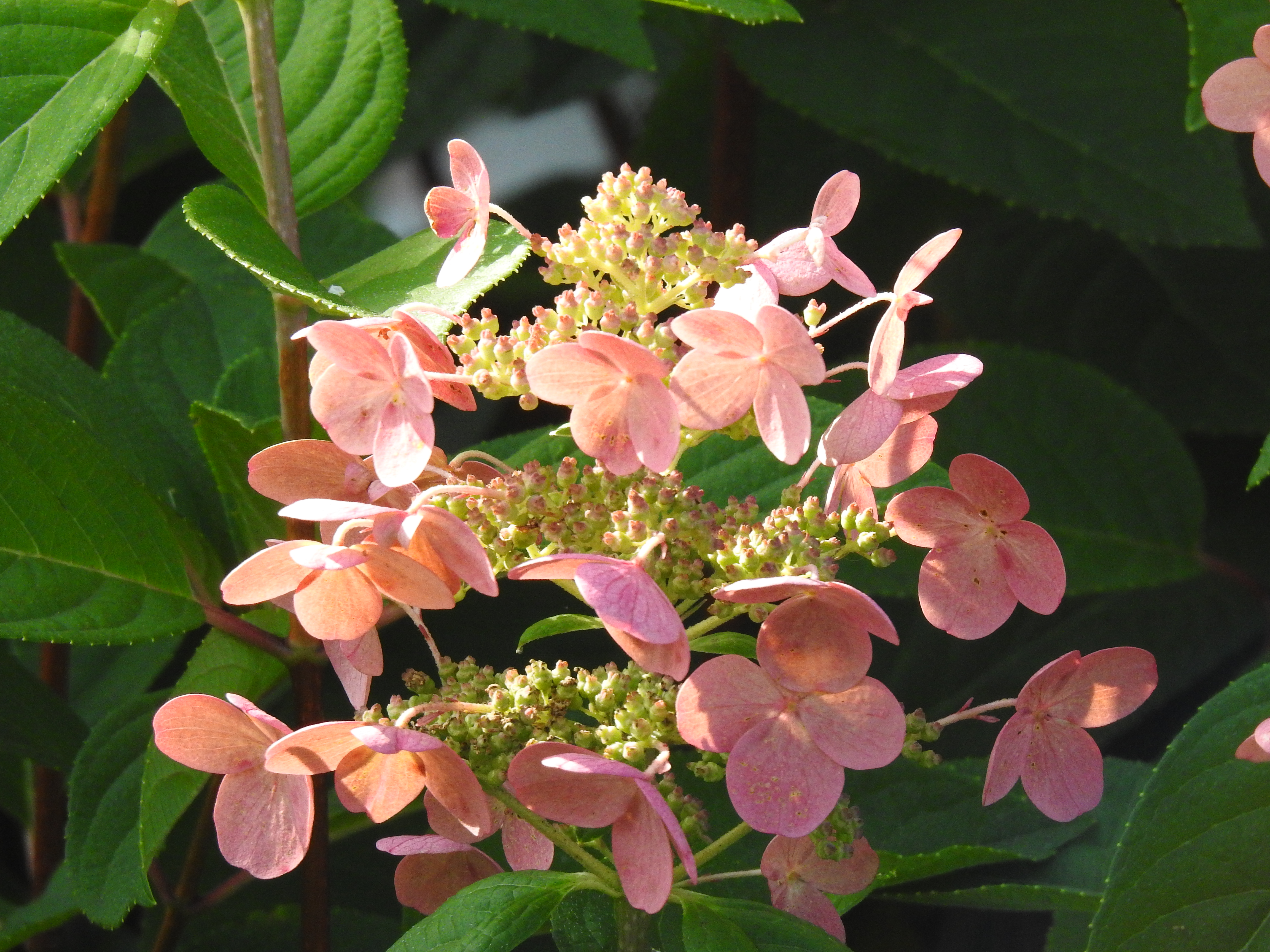
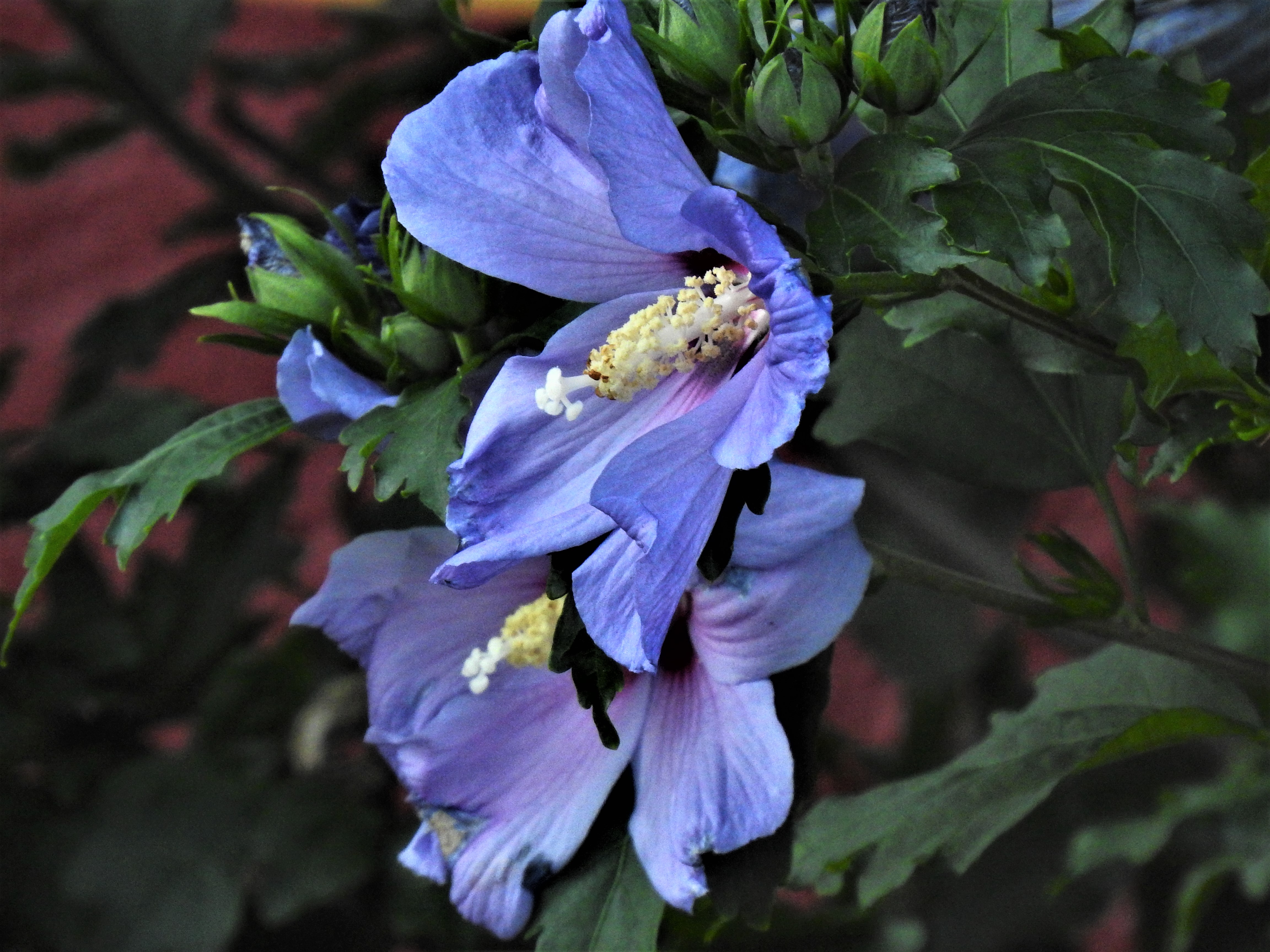
and these:
. . .which certainly excuses the occasional dandelion. Besides, it’s not a weed, it’s a “wildflower,” right?
There must have been a McSale on black-eyed Susans, because I see them at just about every McDonald’s I stop at.
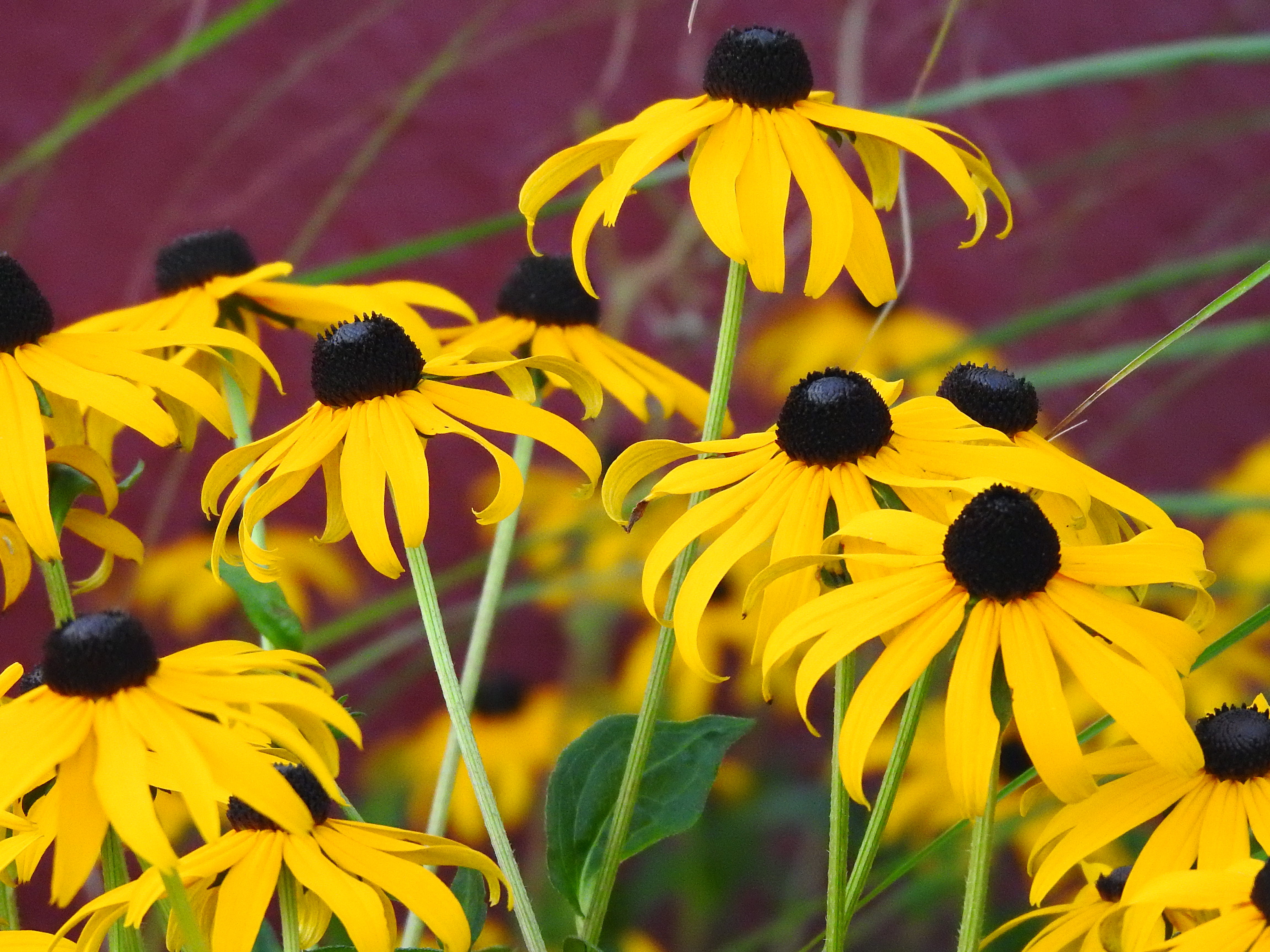
They grow everywhere, just like dandelions, but they are so pretty who cares if they are nothing but a weed — I mean “wildflower”?
I don’t know what these are, but they look sort of like the rose mallow that grows along the sides of the marsh at Montezuma. But they can’t be rose mallow because they’re blue. . .and besides, somebody paid for this plant, so. . .
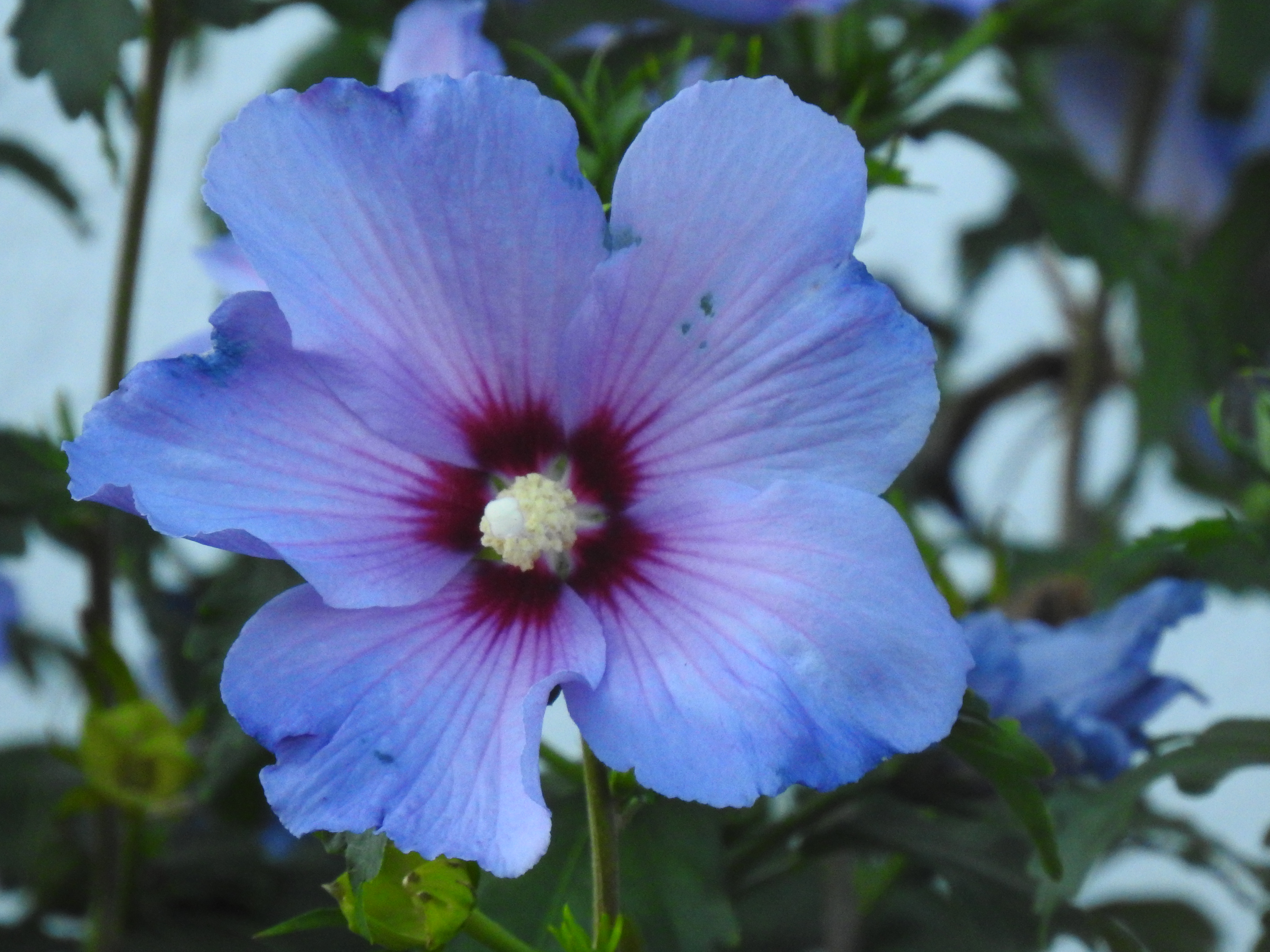
What I love most about McDonald’s though, are the McBirds. All the lovely plantings and bushes that line their drive-thru’s attract any number of flying visitors.
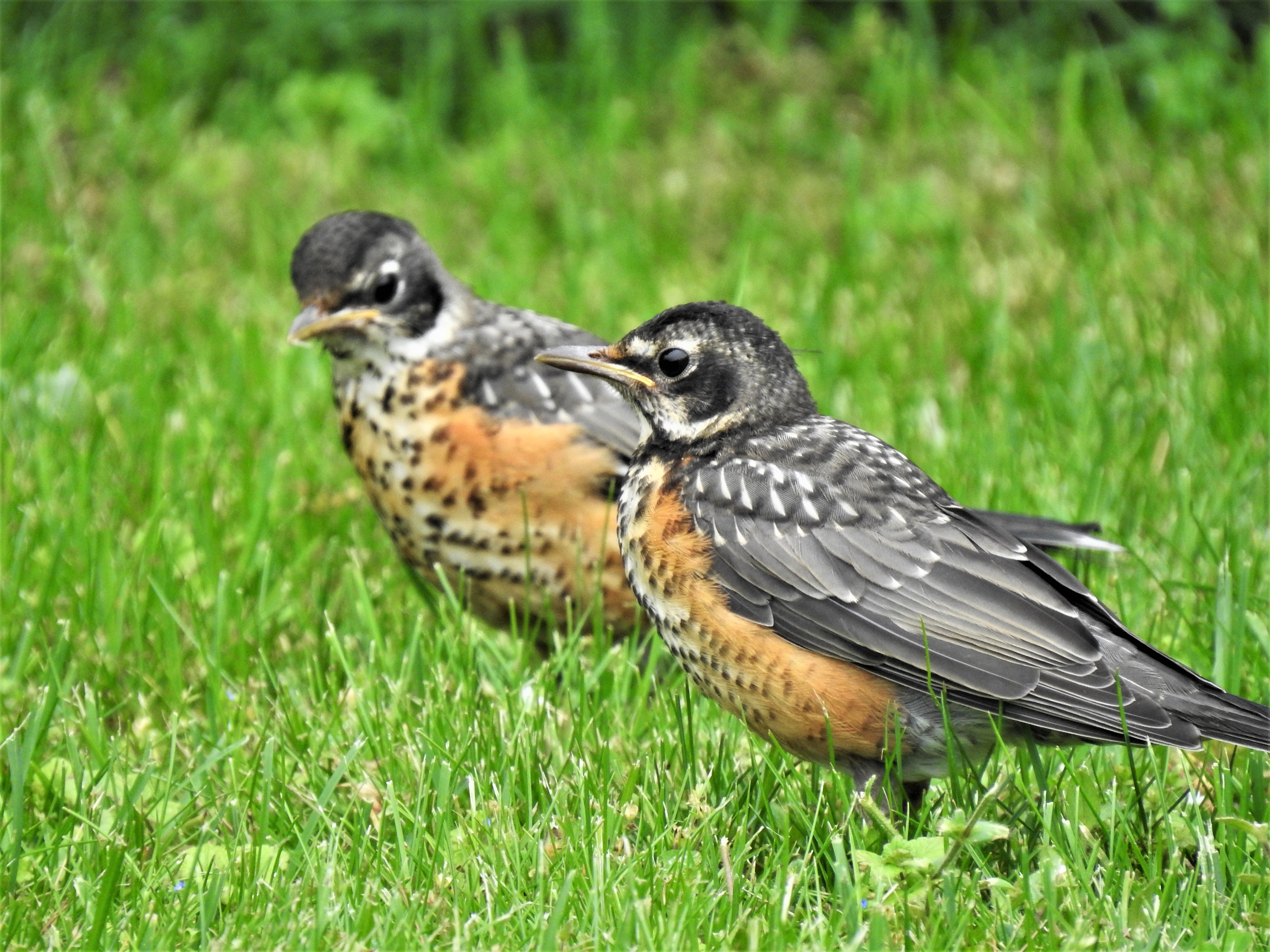
Here are a couple of juvenile robins. They just stopped in for a visit.
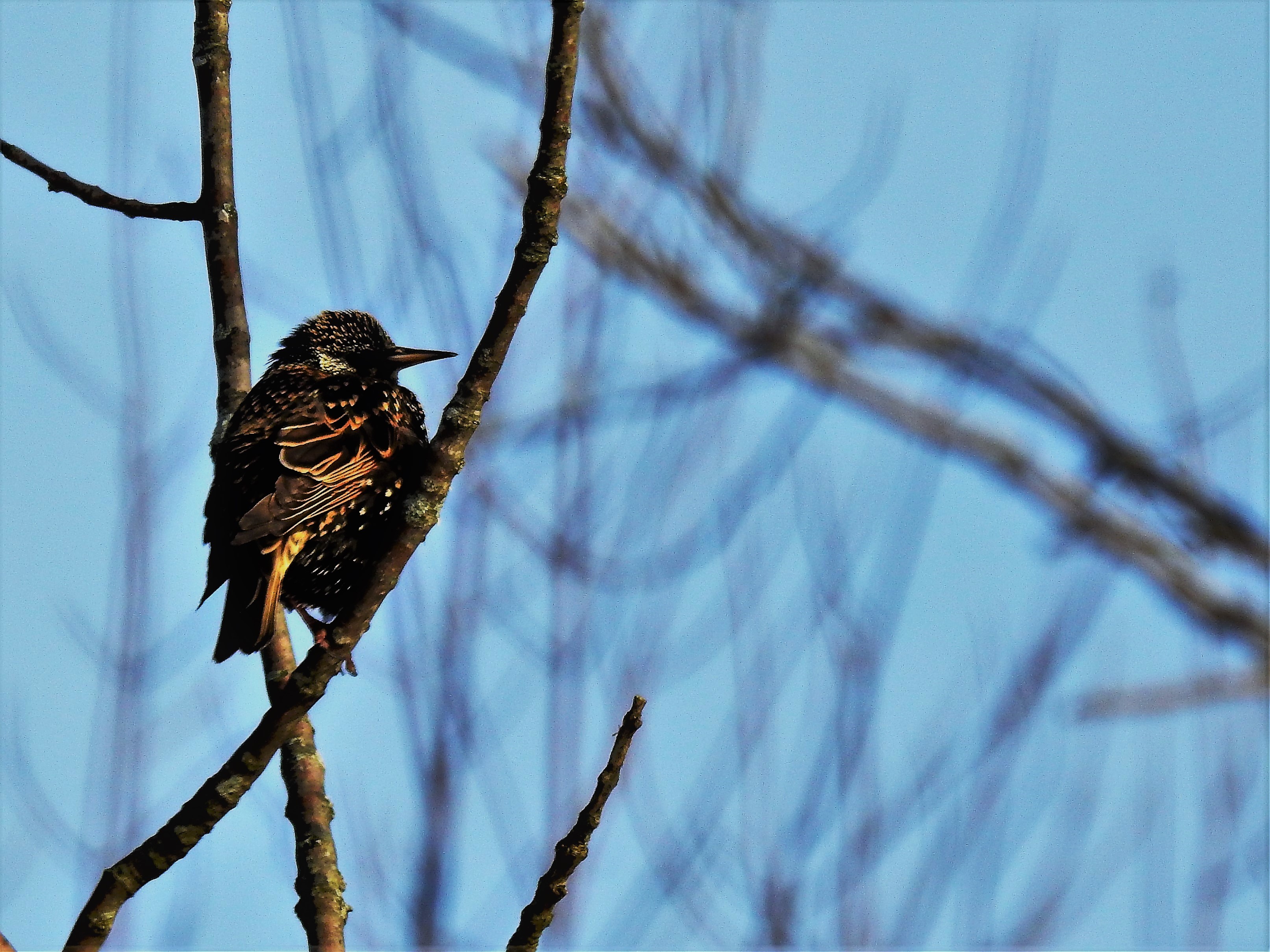
This starling looks cold and hungry; he’s probably hoping someone drops a french fry.
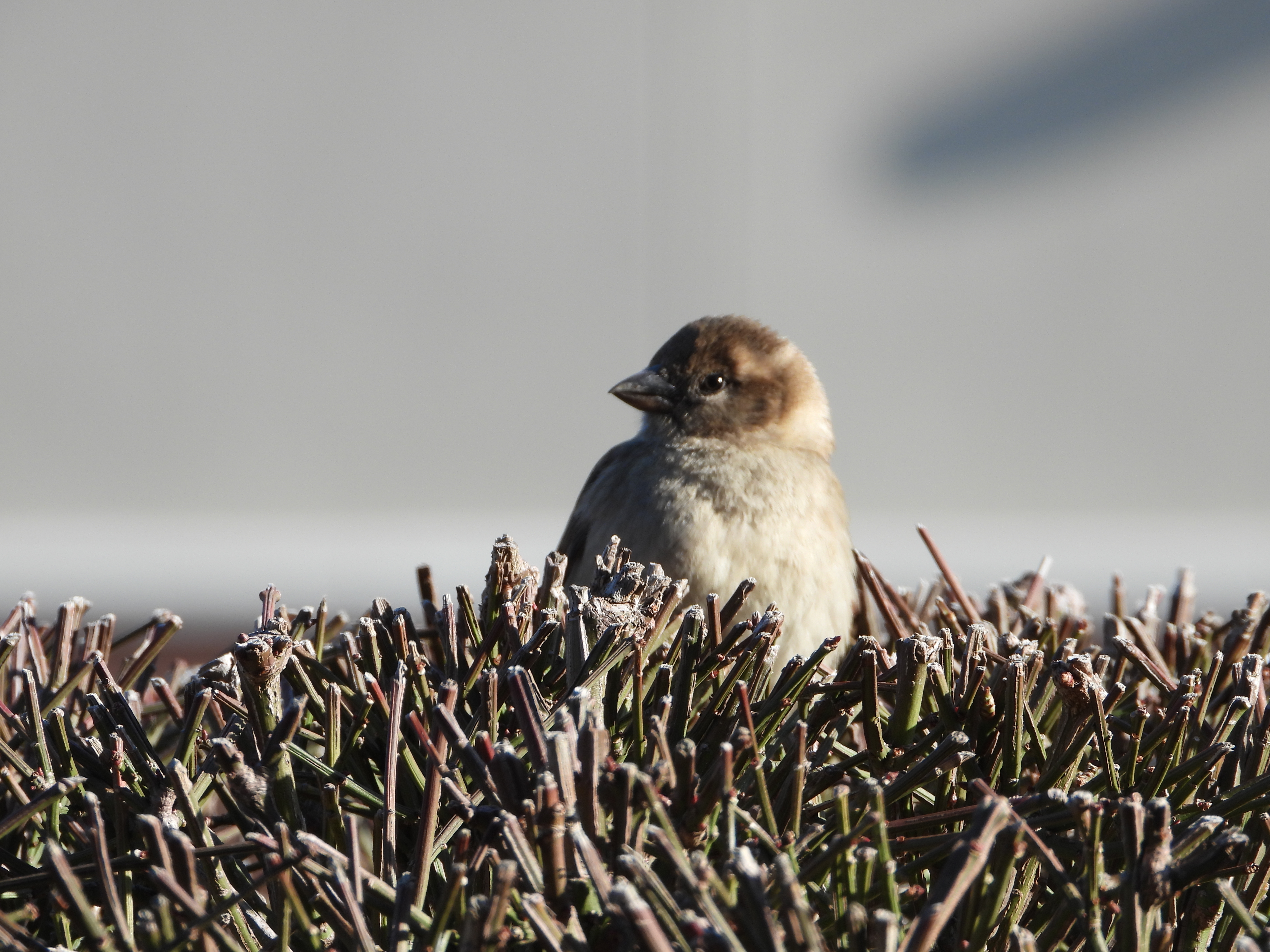
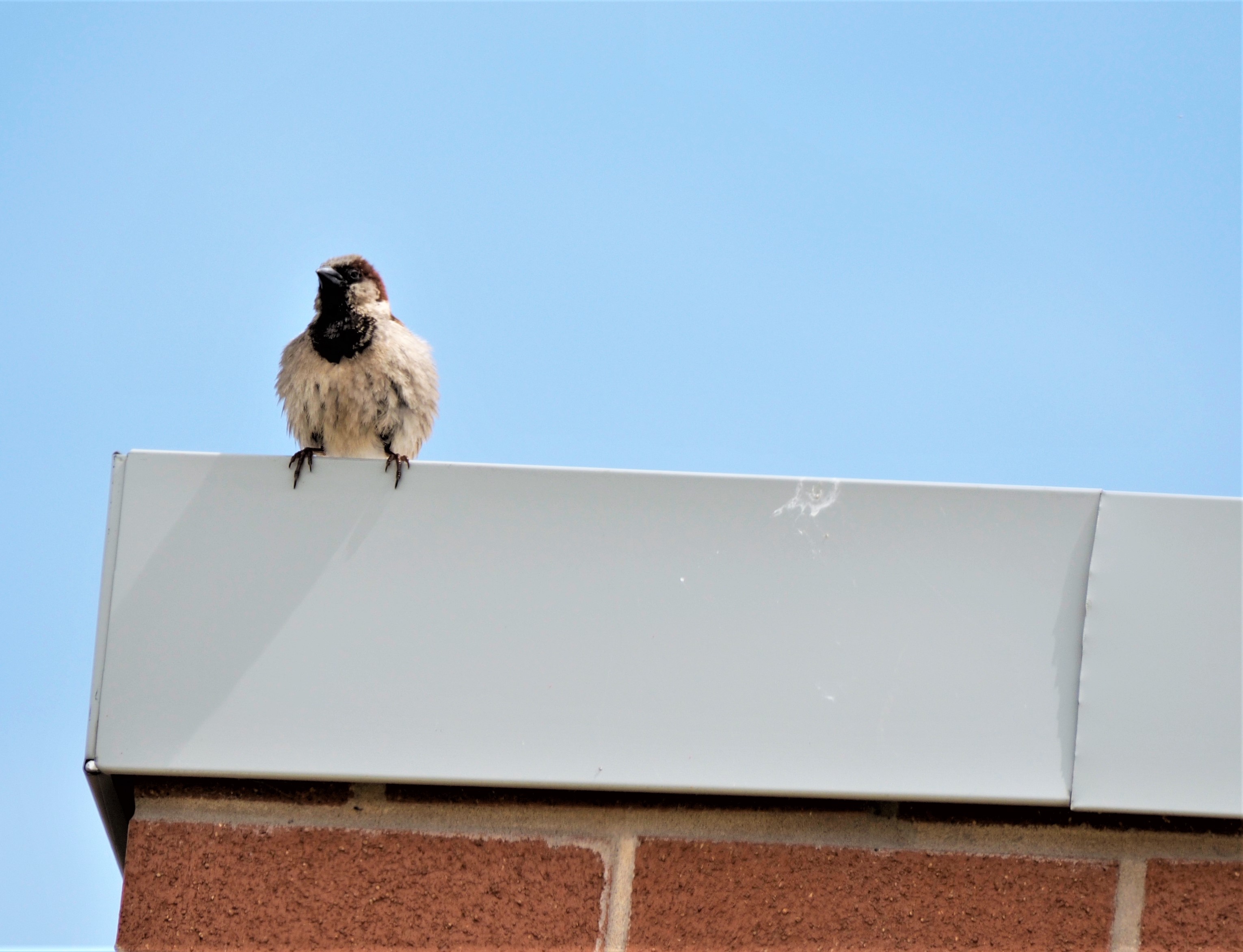
But the robins and starlings and other avian visitors don’t stay very long. The ones who do are small enough to fit behind the neon signs, where they build a cozy nest. Mostly these are house sparrows, but who cares? They sing a nice McSong, and their eyes sparkle if you catch the right light.
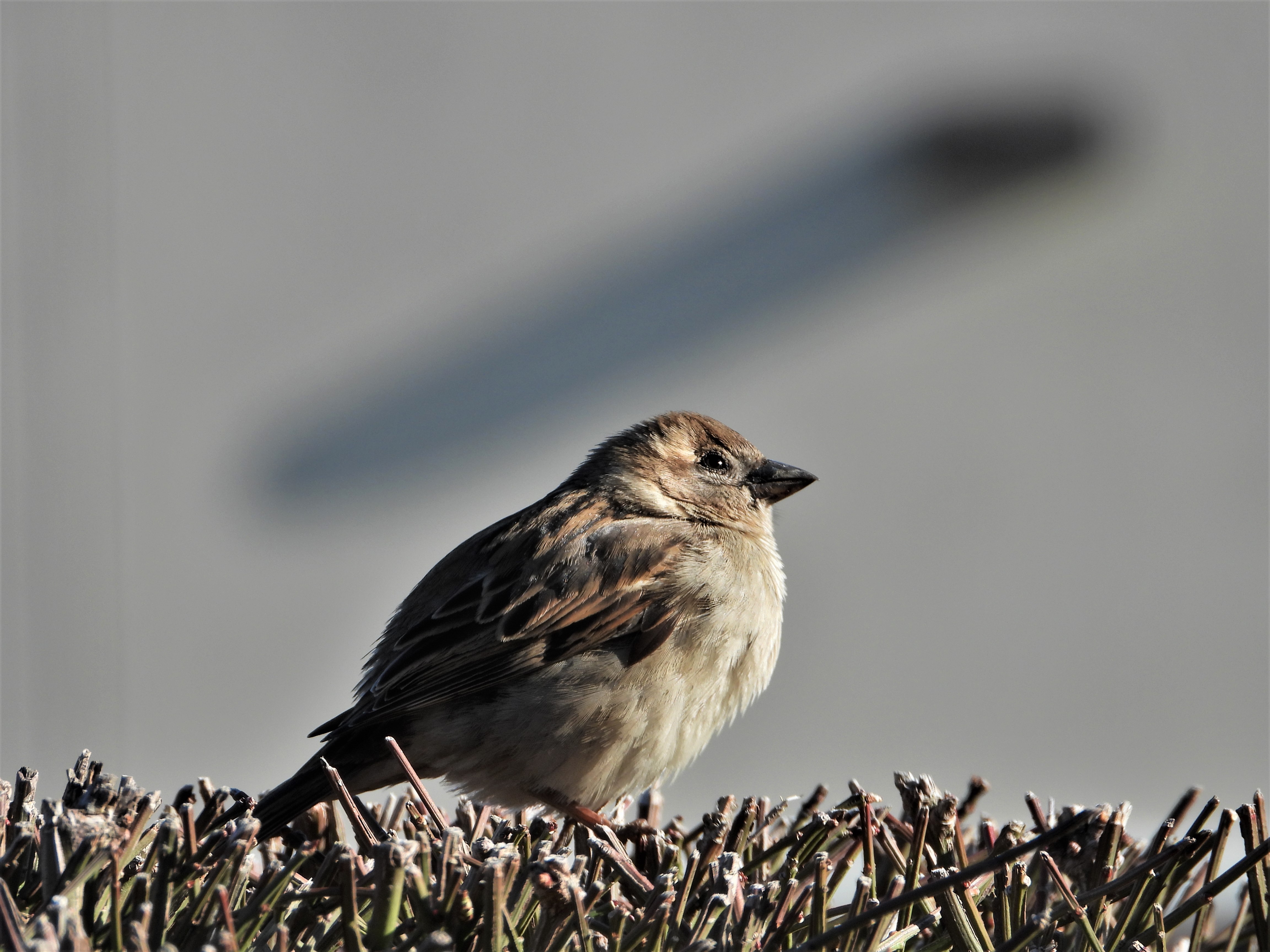
And they pose very nicely too 😉
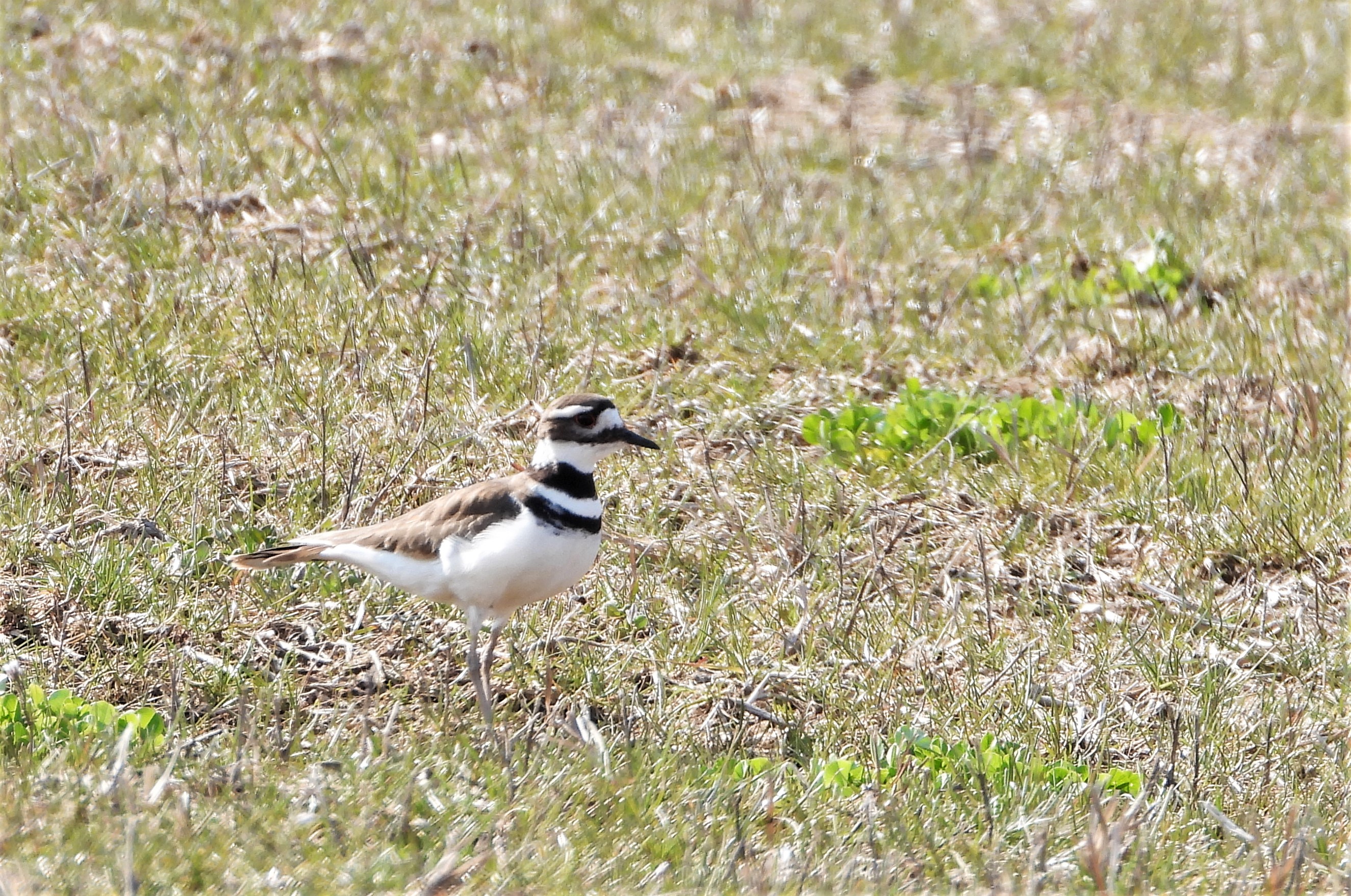
I saw one of these once, but it was at Burger King. I really don’t know why a killdeer would hang around Burger King, but this one did for as long as it took for me to eat a burger and read a few pages of Galen Rowell’s Inner Game of Outdoor Photography.
Of course, the birds I see the most are these: Gulls! Noisy, pesky gulls always begging for a bite of whatever you have in your hands.
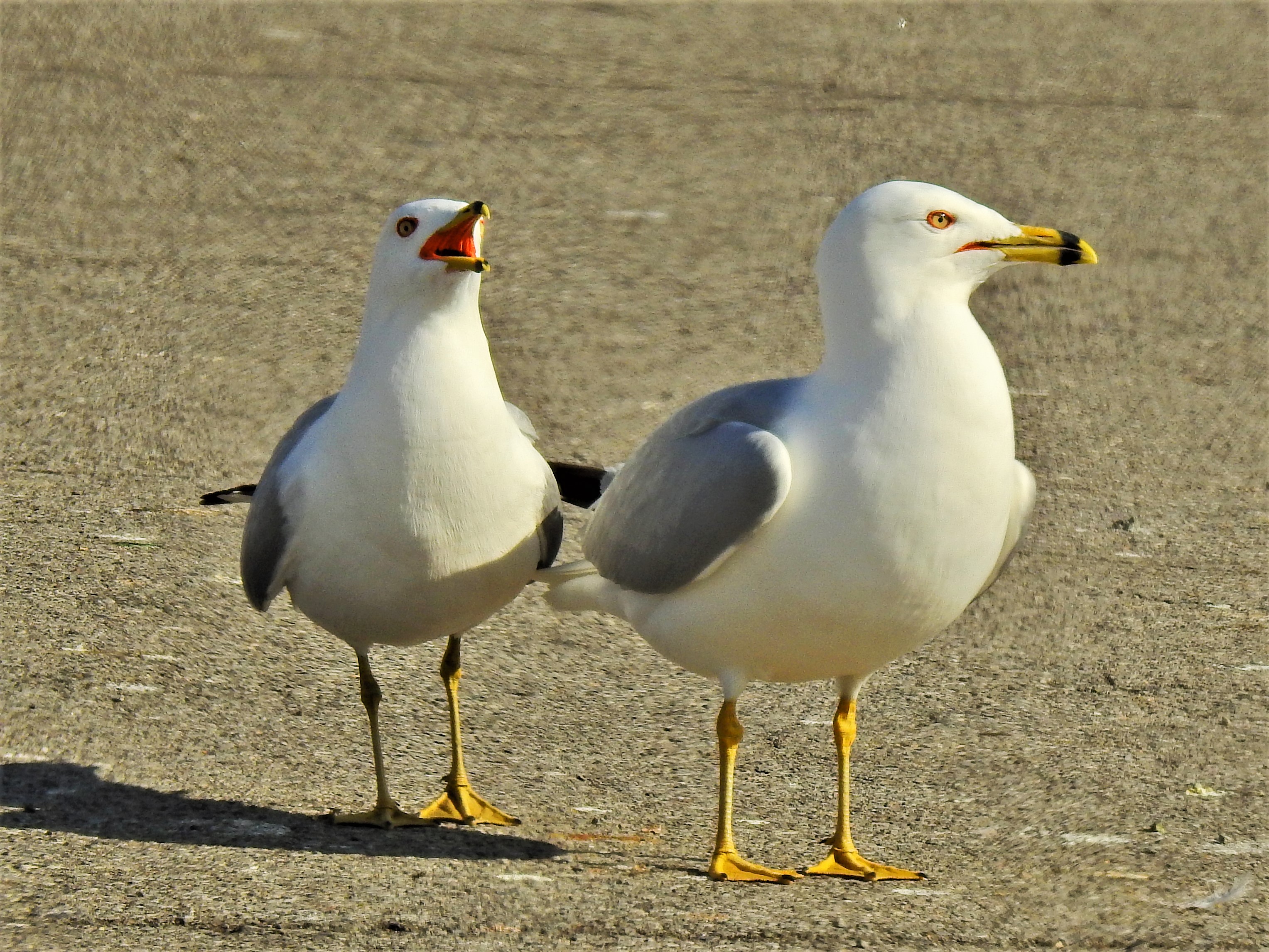
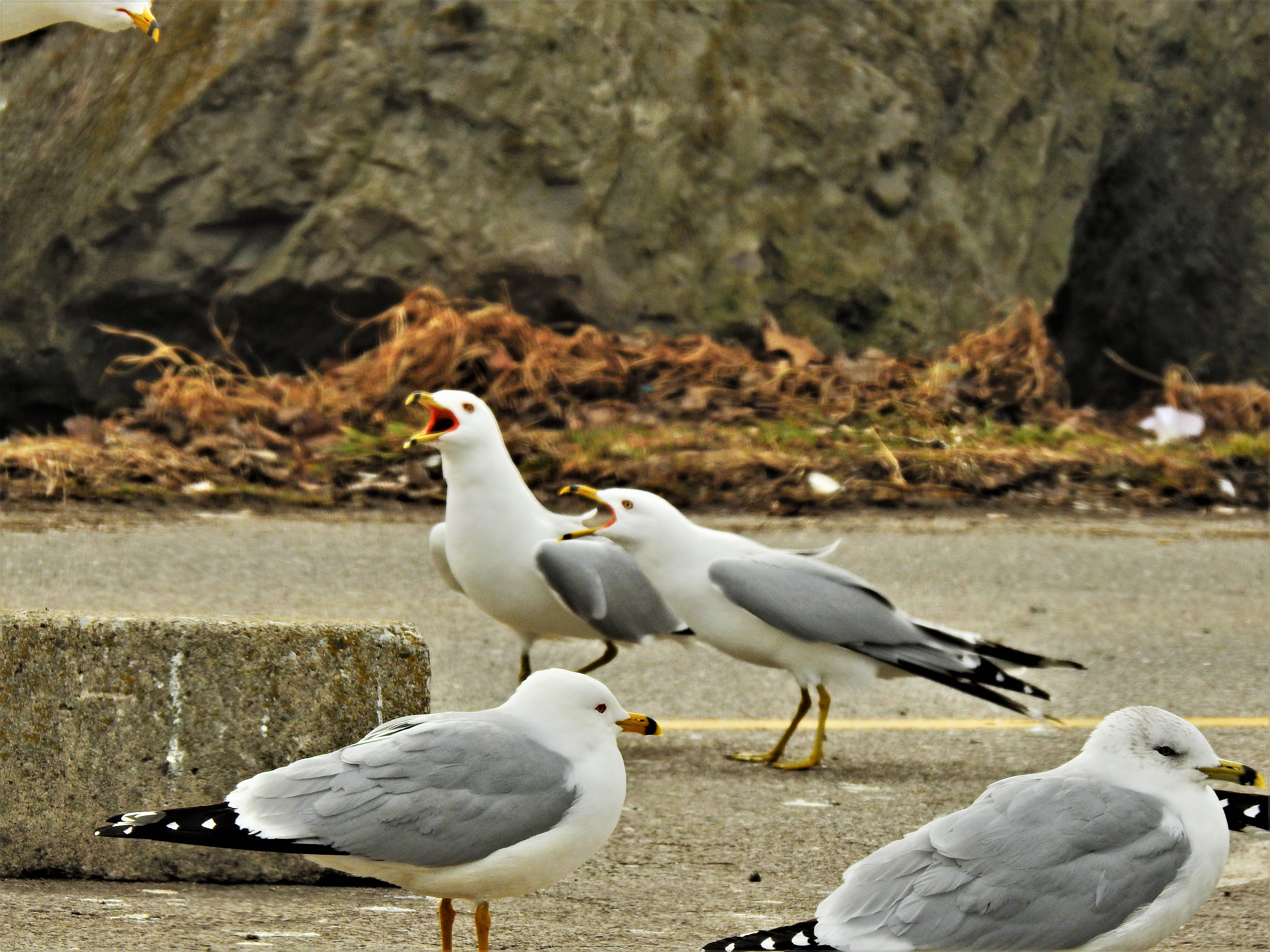
Whenever one leaves, two take their place. They are quiet as long as it takes for them to eat a french fry and maybe scratch an itch. . .which isn’t very long.
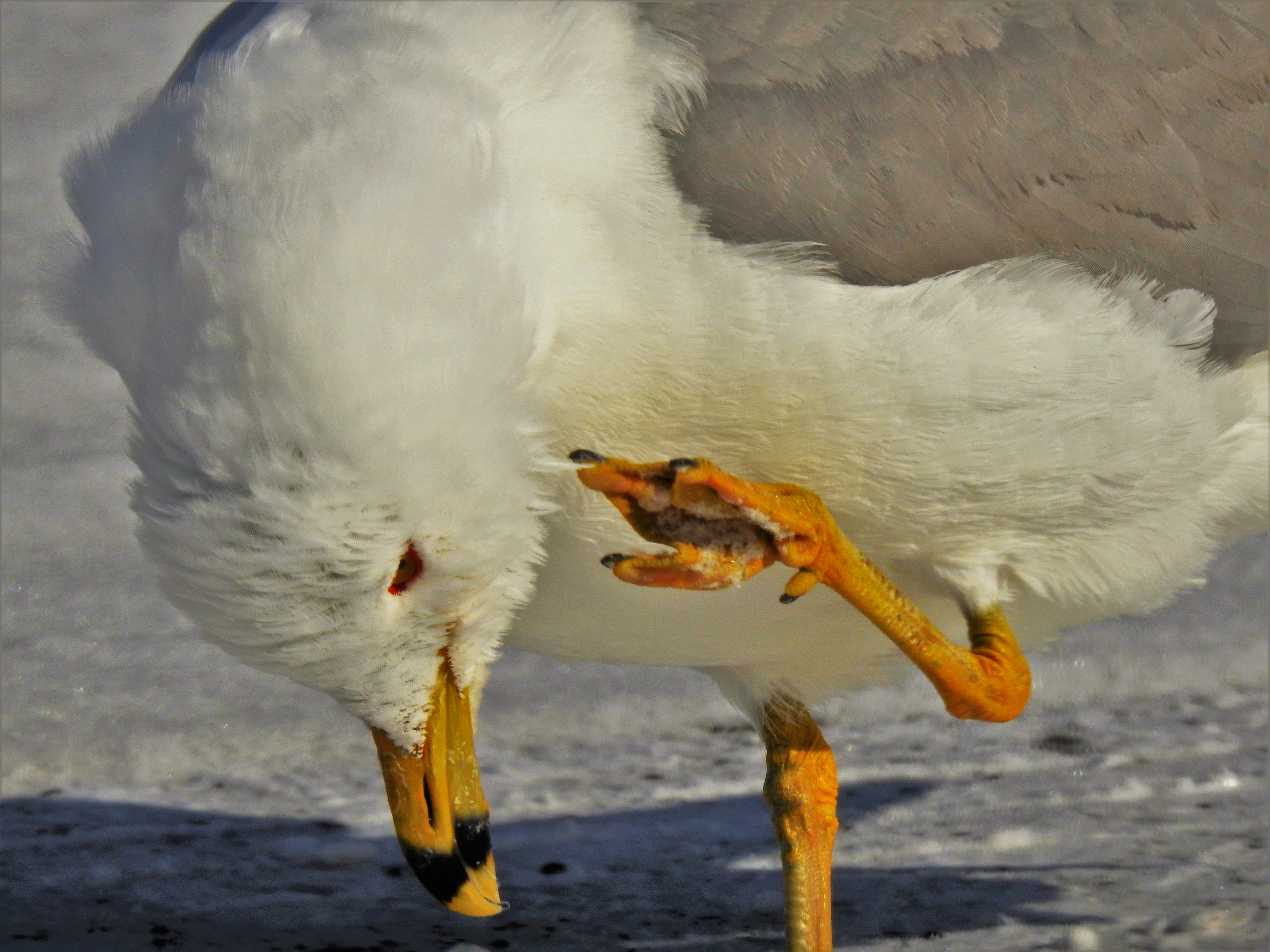
This one’s my favorite. He has only one foot, but that didn’t stop him from dancing:
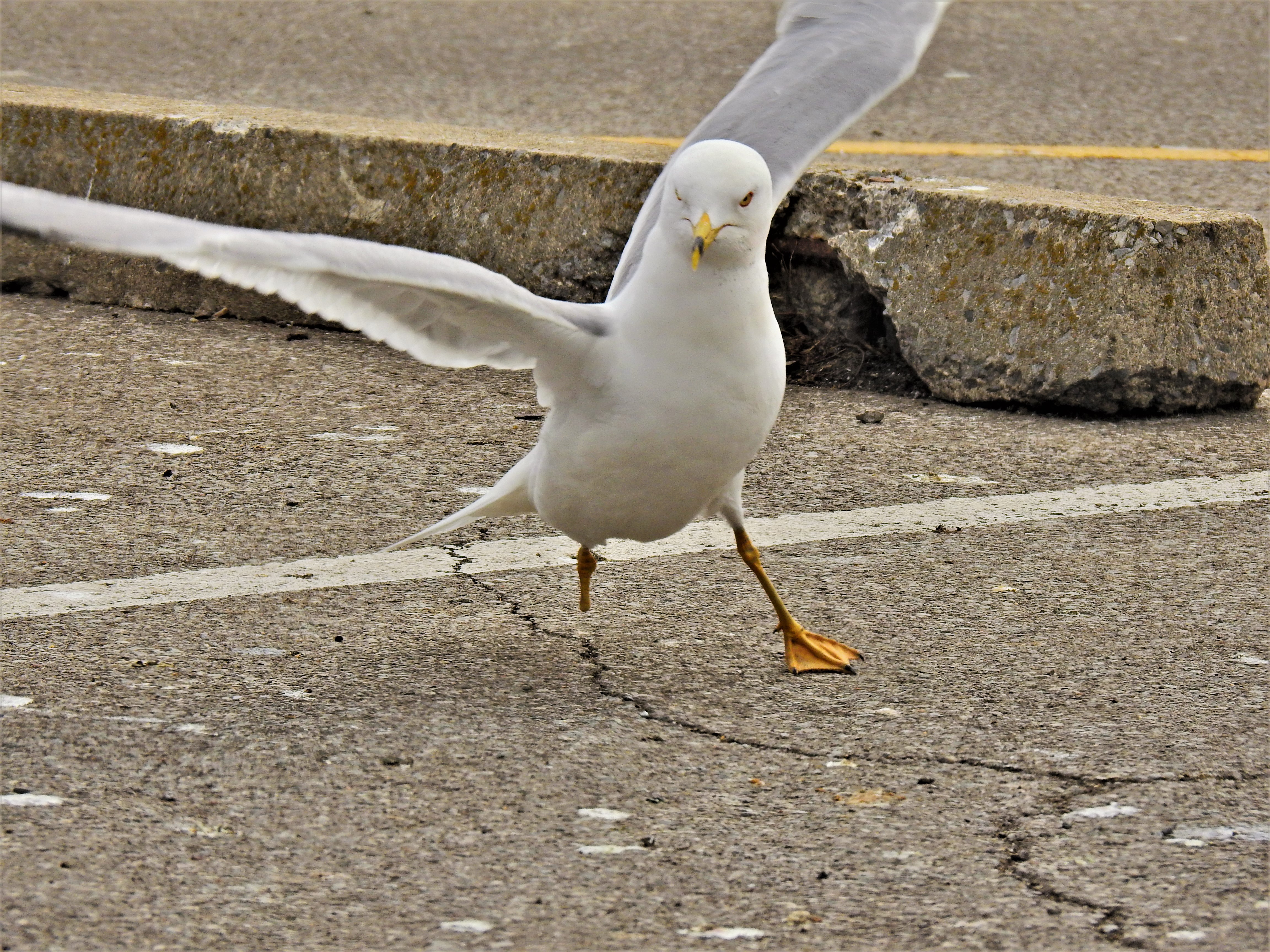
I bought a small bag of fries just for him!
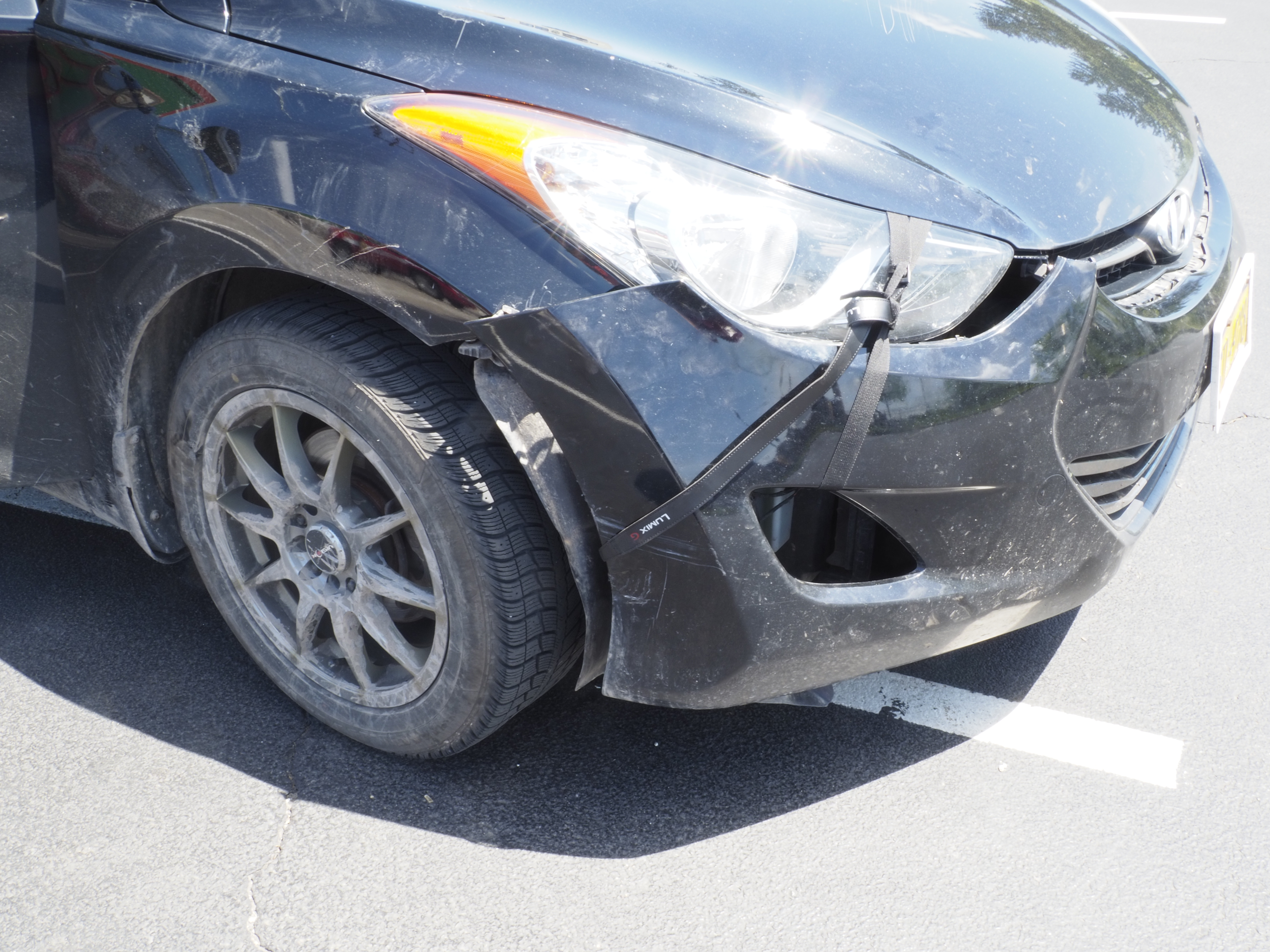
Most of these photos were taken impromptu within the past year, so I used whatever bridge camera that happened to please me at the time. Sooooo glad I am over that! The only bridge I now own is a gray-market Lumix FZ80 (FZ82 here in America), which I carry with me “just in case.” And it’s a good thing I had it with me over the weekend, when I inadvertently hit something that peeled the bumper from my car. The camera strap was sacrificed, but the camera, car, and me live on for better, brighter days.
Not very happy about the car, but look at the nice star I got from the glinting sun!
(published May 26, 2020)
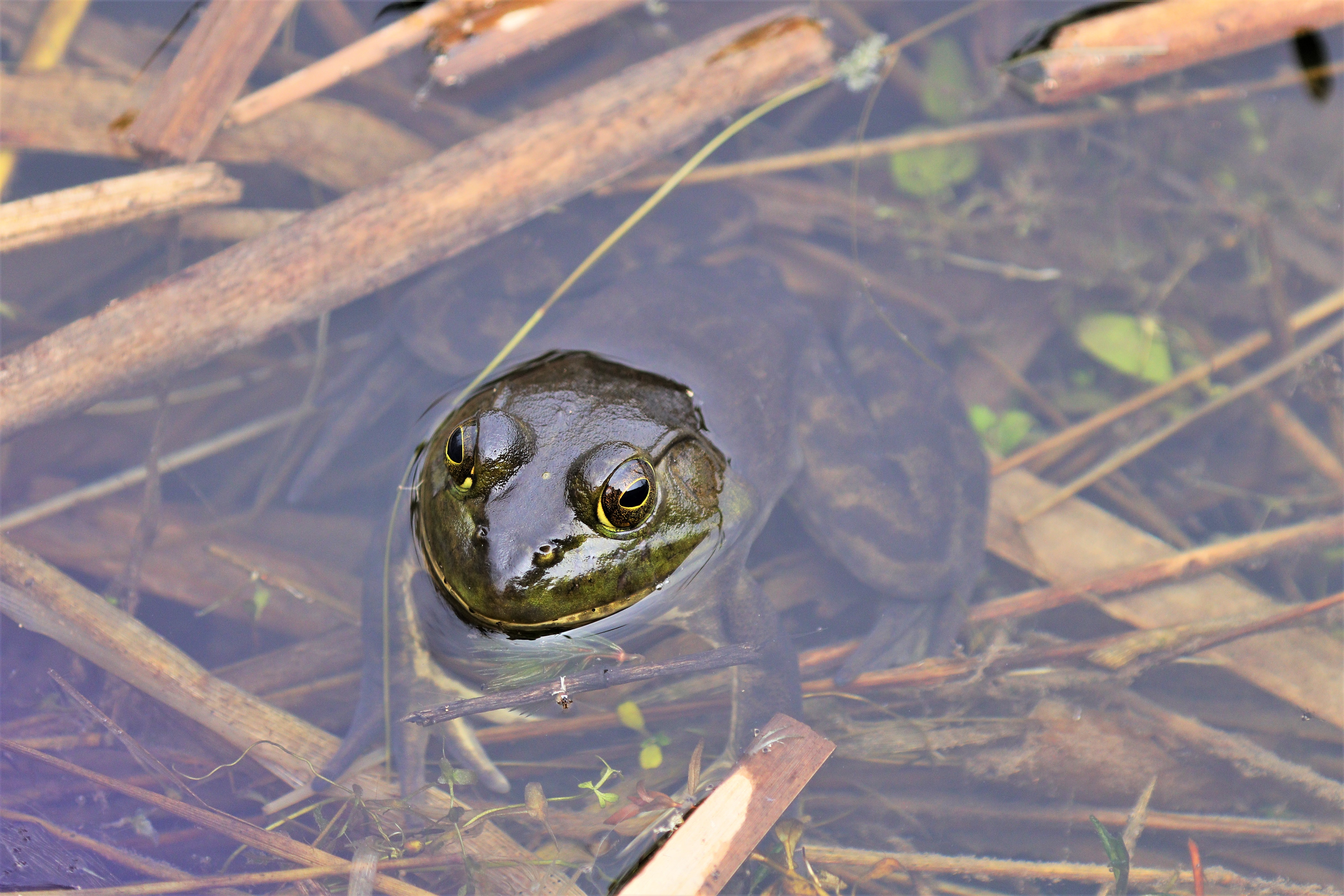
Garth Brooks has friends in low places, but he has reason to prefer his low-placed pals — singing about them has pulled in a ton of money! But he is really missing out. I have soooo many friends in high places!
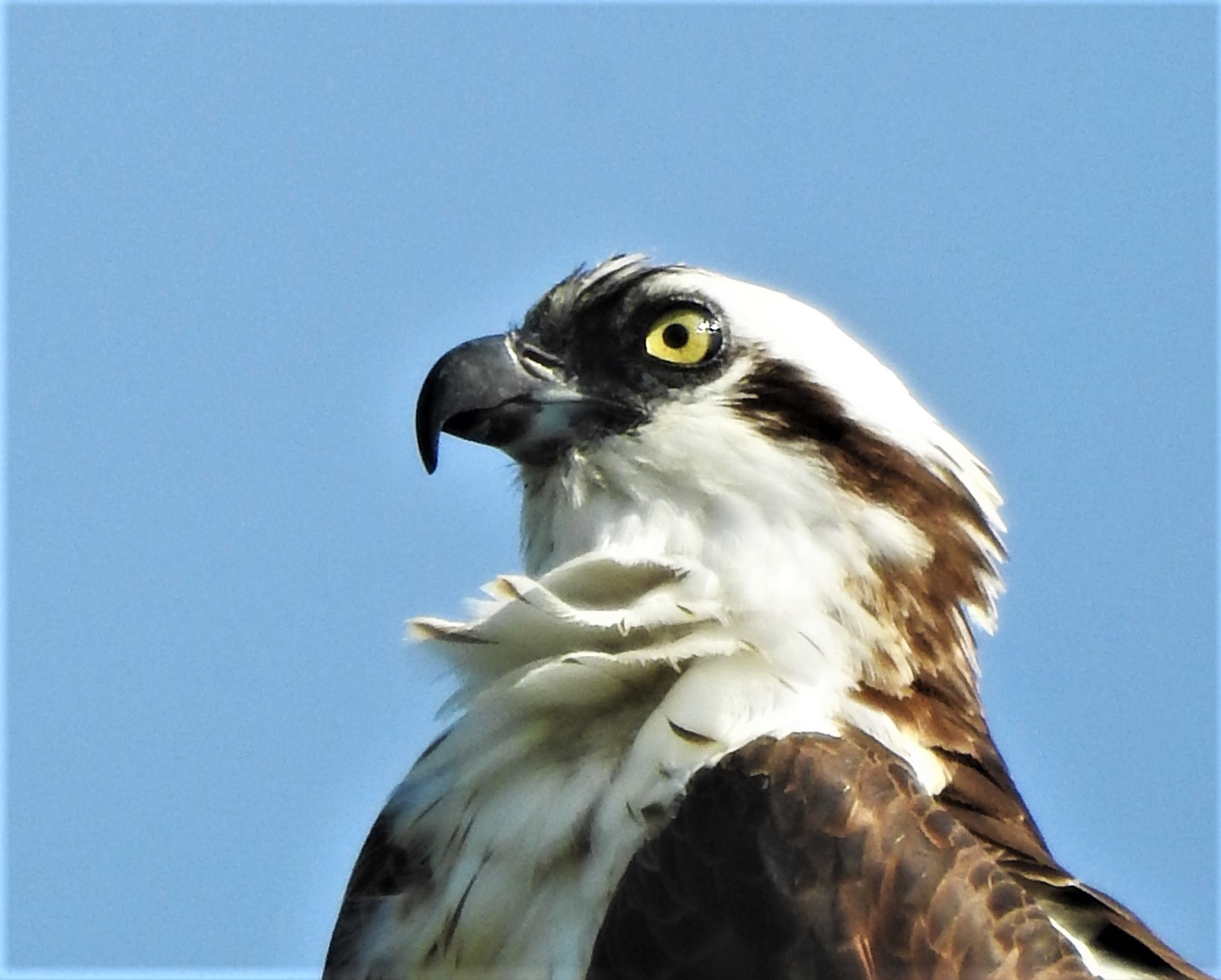
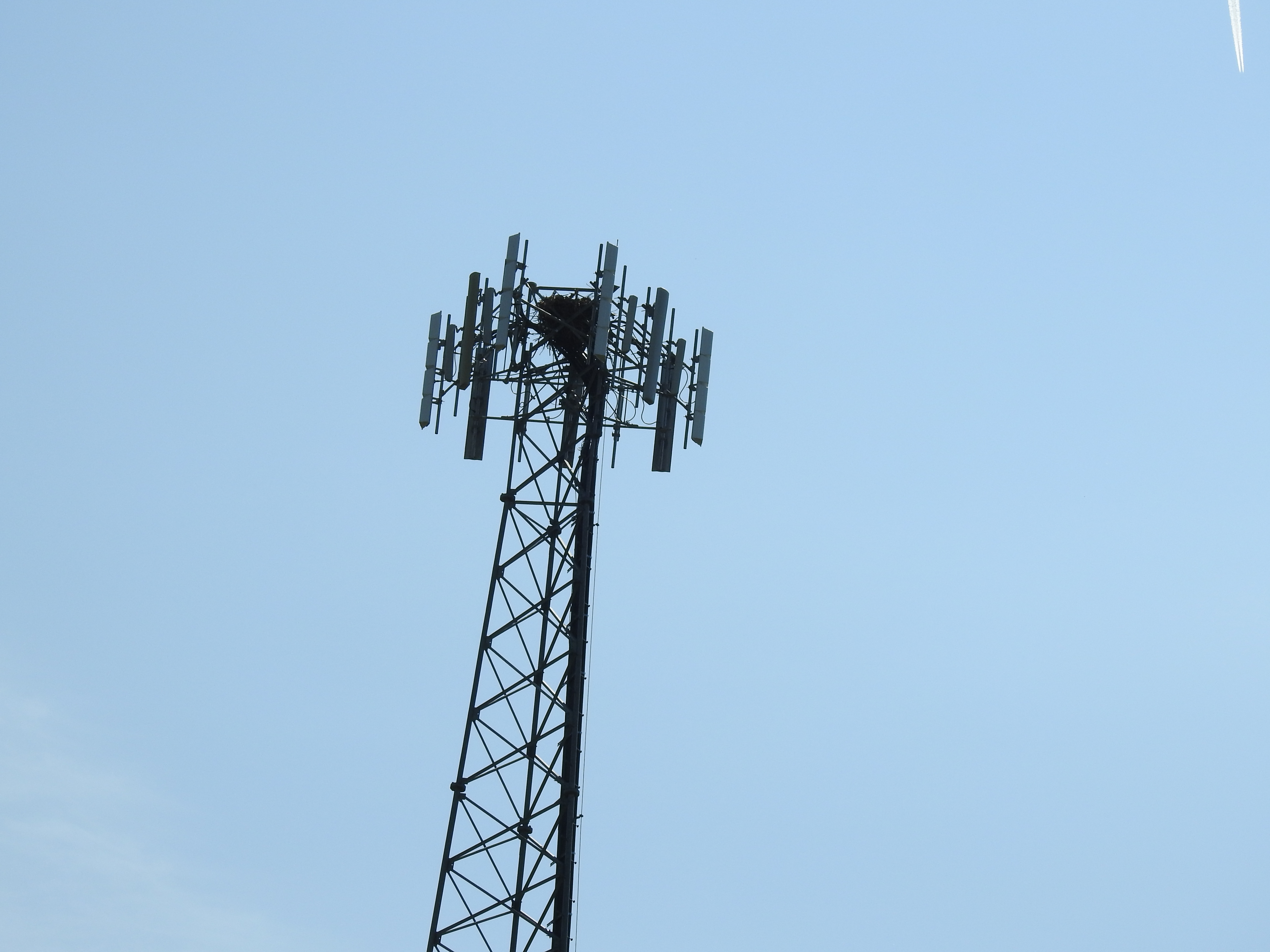
Most numerous of these are probably the osprey. Last year I counted 19 osprey nests on and around the stretch of Rt. 89 that brings me to the Montezuma Wildlife Refuge, and that’s not counting the 6 that are perched atop the utility towers near the entrance on Rts 5&20. This year I counted 3 more, 2 at West Shore Trail and another right on the Erie Canal in Tyre.
To me, osprey kinda look like small eagles; it’s their size and the brown eyestripe that give them away. Ospreys chirp pleasantly, almost like a songbird, but if they are stressed they string them together in a woeful, whiny series. It’s enough to drive other osprey (and pesky photographers) far away!
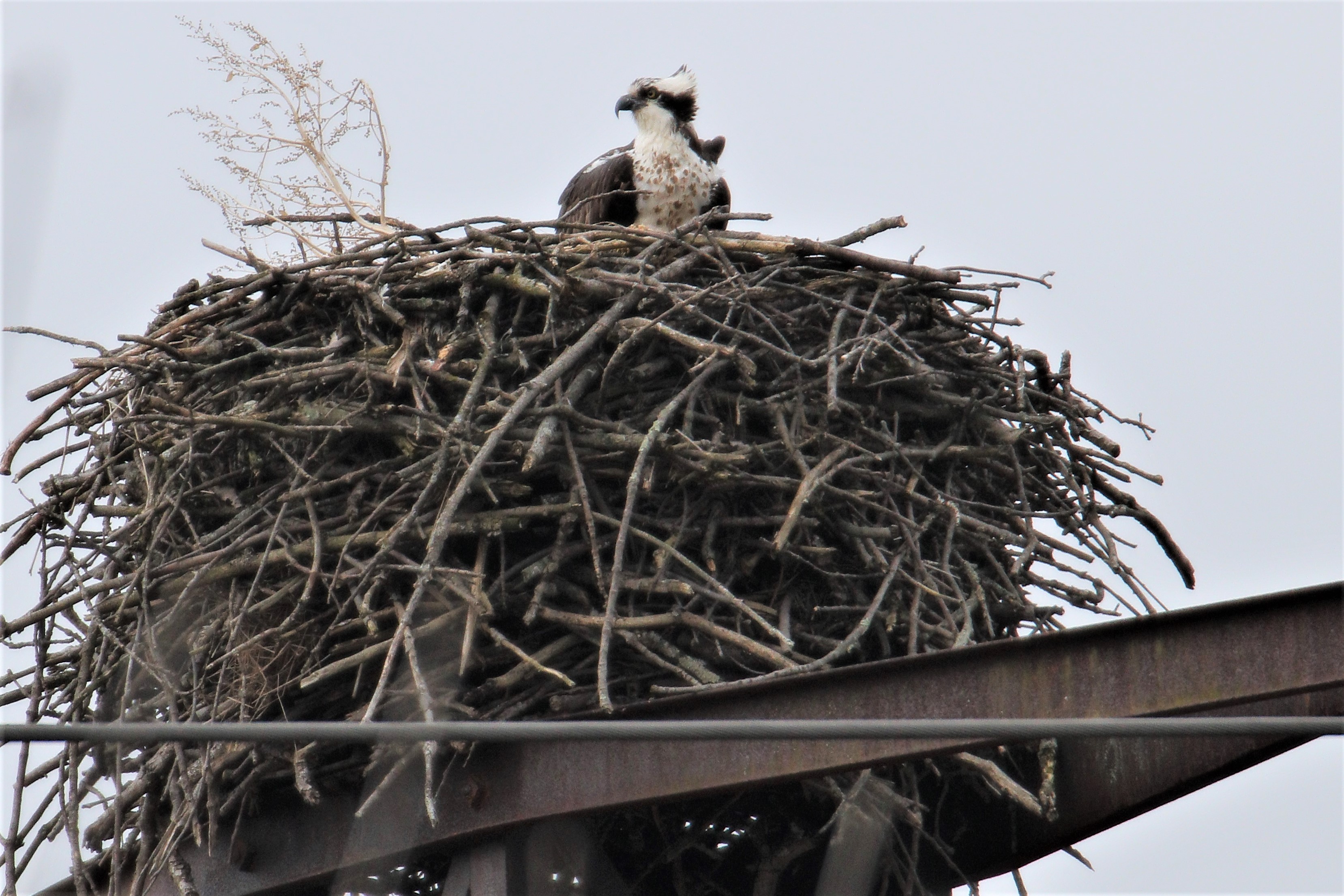
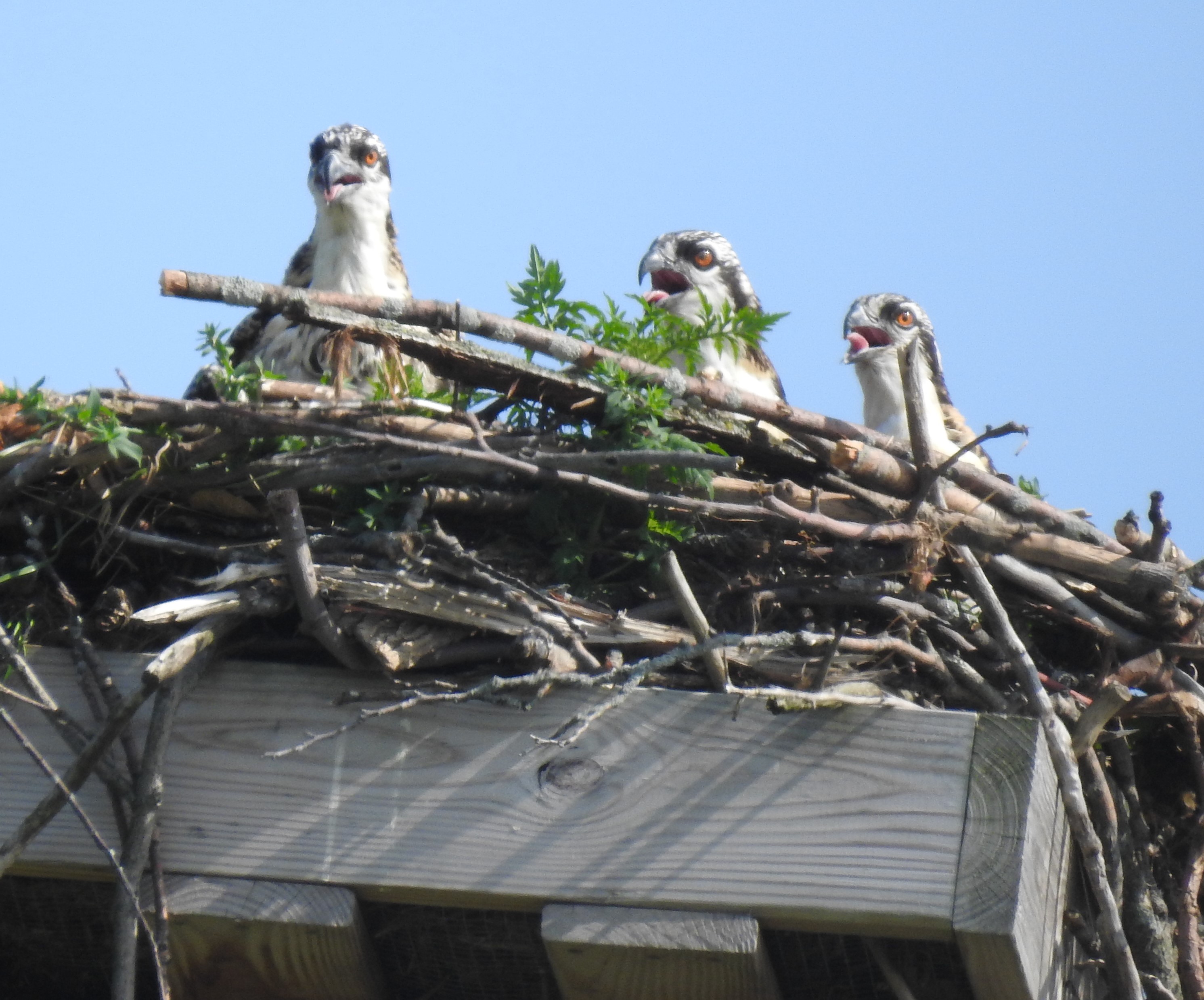
Osprey like to nest upon platforms, which is why utility towers located near a marsh, pond, or stream soon become prime osprey real estate. The nests are used and reused year after year, maybe or maybe not by the same osprey family but certainly by other osprey, who repair and improve them to their own liking. The nests can become pretty big real fast.

Osprey eat fish, fish, and only fish. Which is why they are also called fish hawks.
Great blue herons also number among my high-placed friends. No platform nests for them; the great blues prefer to build in the V formed by intersecting tree trunks and branches.
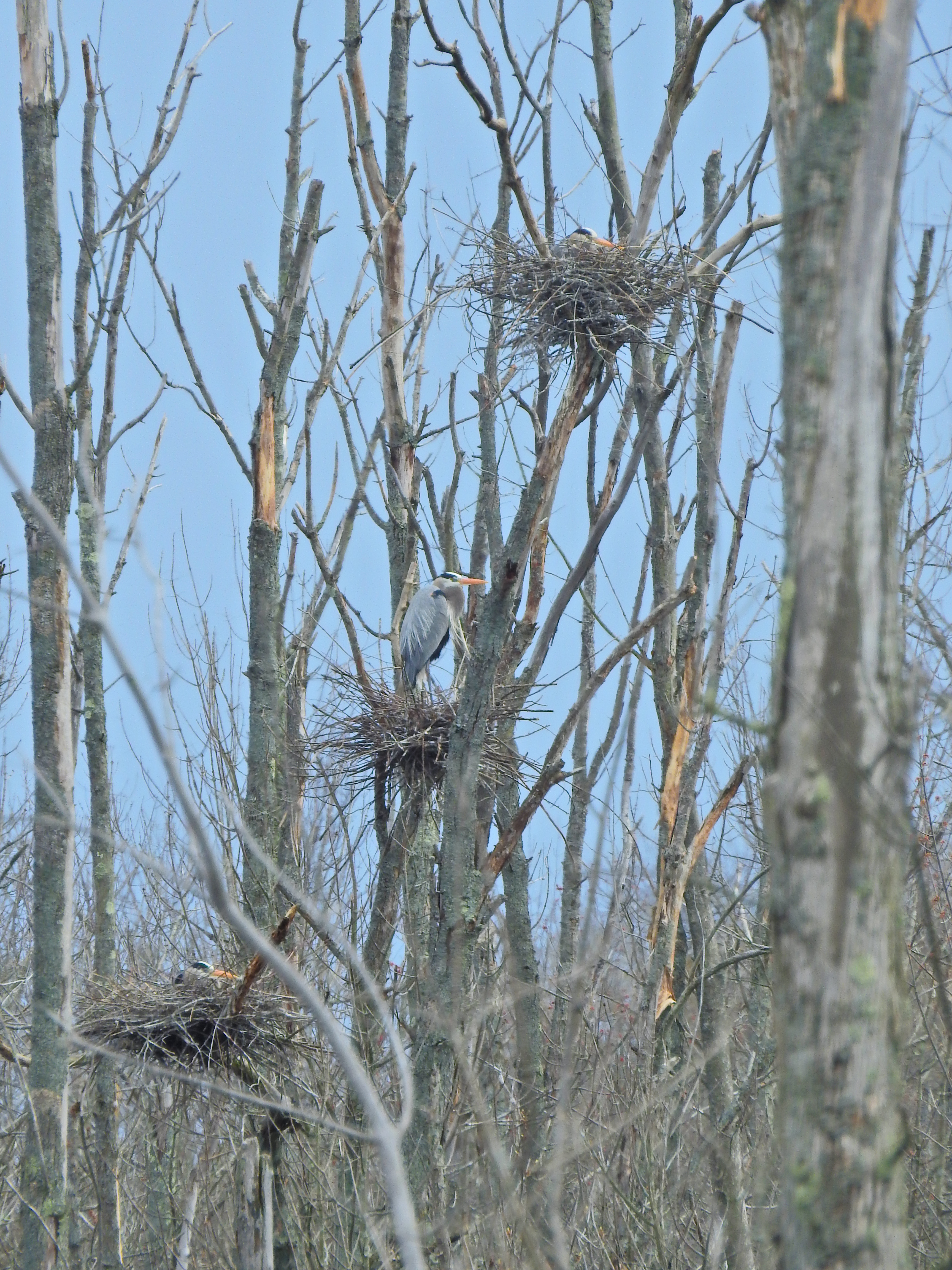
Like ospreys’, herons’ nests are permanent structures, unless they blow down in a windstorm or if the host tree falls.
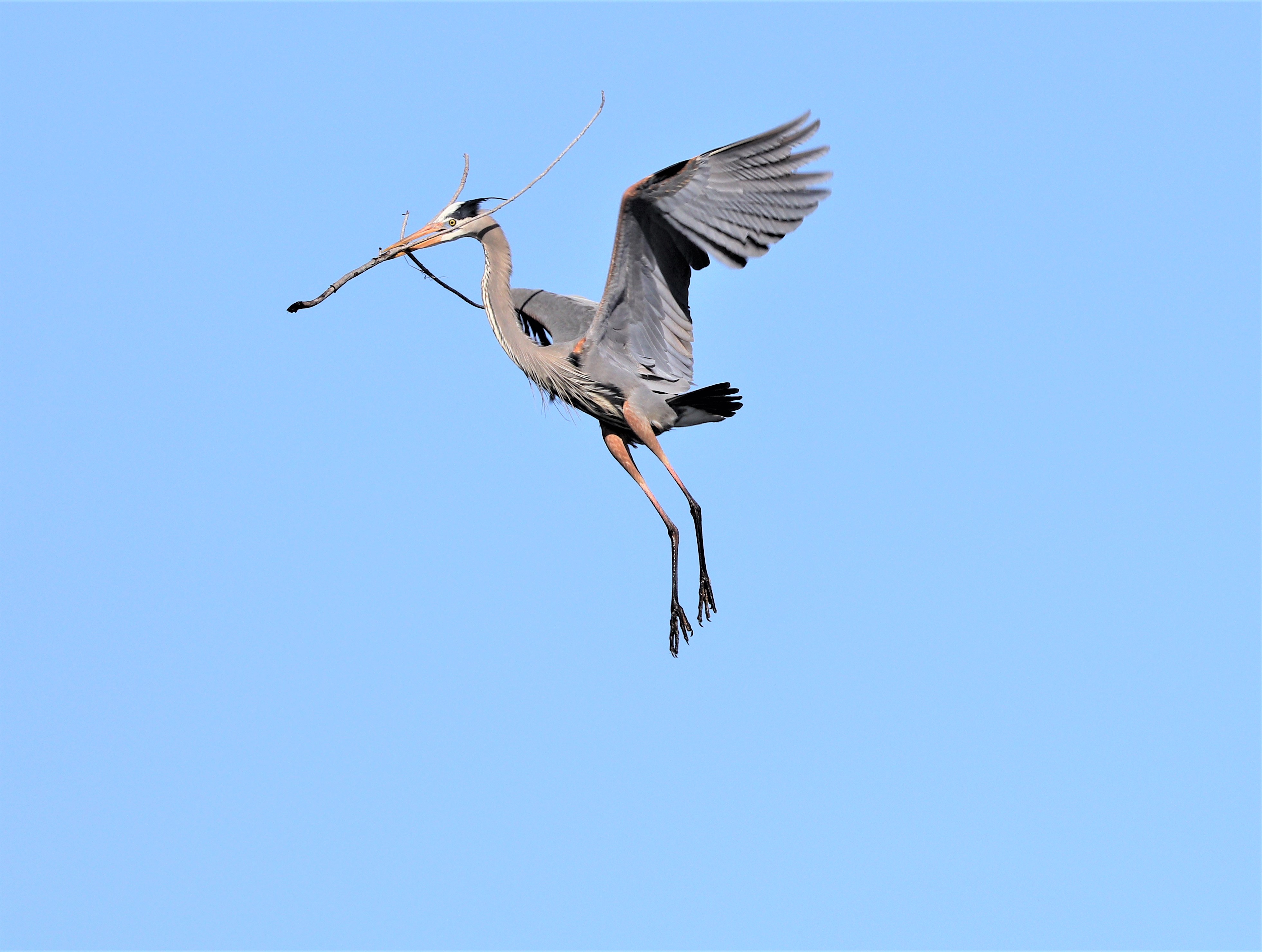
Great blues may lay claim to an existing nest or may start up a new one all their own; in any event, nest building (and rebuilding) is part of the great blue heron courtship ritual. It’s so beautiful, I could watch for hours as male herons search for suitable twigs and branches — some from a nearby forest and others from a nearby nest! — to impress his lady.
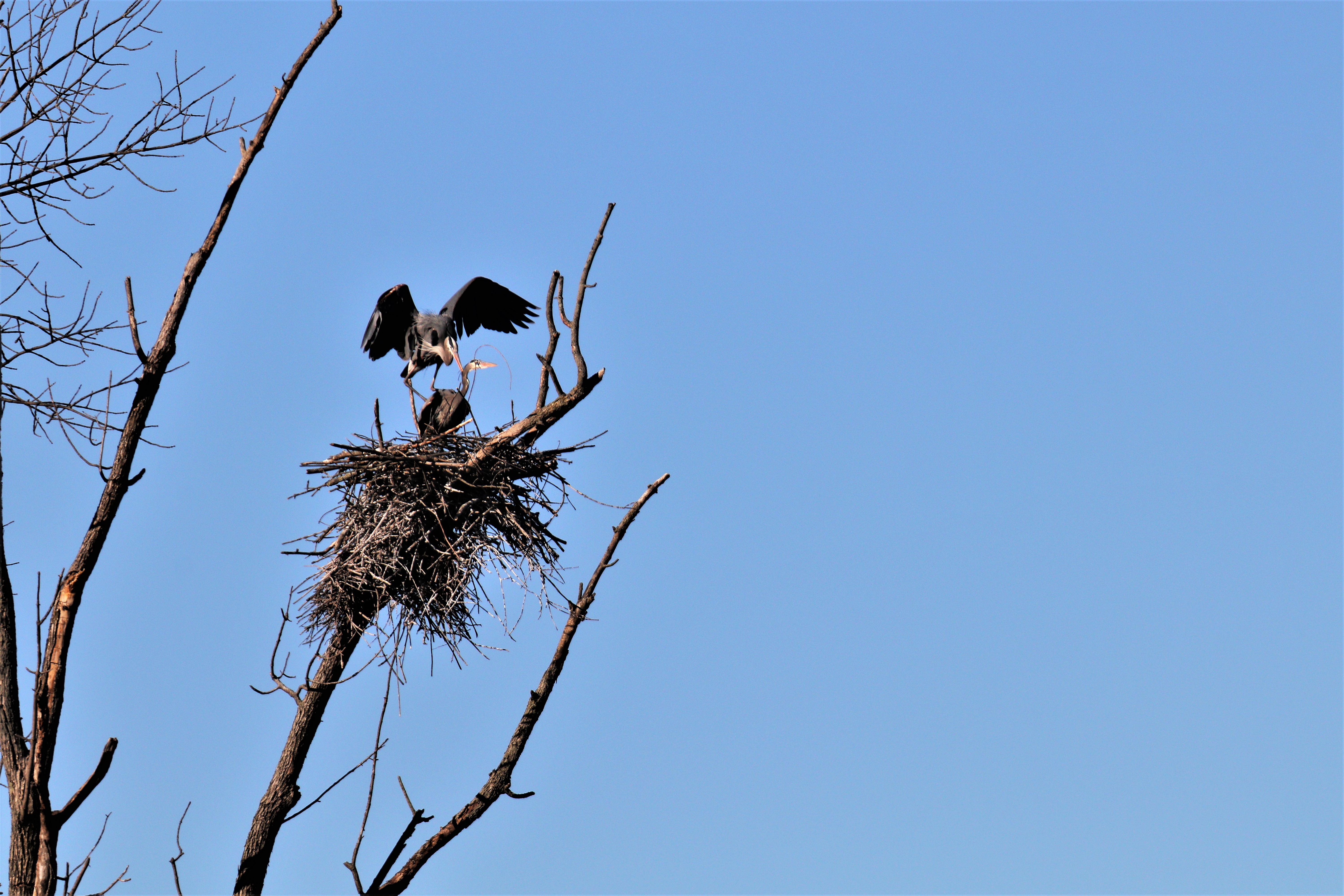
I’ve written something about this in another essay on this blog after observing one enterprising young fellow surreptitiously de-construct another heron’s nest in order to build his own. Amusing for sure. . .as long as you were not the other heron.
Great blues are numerous up here. I’ve found rookeries in some of the strangest places, including one at the edge of a suburban housing development in Penfield and another off the side of the busy New York State Thruway. Just about any marshy area with a cluster of trees, dead or alive, might support anywhere from 3 to 15 heron nests.
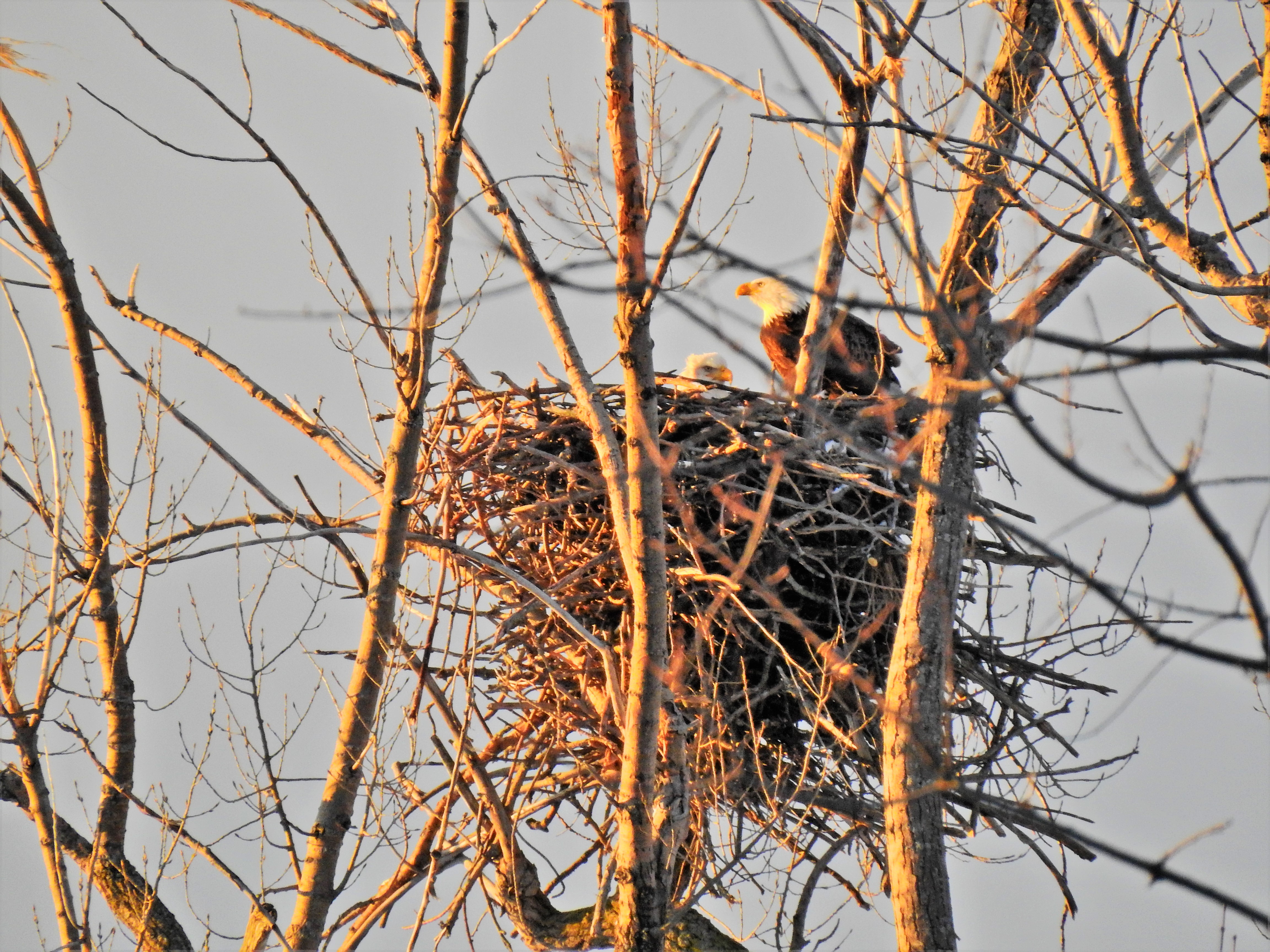
I am counting more and more eagles among my friends in high places. This year I’ve come across 6 nests, 3 more than last year. I’m sure there are many more, but they are hard to find and difficult to access. When the DEC discovers them they construct (or have the landowner construct) barriers around them at 330′, and if the eagle activity can be easily seen, the barrier must be double that.
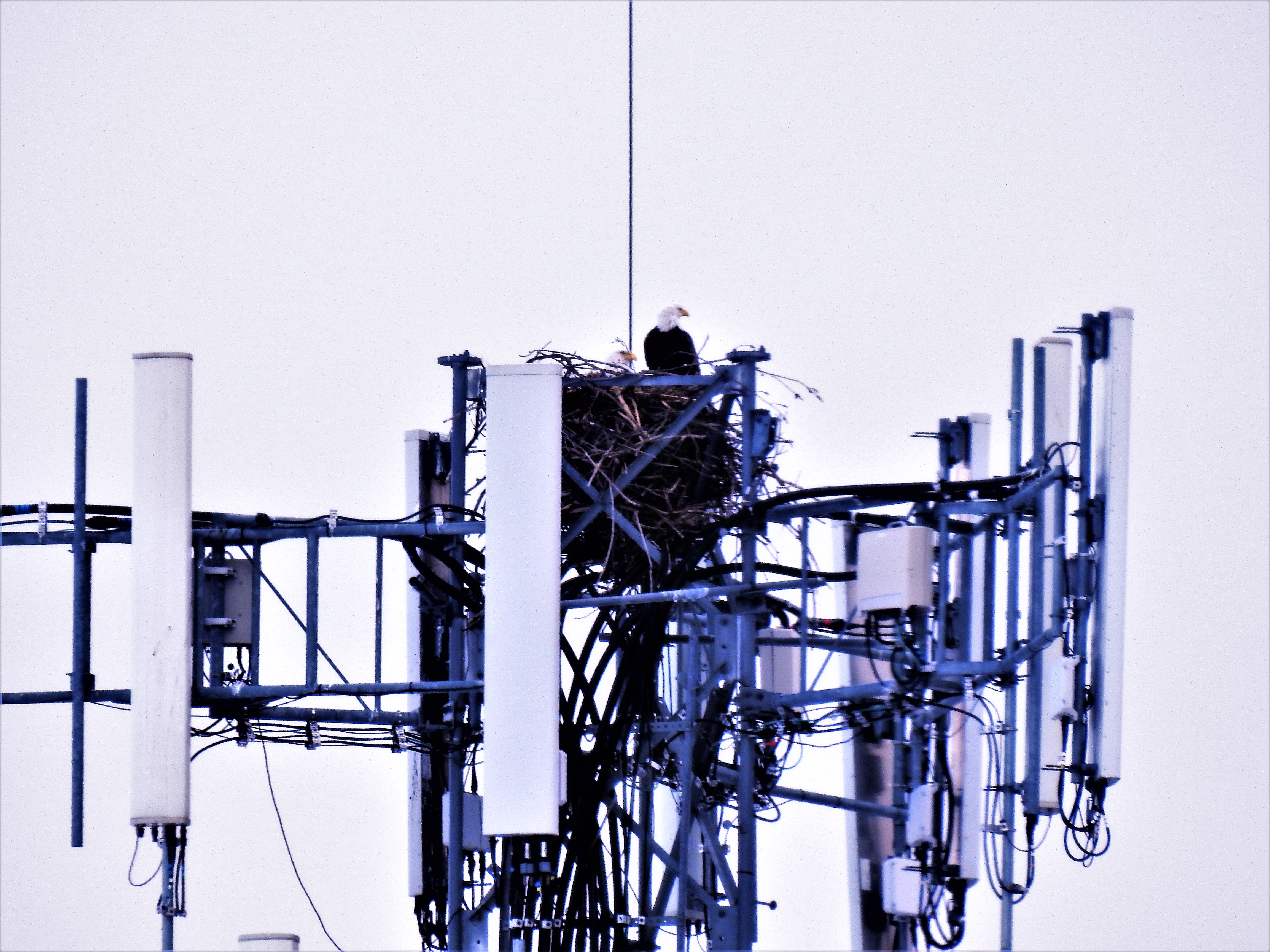
S’OK, though, eagles are pretty smart. They choose to nest in areas that are essentially self-secluded, either by impassible land, bodies of water, or both. Two of the nests I am following are visible from the roadside but require a long lens to view — they are about 1000′ away, protected by a swampy area that itself is protected by a large ring of perennial mud. And here’s another, squatting in an osprey nest!
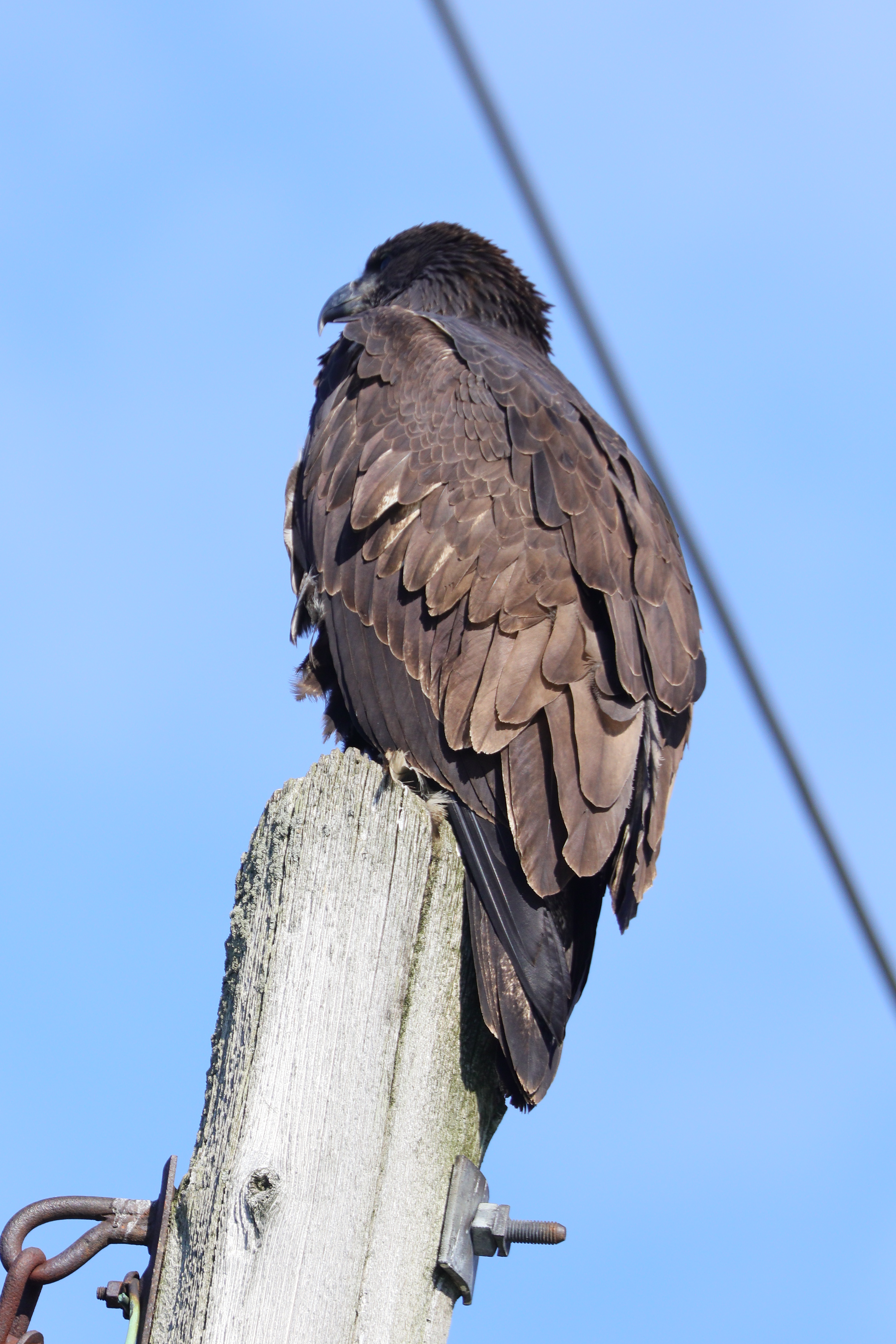
The eagle population was nearly decimated in the U.S. in the 1970s, primarily by the overuse of the pesticide DDT. The story of Montezuma and its pivotal role in restoring this population has been told many times but is summed up quite nicely by the NYS Department of Environmental Conservation (https://www.dec.ny.gov/animals/9380.html).
That program increased the eagle population from a single known nesting pair in 1976 to 10 pairs in 1989, when the program ended. A real and ongoing success, which is confirmed by more recent numbers. Ten years ago (2010) the DEC counted 220 bald eagle nesting pairs; no doubt there are even more today.
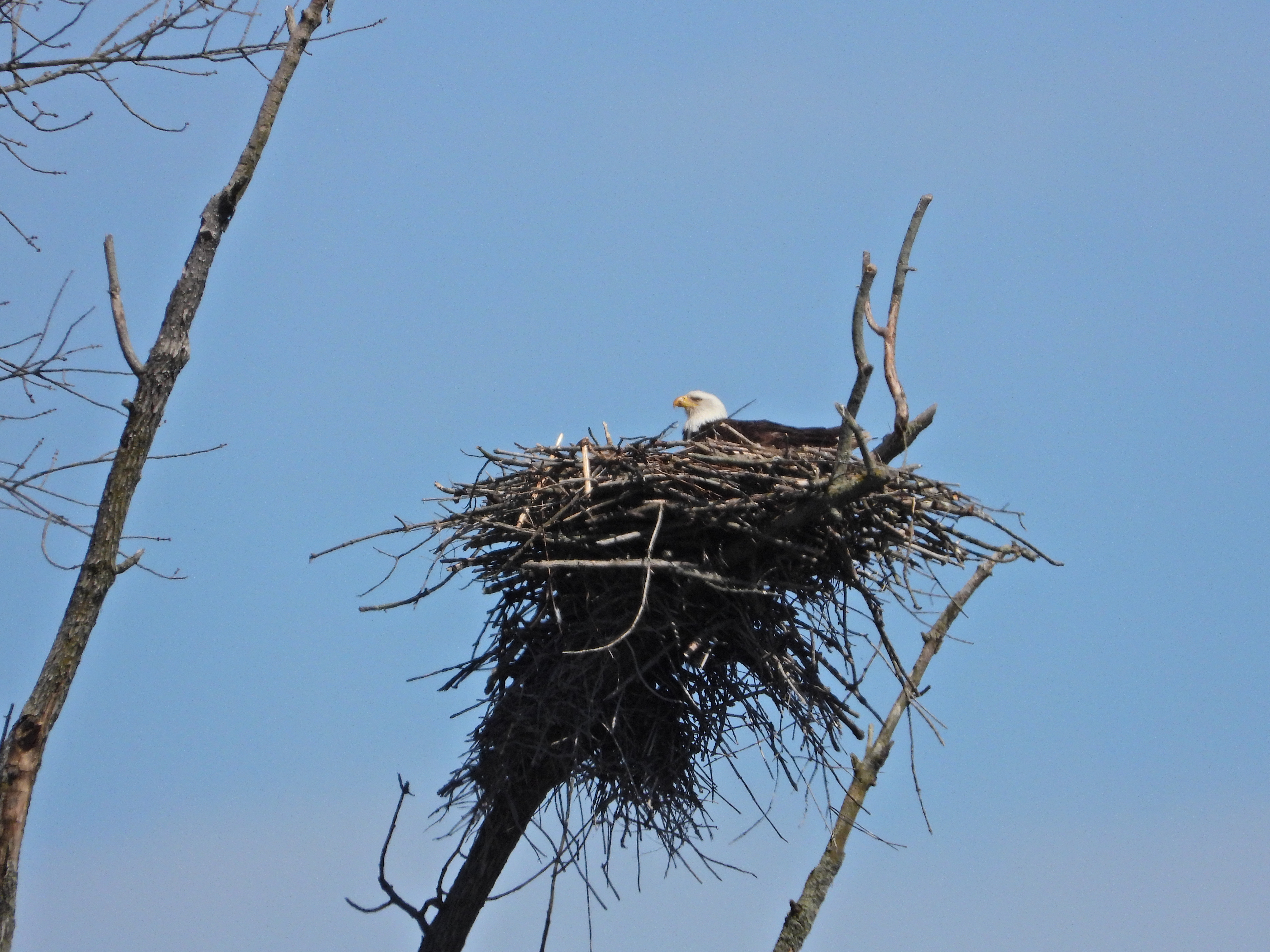
Eagles, too, will use and reuse older nests — even if the older nests aren’t exactly eagle nests. Last year I saw an eagle family squatting in an osprey nest, and this year another eagle family has settled into a heron nest. I guess they don’t encounter much opposition, since eagles begin nesting weeks before osprey and herons return to their western NY homes, and by the time they do arrive it’s way too late to kick out the squatters.
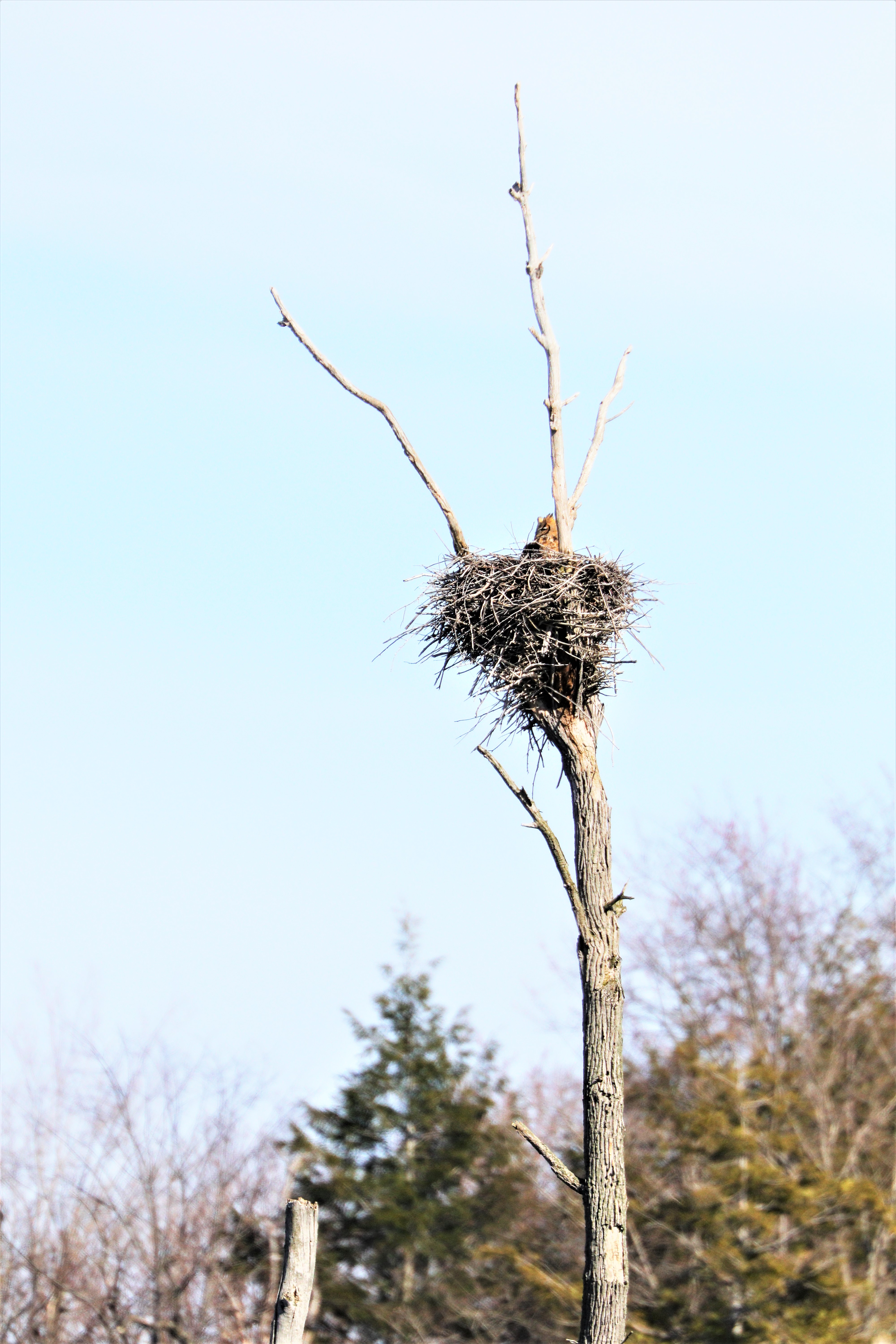
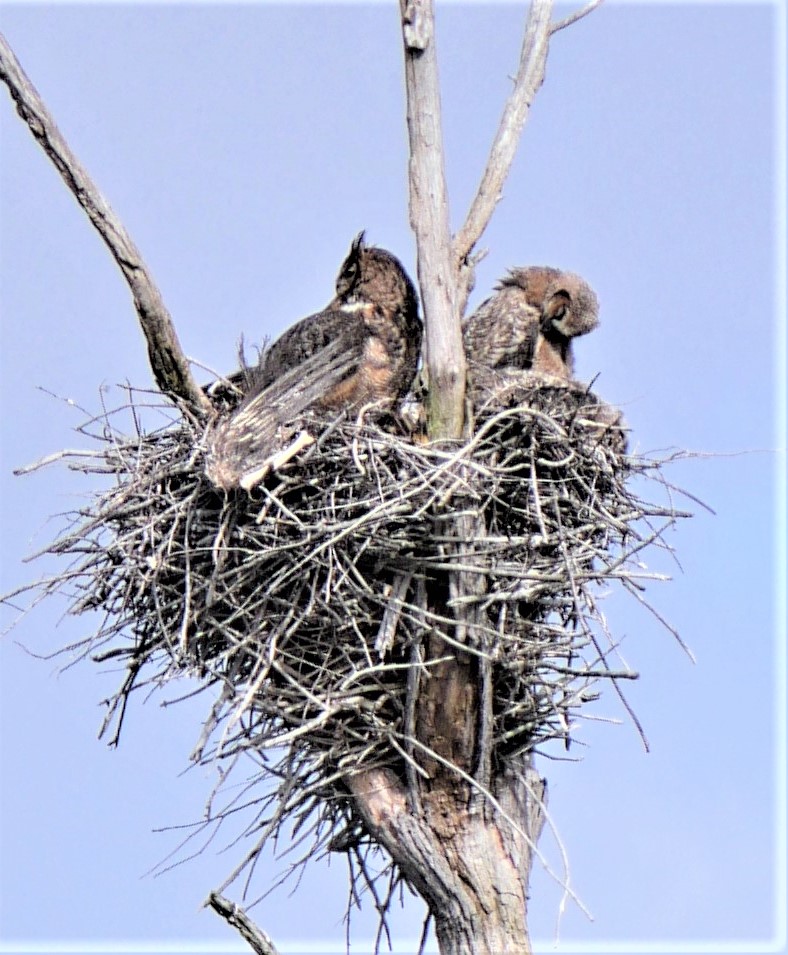
Owls do the same thing. Why bother with nest-building when you can use someone else’s? I was intrigued to see a great horned owl tending a nest at the heron rookery at Sterling this year, although the resident expert, Jim the Wandering Naturist, tells me this has happened regularly in years past.
It was fun following the progress of the three little babes, who rather quickly grew into three big babes — all of whom enjoyed a feast of goose before fledging the nest and heading off into the nearby woods.
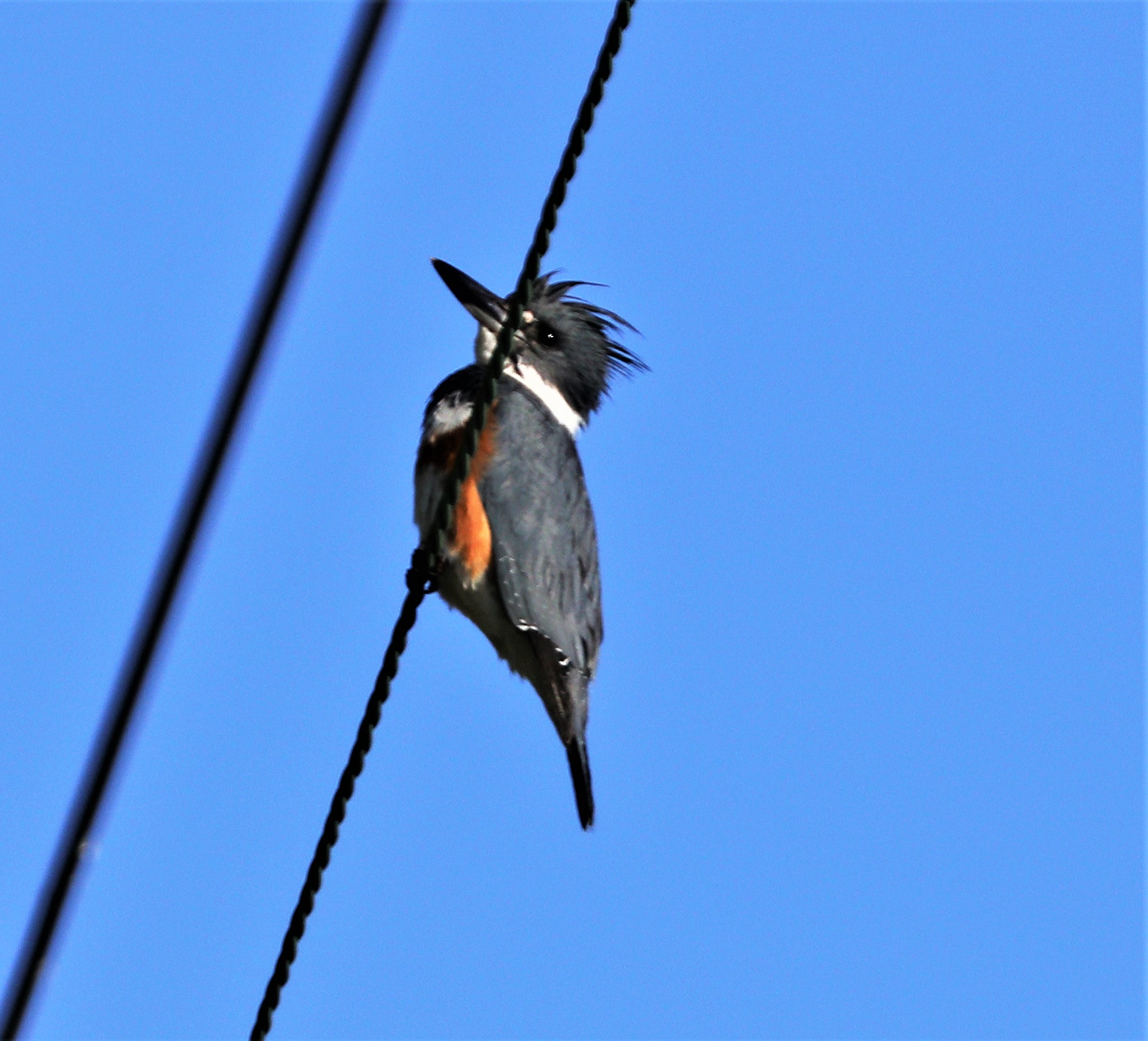
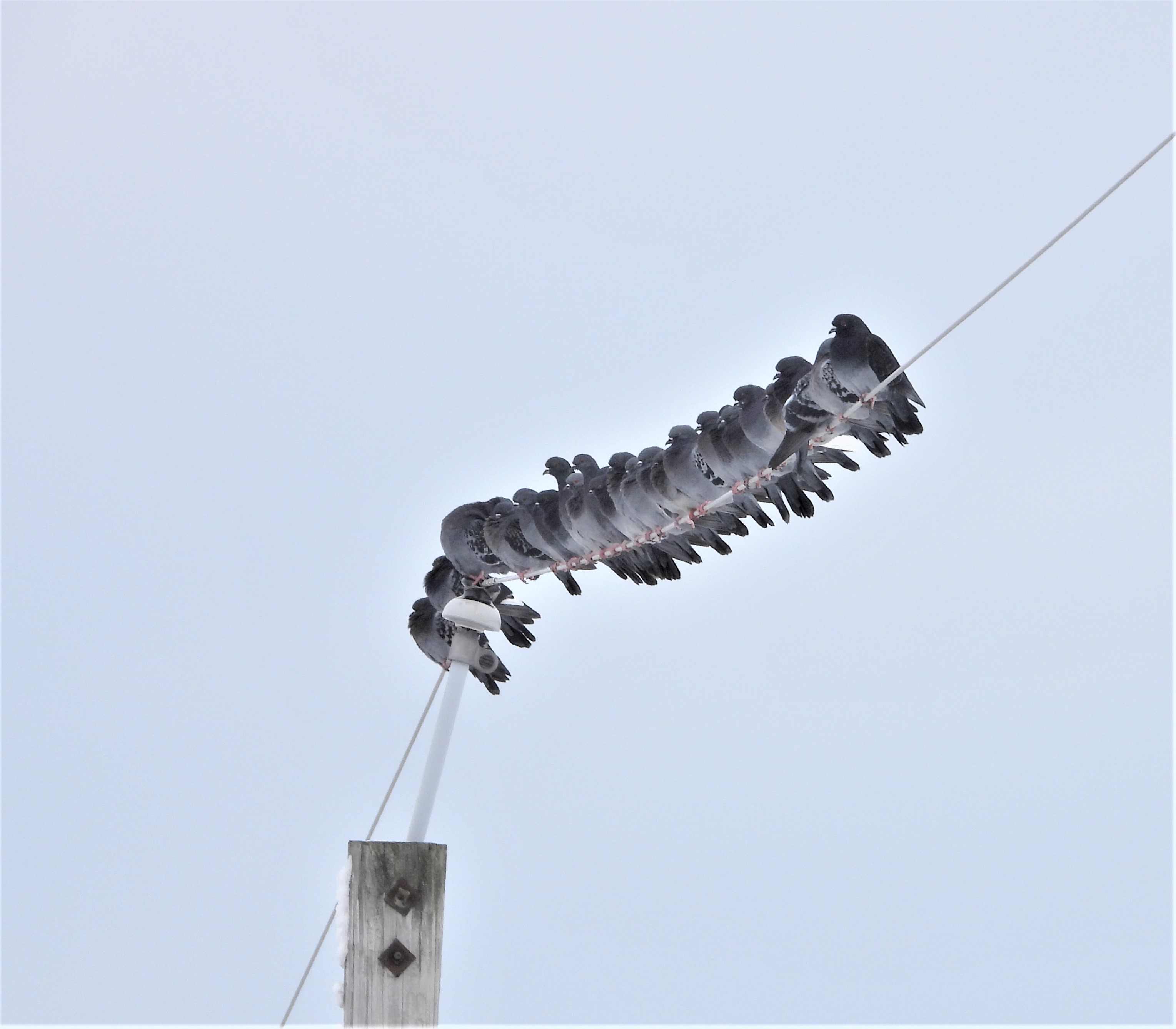
I have lots of other friends who utilize high places even if they don’t live there. You may consider utility poles and wires a bothersome intrusion in the wetland environment, but I don’t. They make great rest stops and observation towers for gulls, hawks, eagles, and even songbirds.
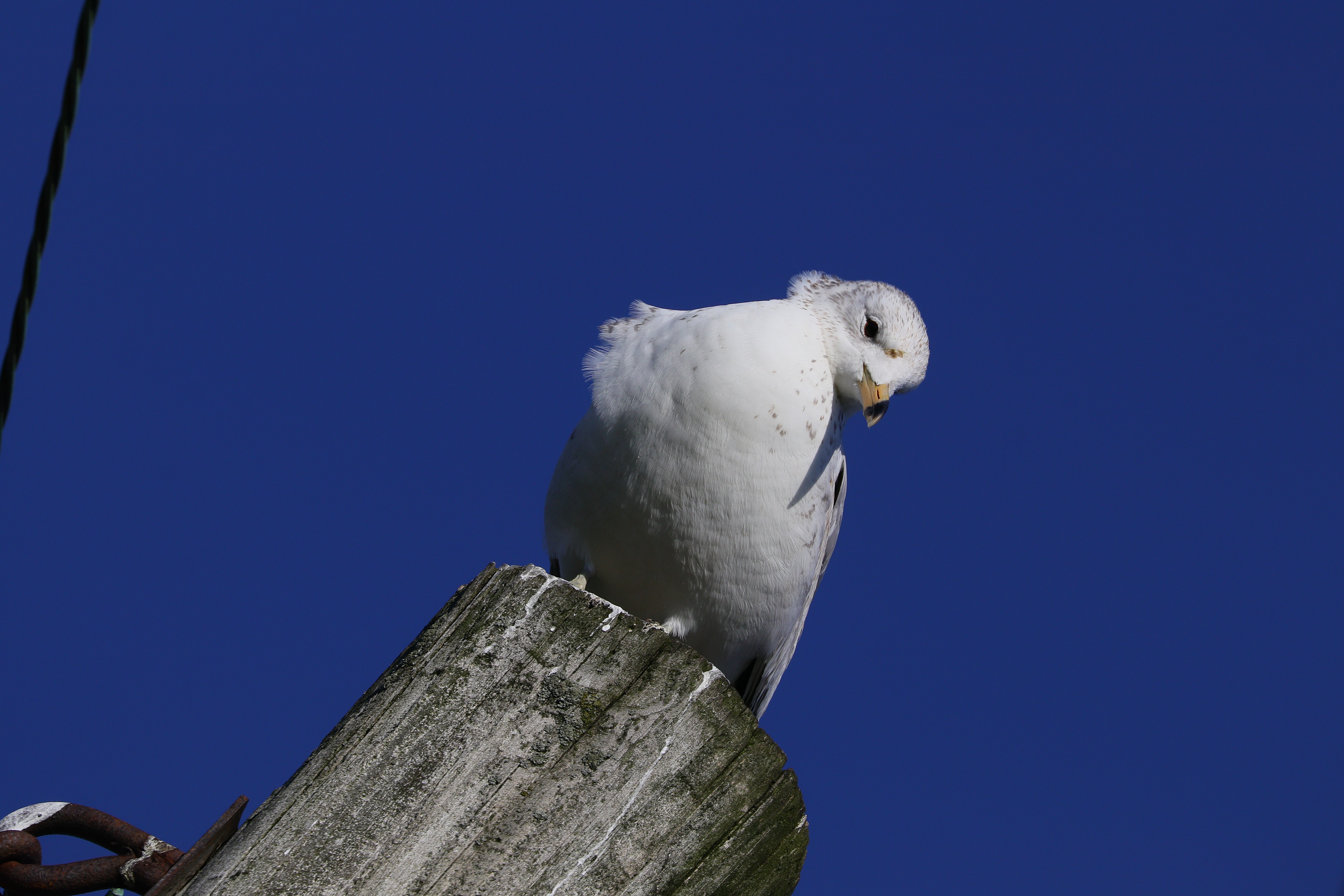
I don’t think Garth Brooks will bother reading this blog, but if he does I have a message for him: Look up! That is where you will find friends in high places!
More friends in high places:
(published May 24, 2020)
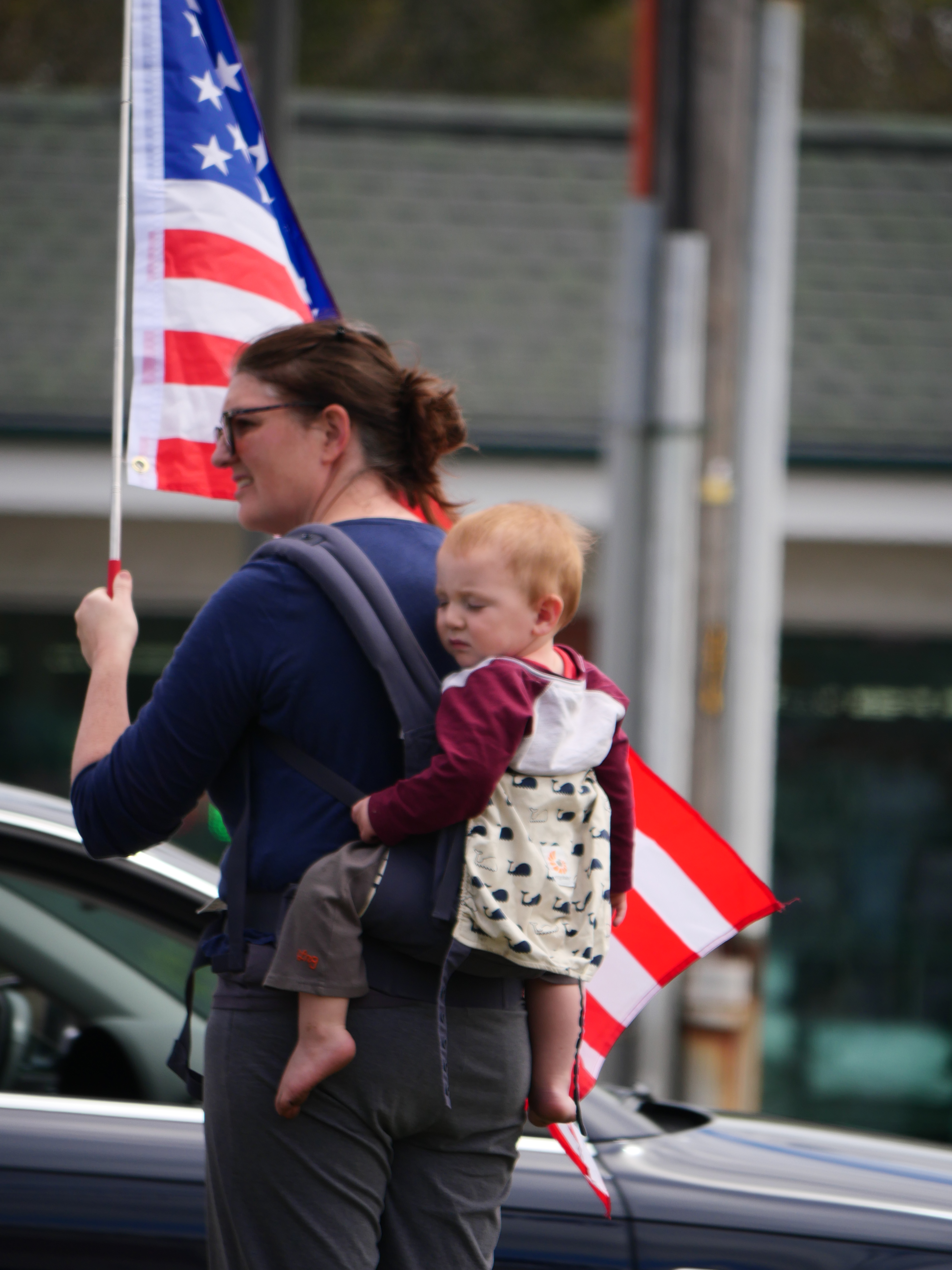
Human nature. I ran into some of it yesterday.
Weird.
Nobody likes being told what to do or when to do it, especially me.
But these are hard times. CoVid-19 is a thing unknown. Extremis malis extrema remedia, no?
When I left work yesterday around noon, horns were honking and cars were gathering in the shopping center parking lot across the street. “Oh,” I thought, “they must be having a graduation parade for the 2020 seniors.”

They weren’t.
They were gathering to protest the continued closure of much of New York State due to the Covid-19 pandemic. This was one of several gatherings sponsored by — not sure if “sponsored by” is right, maybe “affiliated with” is a better description — a group called #RestartingRoc, members of which, according to at least some of the participants, include fans of the conservative Shannon Joy Show (Radio AM 1180), local Trump supporters, and “WxLive,” hosted on Facebook by former Channel 10 weather forecaster Jeremy Kappell.

It didn’t surprise me that the event defied the statewide ban on large gatherings because that’s been occurring on a regular basis in Rochester — and not for just protests, either. But I was surprised that protests like this continue even after parts of New York State, including the counties here in western New York, have already begun the first phase of reopening. And Monroe County, where this event took place, is one of them!
I am not sure how I feel about protests like these. Rochester has already begun opening, so it’s not clear to me what they wish to accomplish.
I understand that many New Yorkers have been hard hit by the corona viral illness as well as the personal, social, and financial sequelae of shutting down the state in order to contain it. I admit to being quite irritated with Governor Cuomo for issuing statewide restrictions designed to protect the concentrated populations downstate but doing little besides aggravate and unnecessarily restrain those of us in the hardly contaminated upstate. And I am a firm believer that the last thing our health care system needs right now– or at any time, for that matter — is a bunch of politicians telling it what to do.
Furthermore, I count myself as part of Team Kappell, because it is my opinion that Mr. Kappell got a dirty deal from Channel 10 (who bowed to political intervention) AND the courts (which are slanted in favor of employers. . .even bad employers).

However, I am not one who believes that all news is fake news unless it pleases the political far right and/or originates on the Fox network, and I am fairly certain that the healthcare directives, although issued by politicians, have emanated from studies conducted by trained and trustworthy scientists. For those reasons I do wear a face covering in public. It doesn’t matter whether or not I believe in the science behind the executive order — smarter heads than mine have concluded it is valid. At worst, it causes no harm; at best, it may indeed prevent me (and others) from spreading the virus.

That is also why I preferred to observe the demonstration rather than participate in it. I don’t agree with President Trump (or his followers) that Democrats were making the novel coronavirus “their new hoax.”
More importantly, I don’t believe Mr. Trump when he says “it will go away,” the implication being that we need pay no attention to it. Oh, it will go away — but not without sickening and killing more Americans, Democrat and Republican alike — unless we face it head-on. Extremis malis extrema remedia, remember?
RestartingRoc has held similar demonstrations in the city itself and elsewhere. But the fact that this event was held in the rather expensive and exclusive suburb of Pittsford was surprising and a bit disconcerting. Pittsford Plaza and Trader Joe’s doesn’t exactly represent the people; they represent only some of the people. And the ones they represent aren’t the ones who are truly affected by the novel coronavirus and its extensive ramifications.
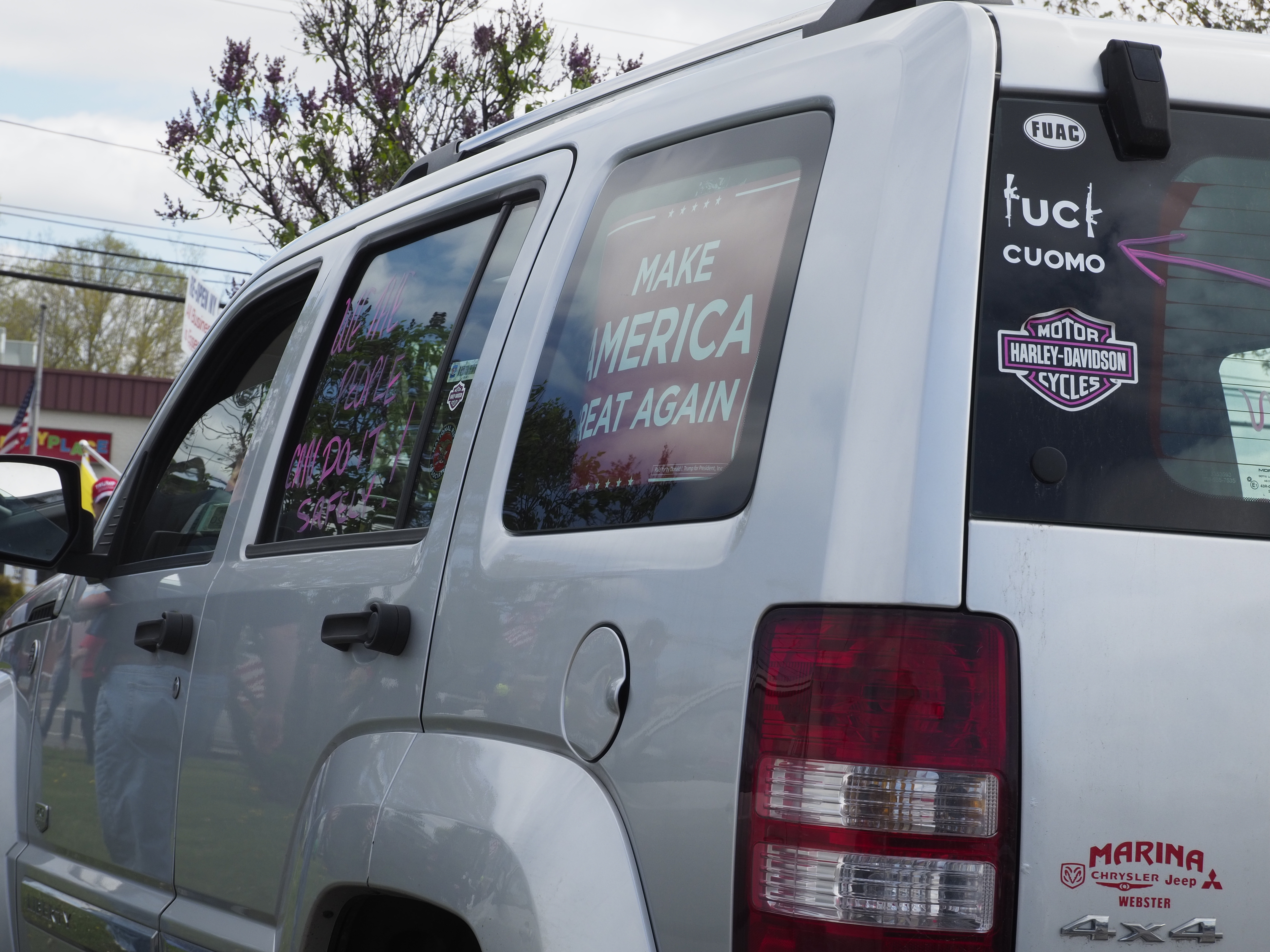
This event was a prime example of being a day late and a dollar short. Phase 1 reopening is currently under way, and an even more liberating Phase 2 is just two short weeks away. Yes, the shutdown was ugly, but the protests, in my opinion, are even uglier. I don’t see how our inherent God-given rights have been trampled upon. . .unless we are talking about our “right” to infect others with a disease that could result in death, and besides, I’m not sure if that is a “right.” Nor do I believe that irresponsibility is a “right,” even though Health and Human Services Secretary Alex Azar thinks it is “part of the freedom that we have here in America.”
I agree that a great many of us made some social and financial sacrifices that we wouldn’t have made without an executive order, but branding that order as tyranny or communism is just a little bit extreme. We weren’t asked to go to war and kill others; we were asked to wear a mask so we don’t kill others. And besides, Roc was reopened before this rally took place, so what’s the point?

I guess I just don’t know.
Sigh.
Well, I had a lot of fun watching, listening, and asking questions, and I got to try out my new distance lens, a Panasonic Lumix G Vario OIS 3.5 – 5.6 100-300 as well as my Olympus 12-60.
Following are some additional photos taken from a safe distance across the street.

In case anyone was wondering, it was across the street at McDonald’s golden arches where food and refreshments were available, Covid-19 notwithstanding, and I thank the employees who allowed me to loiter a bit in their parking lot.


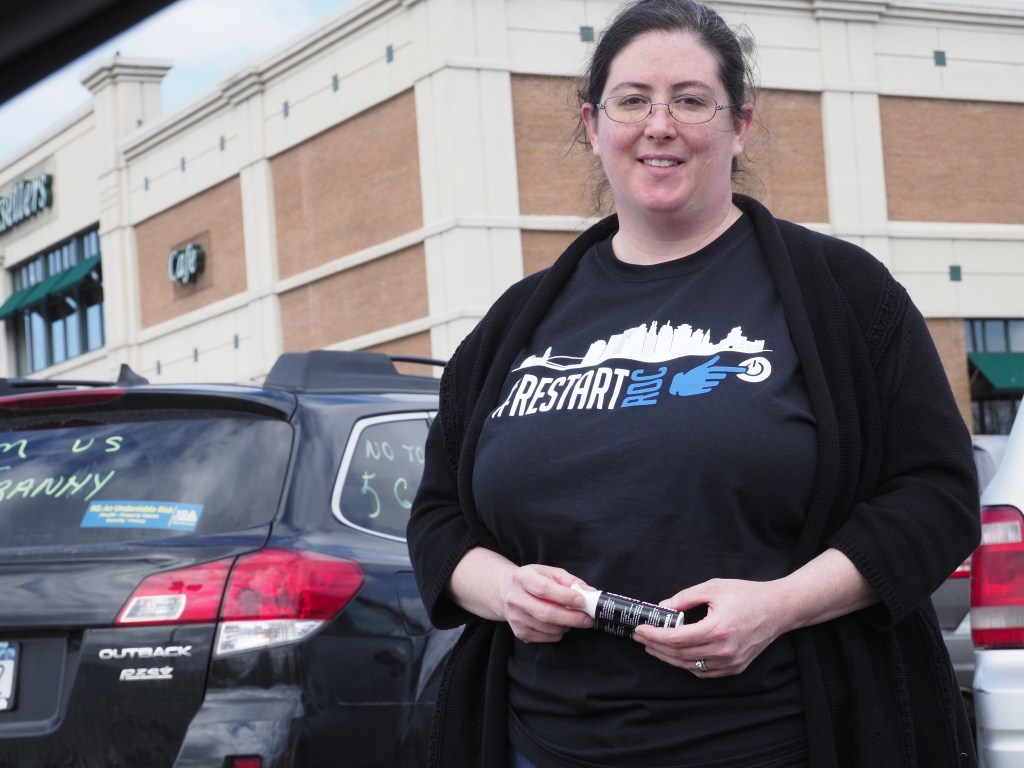
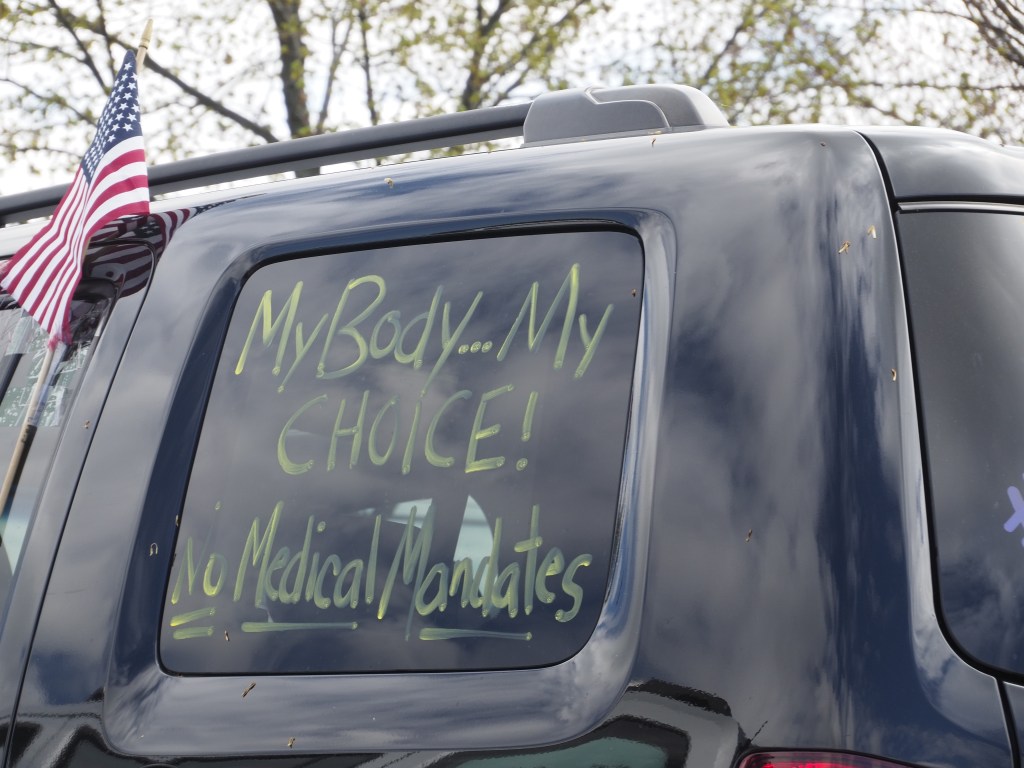
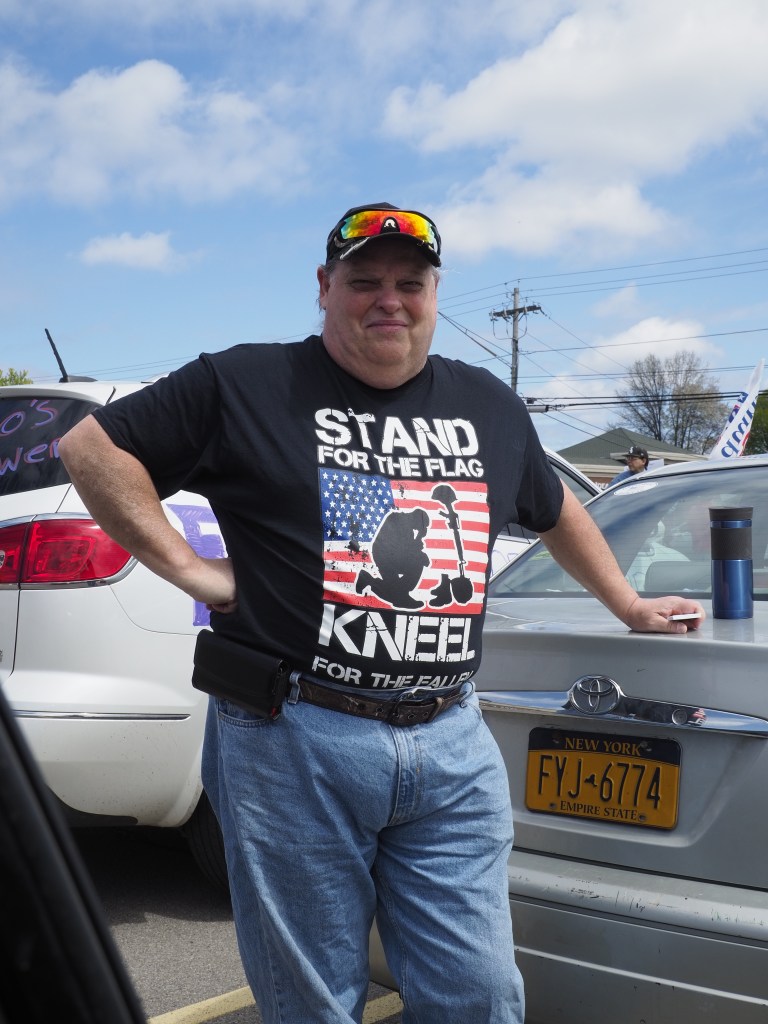


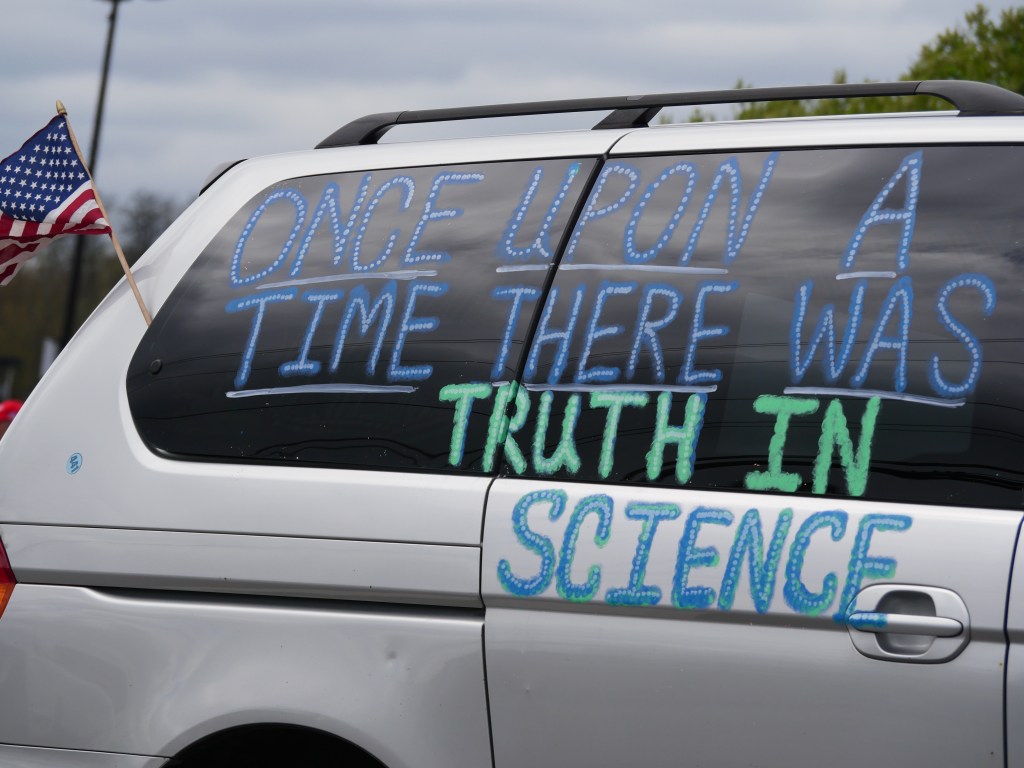
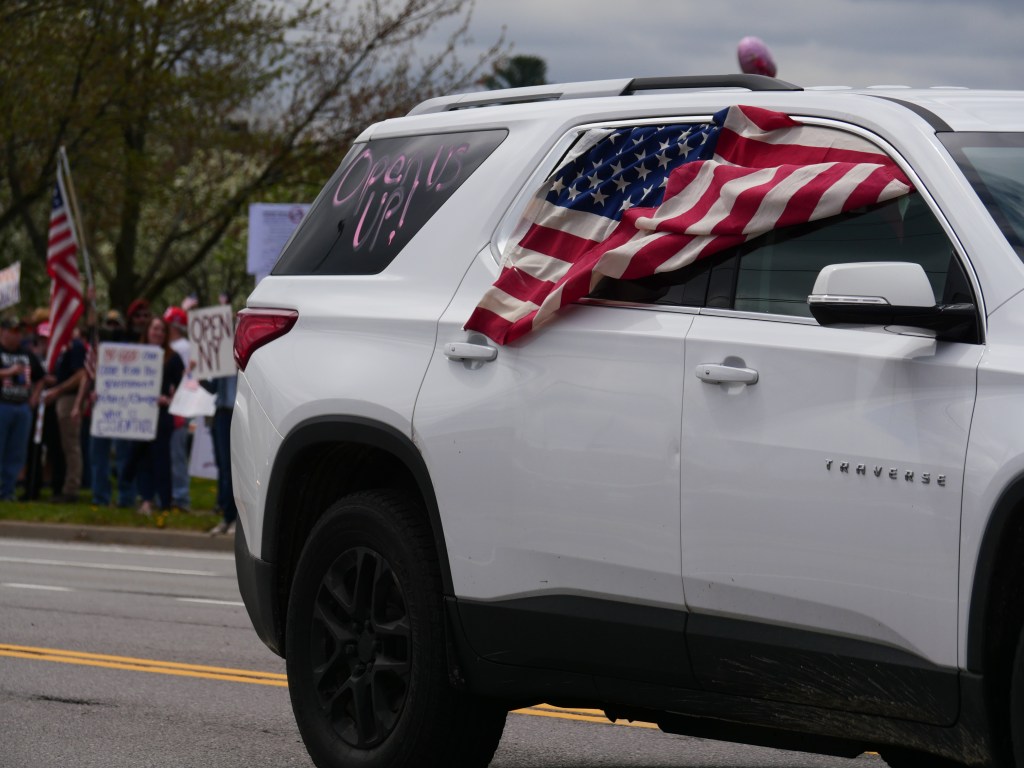

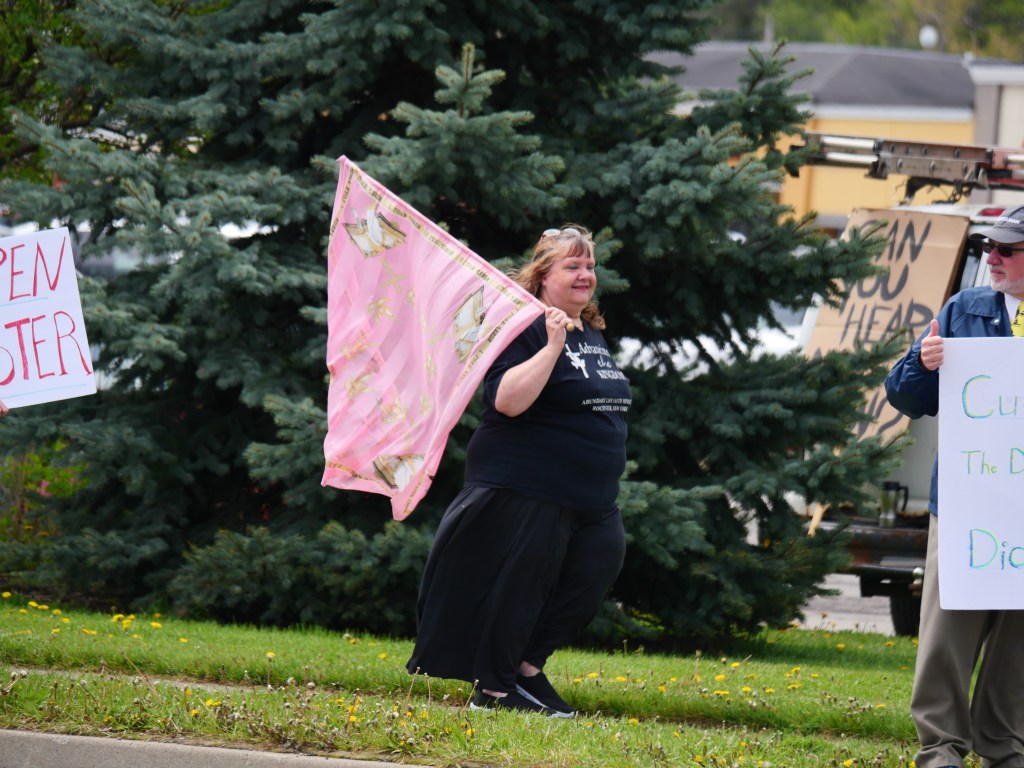
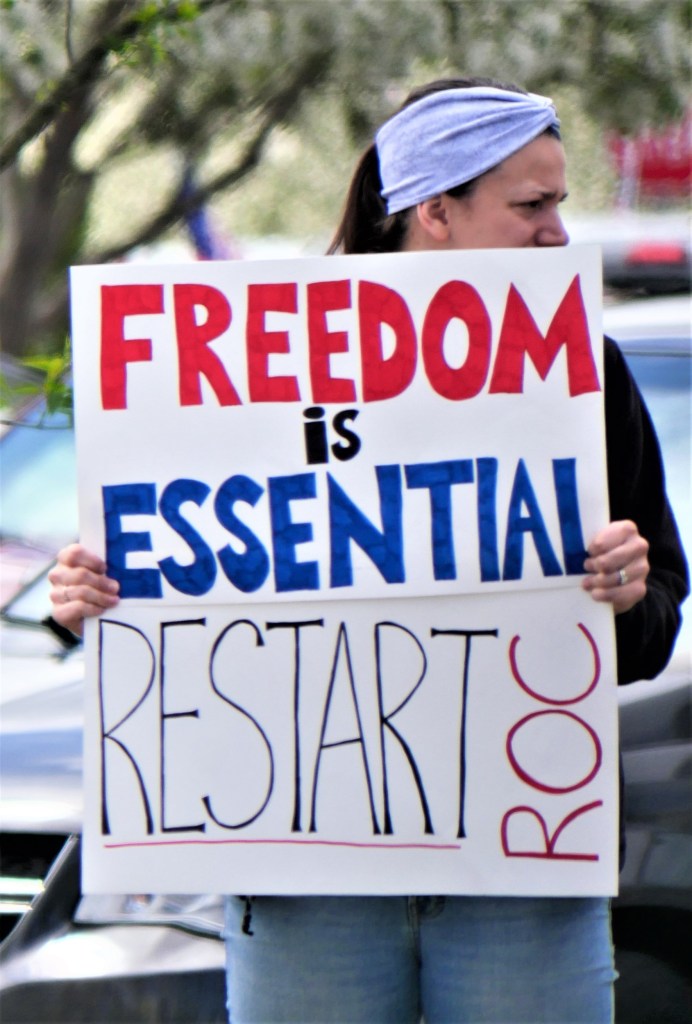

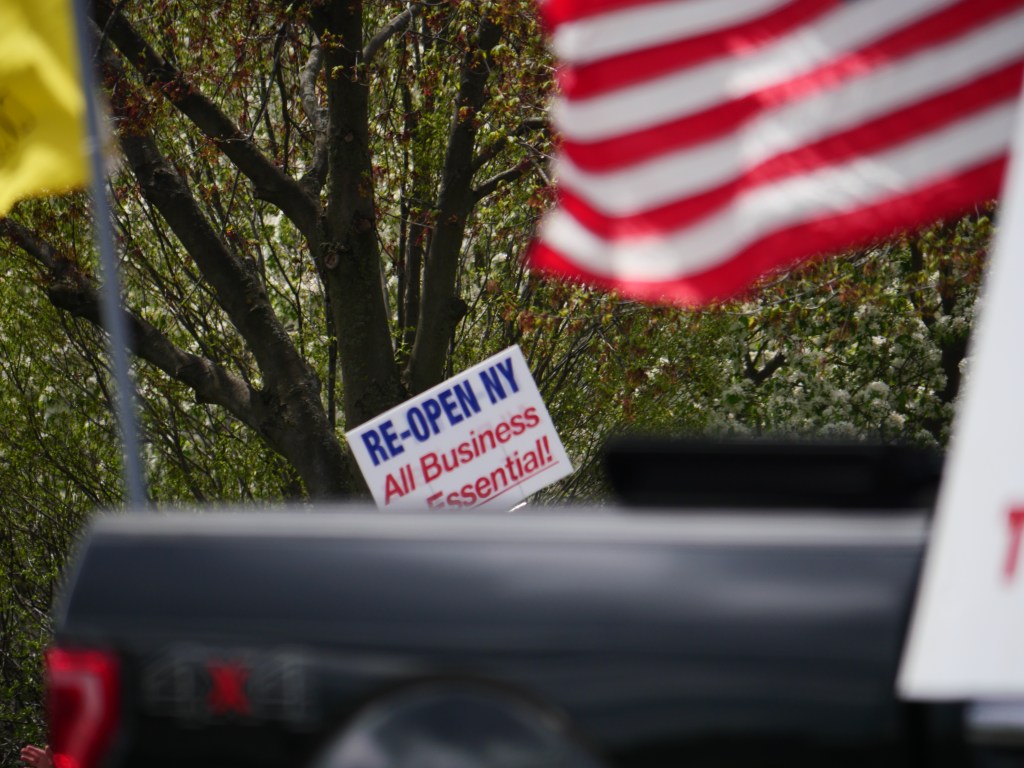

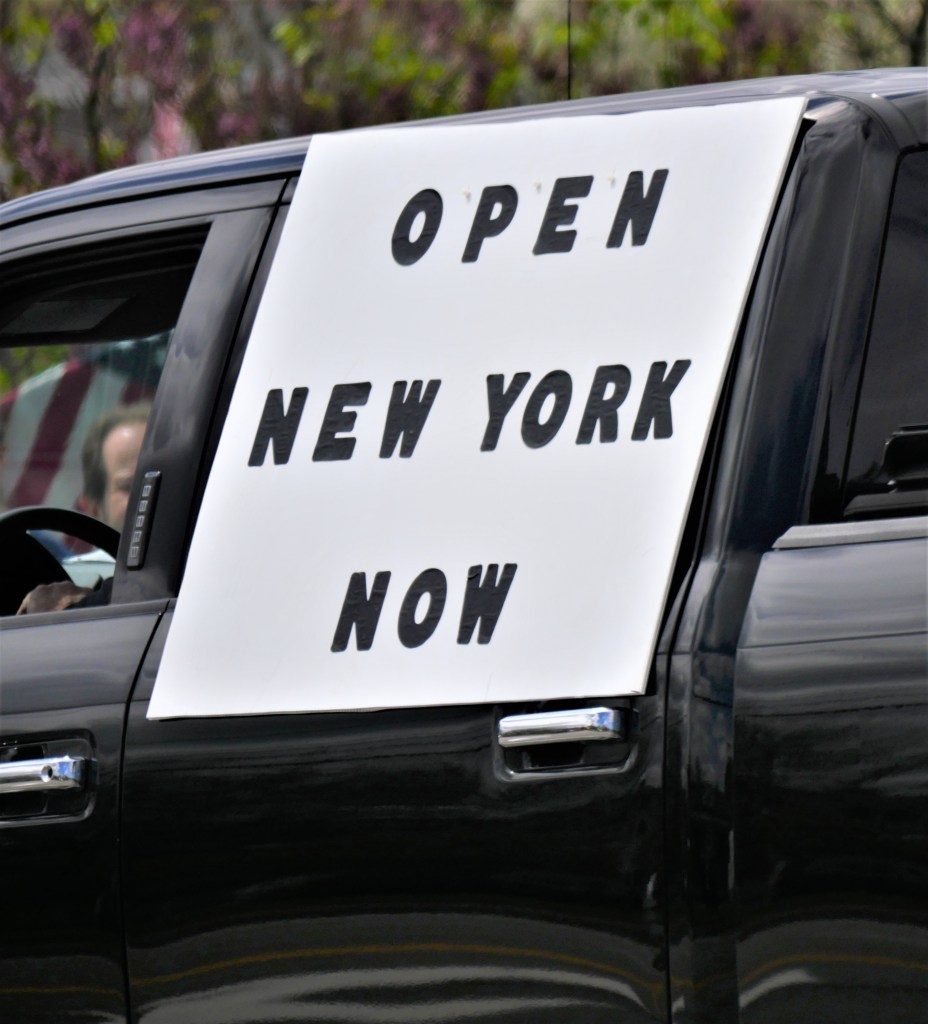

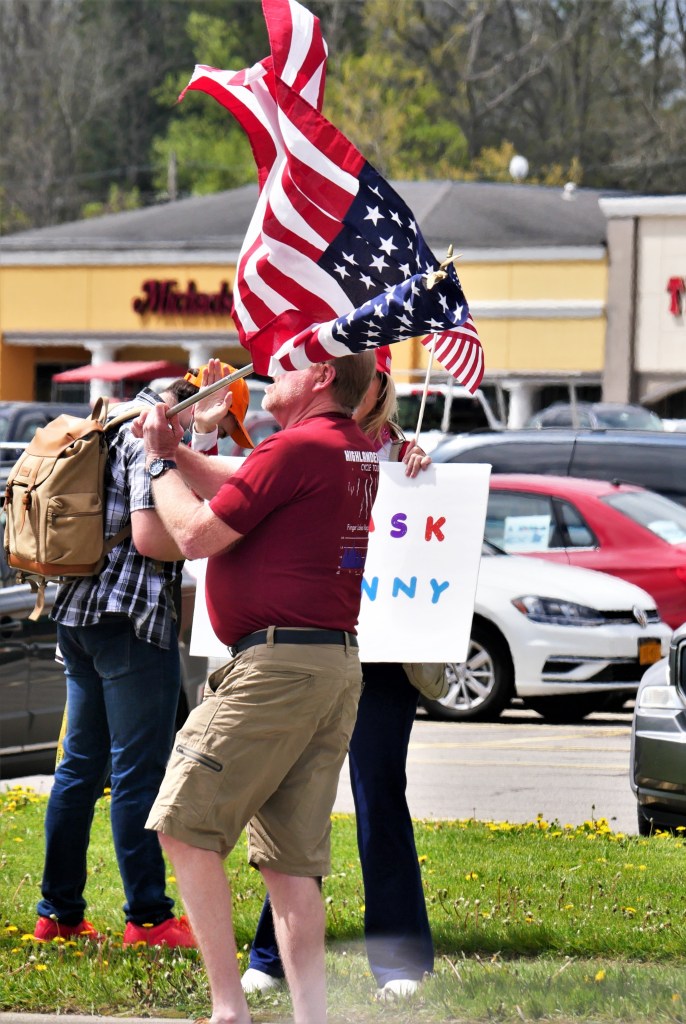



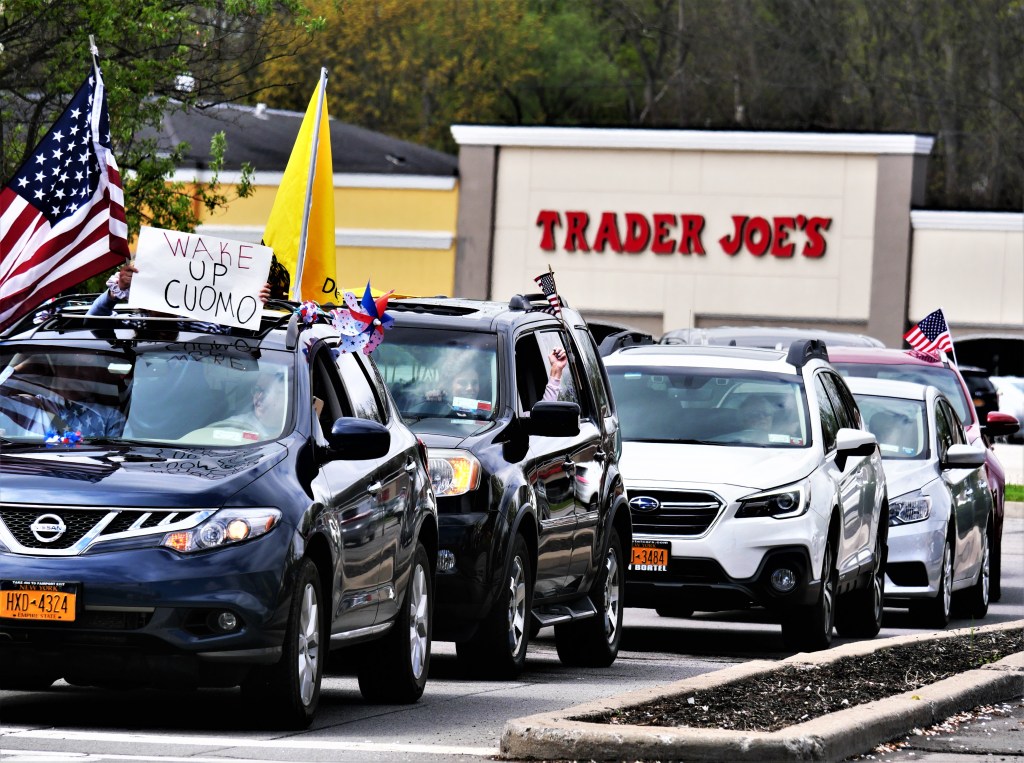
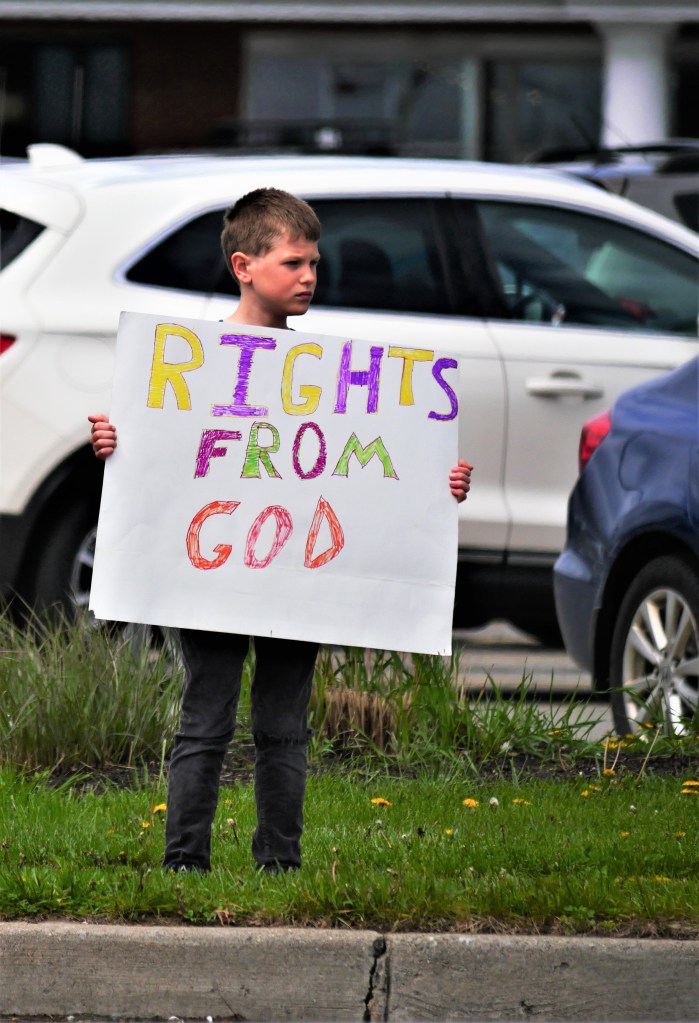
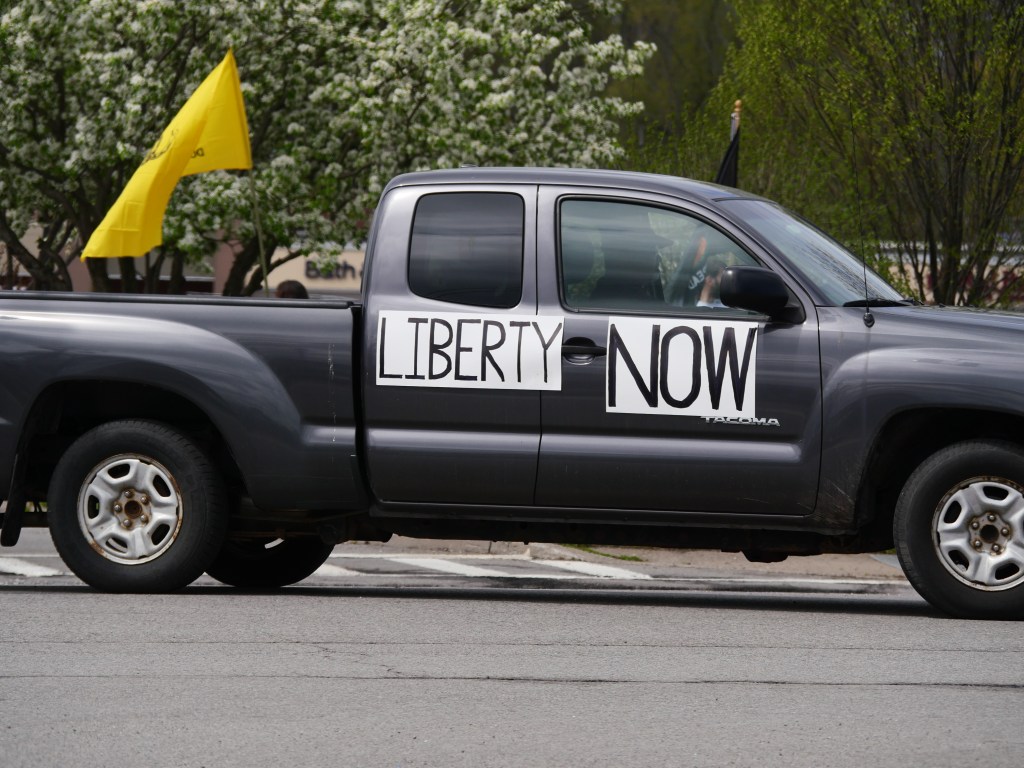
The protest was reported by Jeremy Kappell, who posted a video on his Facebook page:
(published May 17, 2020)
Was happily clicking the shutter button when the dreaded error appeared:
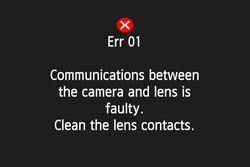
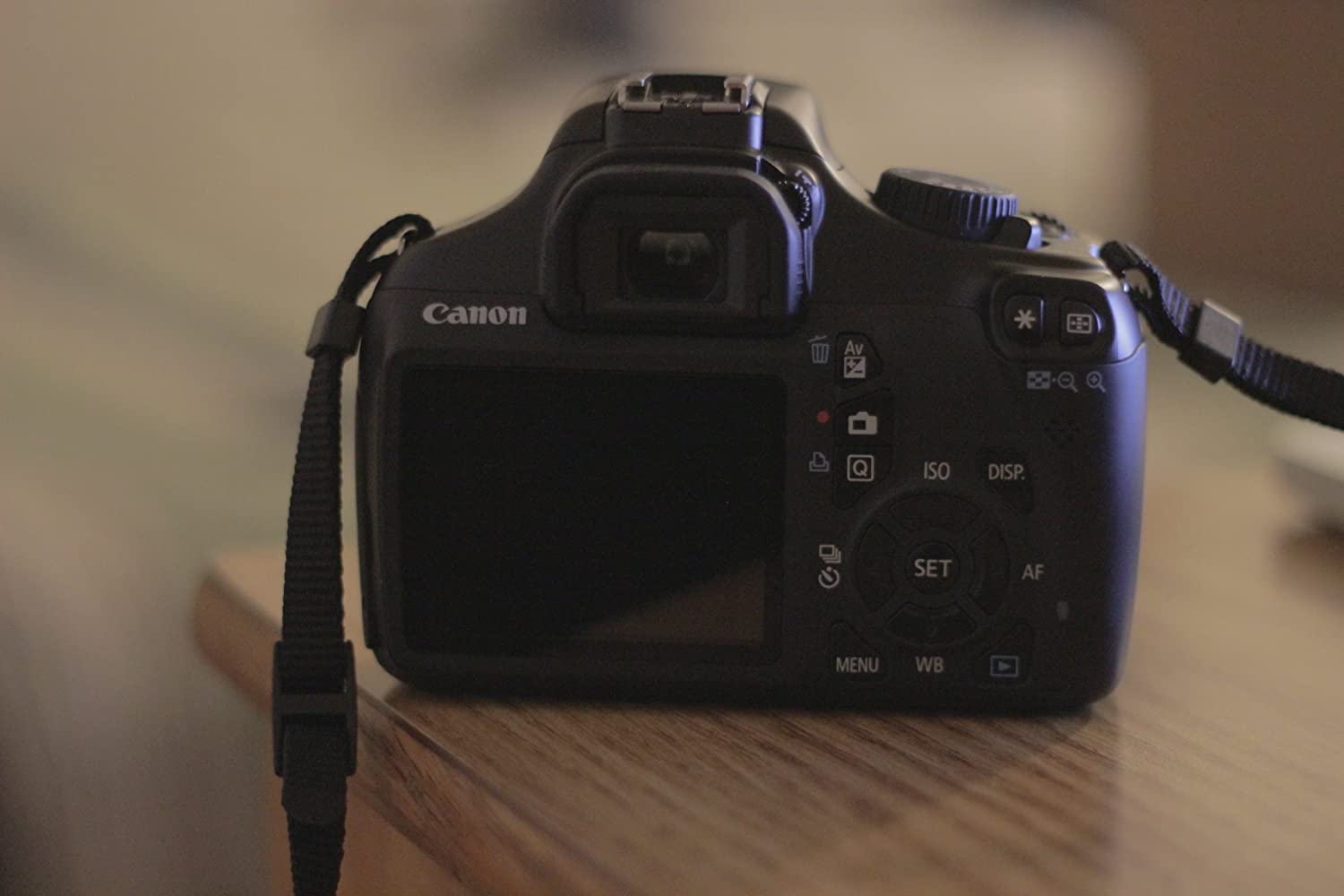
Easy enough, with a Q-Tip and some 90% alcohol. But the error message remained, even with the camera turned off. Removing and then reinserting the battery got rid of the message, but now I had a black screen.
The problem wasn’t the lens; it worked fine on the 77d. So, there I was in the middle of Rochester facing the awful truth: My beloved camera, with an ordinary flick of the shutter button, had suffered the equivalent of a massive heart attack. It was dead.
My beloved 1100d! Oh, I know it has only 9 focus points and a mediocre 12.2 mp sensor. I know it is probably 9 years old, which in camera years is something like 4 to 6 years beyond its “best if used by” date. I know I have to let it go, because here in America it is considered less than useful, a “gray market” camera. But what does America know, gray market or not, it’s my beloved camera! And now it’s dead. 😦
My very first camera was also gray market and equally cherished. It had been given to me in 2016 by a very dear friend. It was a Canon 450d (a Rebel xSi in Ameri-Speak). I loved that camera and took it everywhere. My very first nature photo (which I can’t show you because it’s sooooo bad) came from that camera — and so did many others. However, it, too, suffered an unexpected demise when one day, when I had had the camera for about 2 months, I pressed the shutter button — and the whole assembly sprang apart. Talk about terror! I picked up the pieces and tried to put them back together — no luck. I broke speed records getting to the camera store in Rochester, much as one would rush a sick child to the emergency room, only to hear those terribly truthful words, “I can’t fix this, it’s gray market.” What do you mean, “gray market”??? I poured out my story — it was a gift! from a friend! who lives overseas! I love this camera! and can’t live without it! but if it couldn’t be fixed then I needed another one, just like it, so she would never know. Well, they did have a Canon xSi, and they could cover the offensive American numbers with gaffer tape but only if I came up with $179.00 plus tax (which at that time I had to scrape together). I eagerly forked it over, the xSi would have to do.
Well, THAT camera should have been euthanized long before it got to me. It had what I would call “shutter shudder,” meaning that every time I pressed the shutter button all of the innards would wiggle around. You could feel it. And you could hear it, too — so much so that those around me would turn around and look for the source of the noise whenever I took a photo. But it did produce decent photos like this one, even if I didn’t have a clue about what I was doing.
That camera lasted only about a year (I’m beginning to think I’m a certifiable camera jinx). On July 29, 2017 I was heading to a fiddle fest in a nearby town. After a quick stop at McDonald’s golden arches, I carefully placed my lunch and the camera, extra batteries, and tripod into the car. I was planning on taking candid shots of elderly fiddle players, hoping that a Willie Nelson look-alike would stare blankly at my 18-55mm kit lens for a photo that would impress National Geographic and have them begging me for the rights. Fortunately for the elderly fiddlers and National Geographic, they were spared that experience — because unfortunately, a rogue, off-duty sheriff decided that the driver ahead of him was traveling far too slowly and the coast was clear for him to pass. . .except that it wasn’t, not until he cleared it by punting my car like a football into a ditch with his brand-new Mustang. The camera, tripod, lunch, and me were sent flying head over heels. I was airlifted to the nearest trauma center with serious injuries that eventually healed (well, as much as they are going to heal); however, my lunch, camera, and tripod died instantly in a twisted pile of metal, plastic, and two all-beef patties, special Sauce, lettuce, cheese, pickles, onions on a sesame seed bun.
Very soon after, my dear friend traveled half-way around the world (literally!) to help me heal, and she brought the 1100d with her, all wrapped up in love, concern, and special dreams that didn’t die in the accident. So you can understand why I just can’t just shrug my shoulders and toss my beloved gray-market companion into the nearest waste bin as if it were. . .well, some kind of gray-market camera. To me, it is the gift of a lifetime from a wonderful friend that only some of us are lucky enough to find in our lifetimes.
Rest in peace, my dear gray-market companion, and thank you for the lessons you taught me — about photography, friendship, and life itself.
(published May 10, 2020)
I didn’t even know what a bridge camera was until maybe a year-and-a-half or so ago, when I decided to concentrate on nature photography. That’s when I yearned for a 400mm lens to replace my very-good-but-now-hardly-used 300. It wasn’t long before I wanted a 600 to replace the 400 — and that’s where I was stuck until I discovered bridge cameras. Sure, I could live with a smaller range of apertures and a cap on shutter speed if only I could trade it off for a 60x lens! or an 83x!
Well, not being made of money (because I am a short-round, opinionated, and retired — that means “poor” — old lady with an unhealed hand injury), I had to start small and light, which I did in the used market with the Canon PowerShot SX60. It wasn’t long before I thought the Sony DHC-HX400 would provide better color. It did, but the reach was smaller than I wanted,and the lag on the EVF guaranteed that only feet or tails would show in my portraits of flying birds. So I jumped up to a Nikon p900. . .but it didn’t have raw capabilities; plus, it was a little wiggly at full extension. So, when I learned that the lens on the Nikon p1000 would reach to a whopping 125x, I was hooked into saving every penny I could find so I could get one of my very own. This wasn’t a camera, it was a small telescope! And I wanted to buy it NEW!
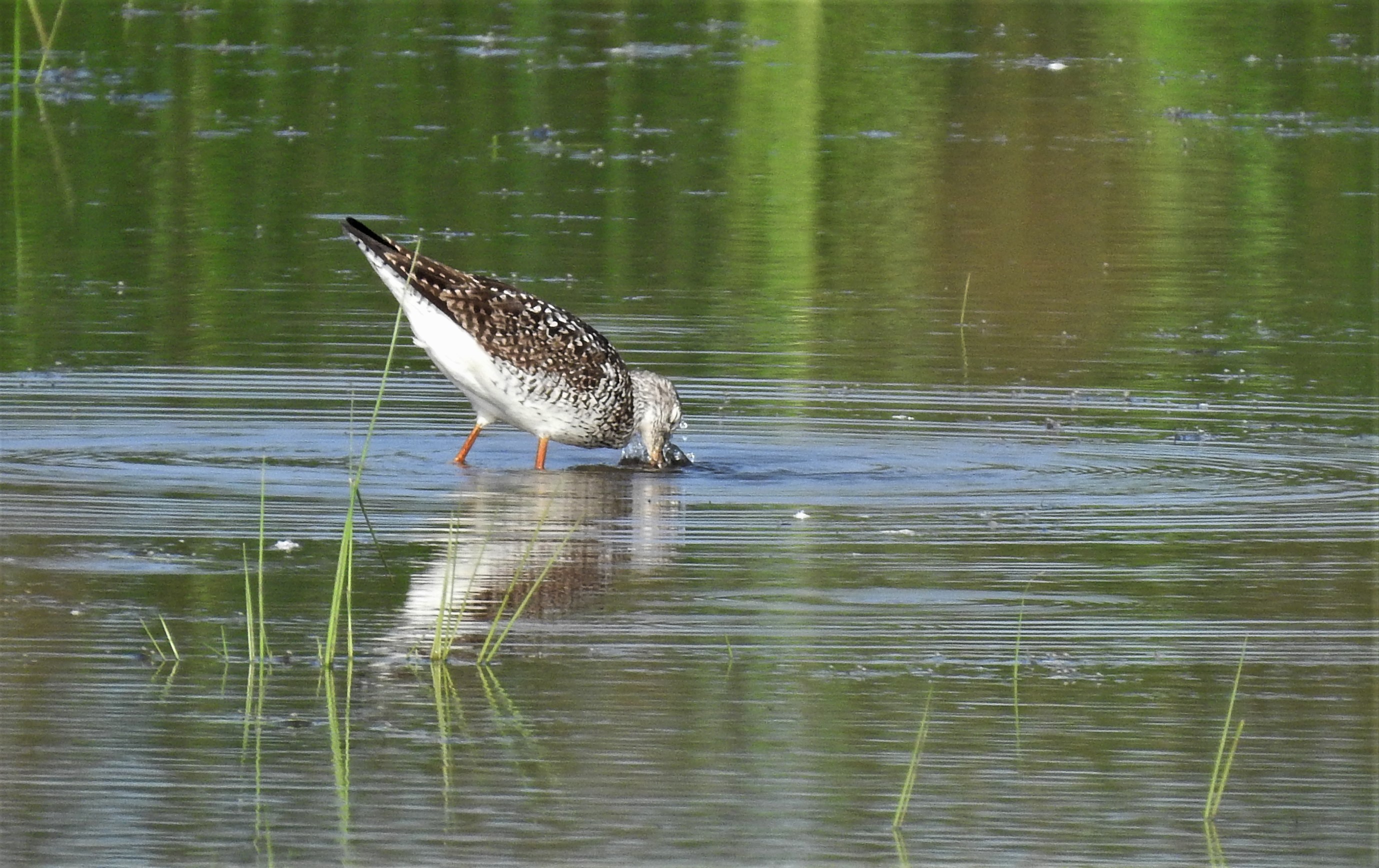
It wasn’t quite a month or two of mostly fuzzy long shots before I was sorely disappointed. Maybe “disappointed” doesn’t describe it. I was disappointed when my Sony a6000 had to be returned for servicing four (4!) times during its one-year warranty period. . .so when the Nikon p1000 failed to live up to its expectations I had similar but vaguely different feelings. Sad. Yes, I think “sad” describes it best. All this promised power bundled into a camera that failed on the most important promise of all, a fully usable (and dependable) superzoom. Why?
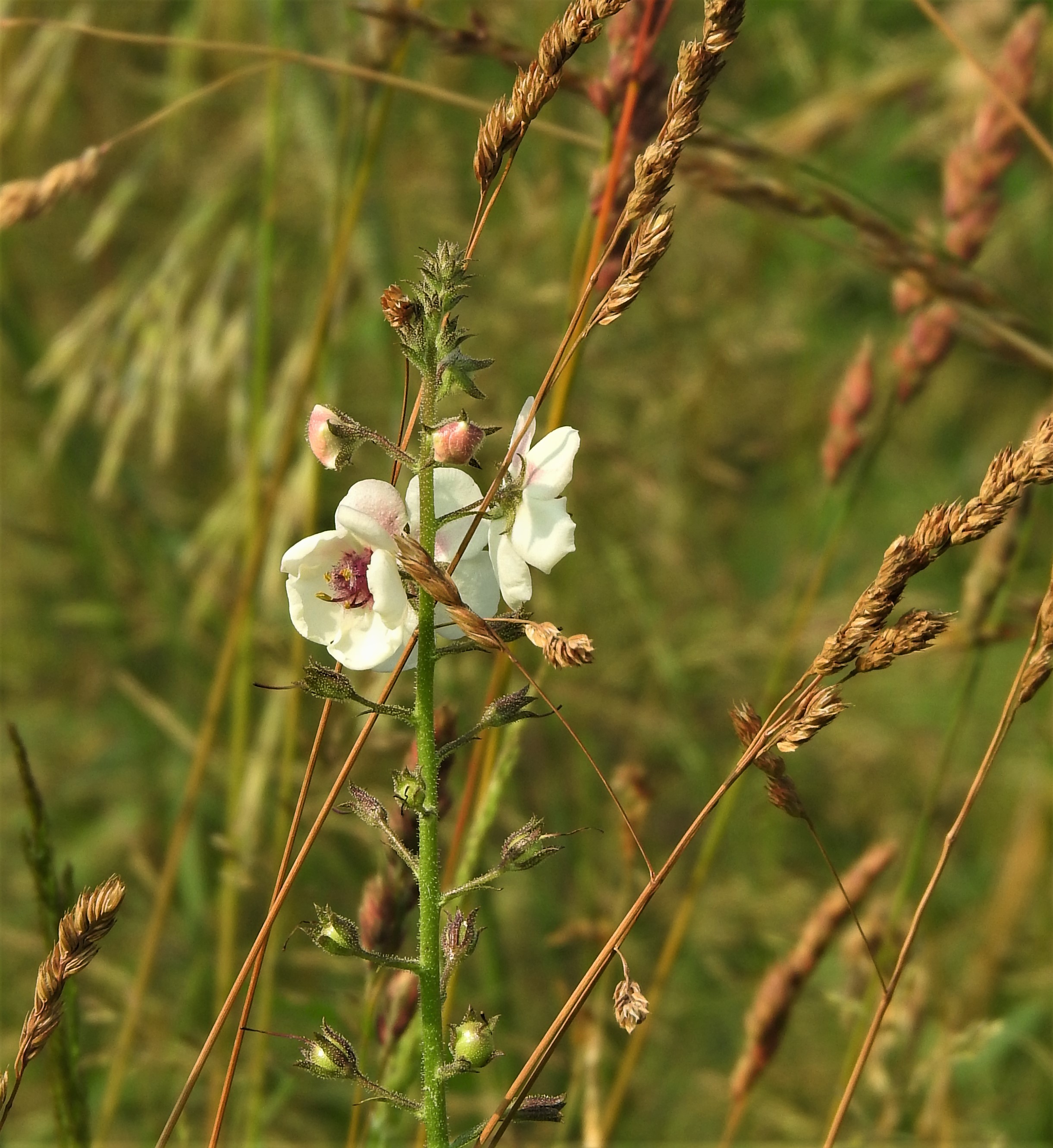
Asking that question taught me a very expensive lesson about sensor sizes, effective lens length, and centers of gravity, but it was the physics lesson that sobered me up and got me off the long-lens train. A camera with a 539 mm lens that can zoom in to a calculated 3000 (!) is impressive, but it’s also long. . .and heavy. . .so much so that it makes the camera unbalanced and front-heavy at full extension. I mean reallyreallyREALLY unbalanced and front heavy. . .to the point that even a tripod can’t stabilize it, not unless you jury-rig something like a cut-up Manfrotto 293 to support its center of gravity, which varies with the amount of extension required for your shot. Even on a tripod. Especially on a tripod. And that was the point where I packed up the no-longer-cherished p1000, kissed it good-bye, and sent it off to the used department of a large camera shop.
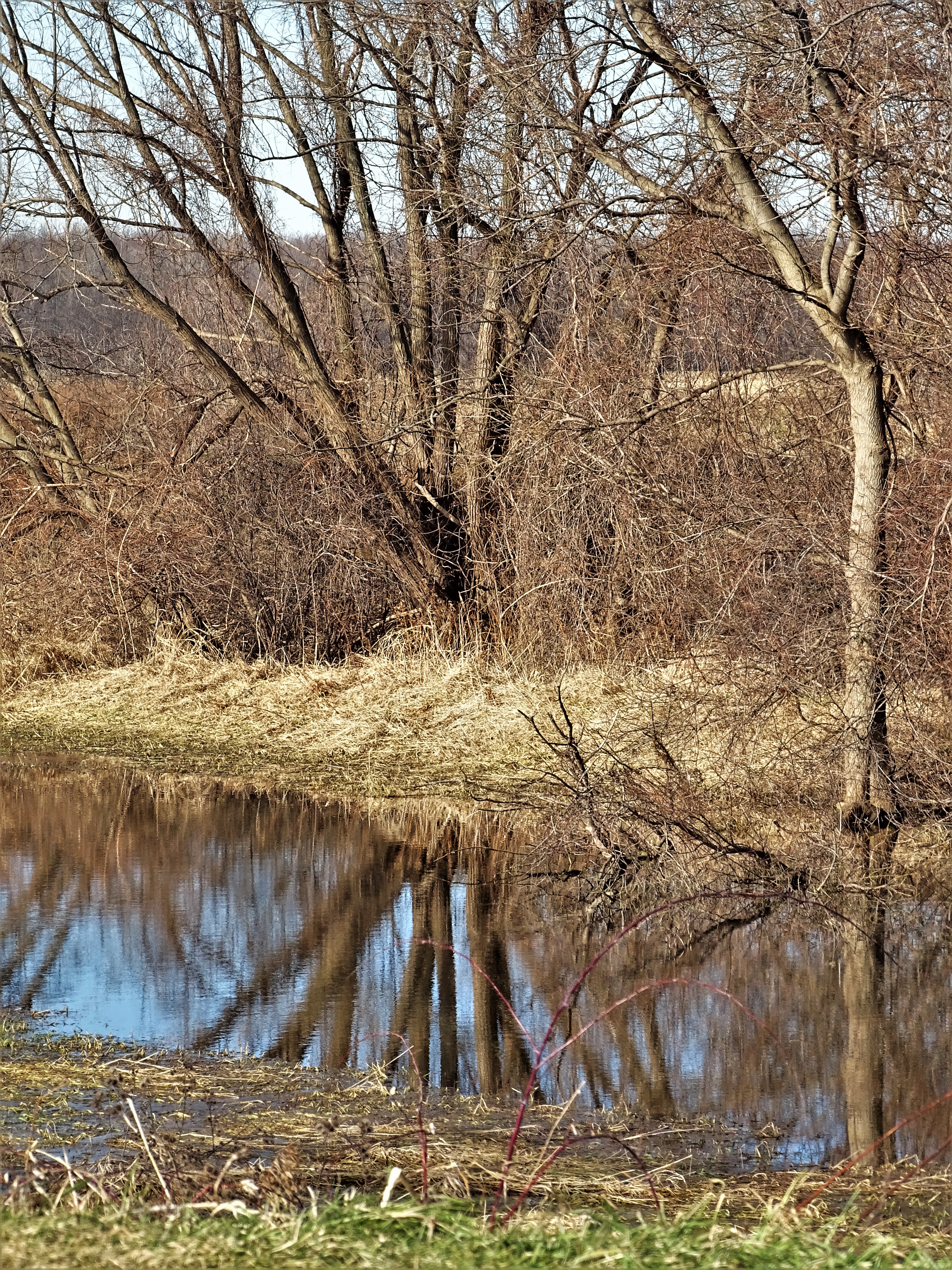
I should probably loathe Nikon right about now, or at least hate the advertising executives who push the p1000 as the greatest thing since sliced bread. But I don’t. After all, it’s a bridge camera, and bridges, even those packed into a camera, can lead us to new places. So, I find that I don’t loathe this foray into Nikon-Land as much as I thought I would. I mean, I wish I had my money back, but hey, it’s a pittance compared to what REAL cameras cost. Nope, I loathe neither Nikon nor its wobbly bridges; I’m actually kind of grateful, because it led me right into the World of Micro (mirrorless) Four-Thirds, and I (finally!) have a camera that is a reasonable compromise of zoom and sensor size that doesn’t wimp out in the areas of aperture and shutter speed. The full range it offers means that you can get decent results even on a gray day. AND it weighs less than 2 pounds! So far (I’ve had it for about a week) it is working out fine. I am hoping that with my new Oly + Panny combination I can pay more attention to improving my photography and less attention in trying to make the camera live up to its expectations. I mean, cameras should do that all by themselves, without us having to worry about it. . .right?
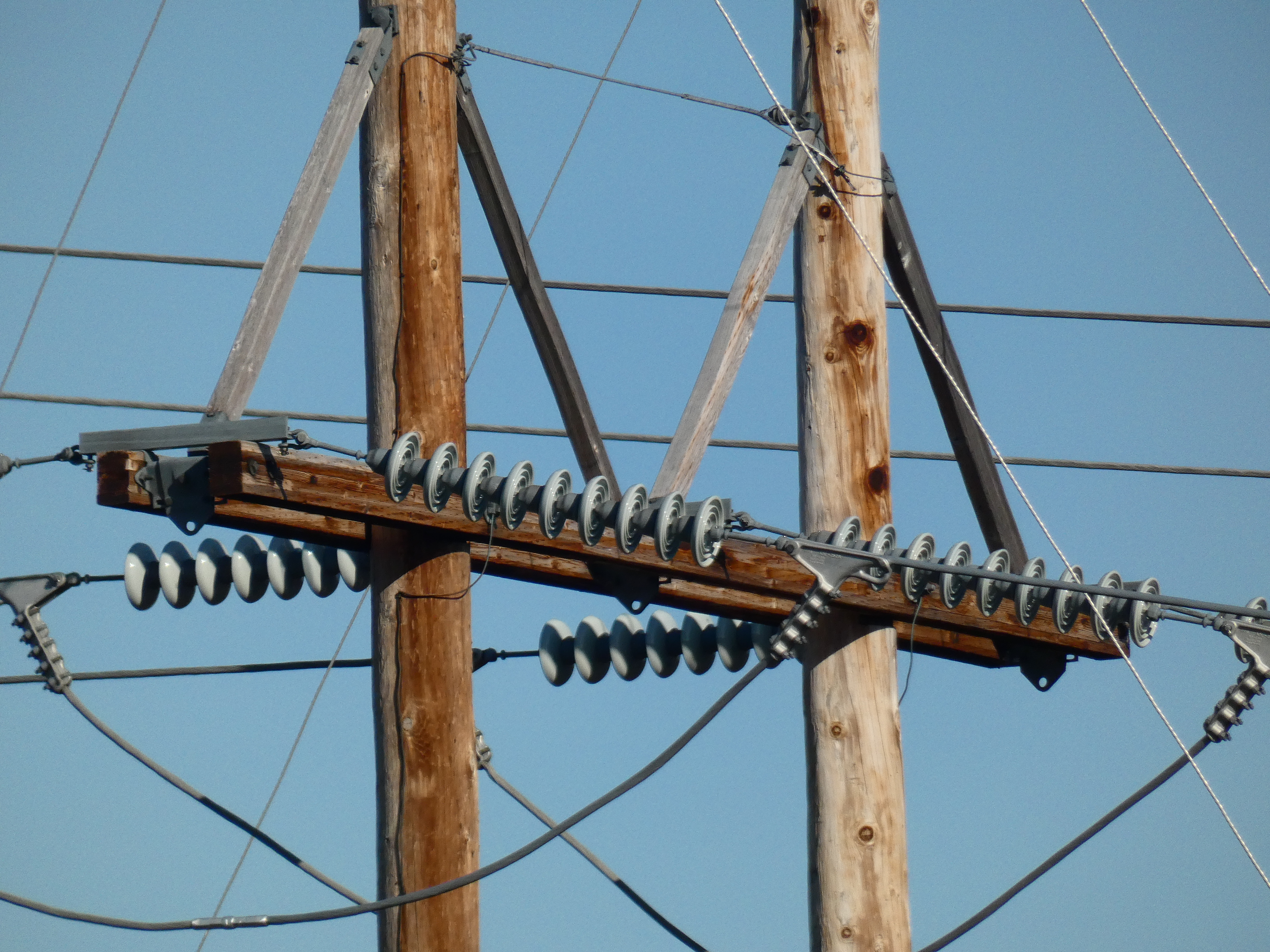
Still, I had to be certain before I jumped right in to the 4/3 pool, so I tried out the Panasonic Lumix bridge, the FZ80 (gray-market-speak for the FZ82). I wasn’t impressed with its full-length focus, but I think I’ve given up on all that superzoom hype — it just isn’t going to happen with the tiny sensors used in bridge cameras and all the lens and other material that are necessarily built around it. Still, it was inexpensive (around $200 used) and, like the other bridge cameras, produces good photos when the light is good — as long as you don’t push the zoom.
Despite all the talk nowadays about mirrorless cameras displacing the DSLR, I am not ready to forsake my Canon — not yet and maybe never. My investment in Canon, Inc. is “only” a 77d, which I consider the poor man’s 80d, but it is a true workhorse. The optical viewfinder guarantees that, with BIF, what I see is what I get. Coupled with an L series 100-400 f/4-5.6 and a 1.4x converter I can get some really decent photos at a not-too-shabby-but-calculated 896 mm, even as a greenhorn newbie! And now that I’ve learned the lesson about bridges, I’m not as green as I used to be.
(published May 10 2020)
Not that society in 2020 was ever very innocent — not as innocent as, say, in 1820, when James Monroe was president, America was involved in no wars, and toasts were raised to “my country, right or wrong.” Certainly the sectionalism that would soon raise its ugly political head would put all that Era of Good Feeling stuff severely to task, and the several decades following would make Americans wise, albeit less innocent. But a trace of innocence persisted, in the sense that we are American, America is strong, and America will never be brought to its knees. . .
. . .and then the novel corona virus hit.
With CoVid-19 we lost our last shred of innocence. Even as we strive to flatten the curve, we know that the comfort we seek in returning to “normal” may not be found. . .because we know that we head towards a new “normal,” one we’ve never experienced before. Life will never be the same — CoVid-19 has made sure of it.

I’m not the only one who photographed this weeping angel because of its poignant present-day connotation; there are at least two others* (that I know of) and probably more. Even so, I felt compelled to post it here, along with my thoughts and with due acknowledgement to those whose photos came before mine.
* Stephen Ransom, https://www.stephenransomphoto.com/. Mr. Ransom mentions another photographer, Matt Emery, whose photo predated his.
(published May 10, 2020)
 Seen by Susan: Fun with Flora and Fauna
Recent Comments