by Susan

Even back then, a bridge camera was not my first choice. I had heard all about the limitations of their tiny sensors, especially when it came to dynamic range and dark, cloudy days. Besides, I was perfectly happy with the Canon 77d. I couldn’t afford Canon’s new flagship, the wildly popular 90d, but lucky for me, they had stuffed most of the 90d technology into a cheap plastic body and called it the 77d, which made things more affordable for us poor folk. Anyway, I got some good stuff from it, especially when paired with the 100-400 f/4.5 – 5.6 USM.
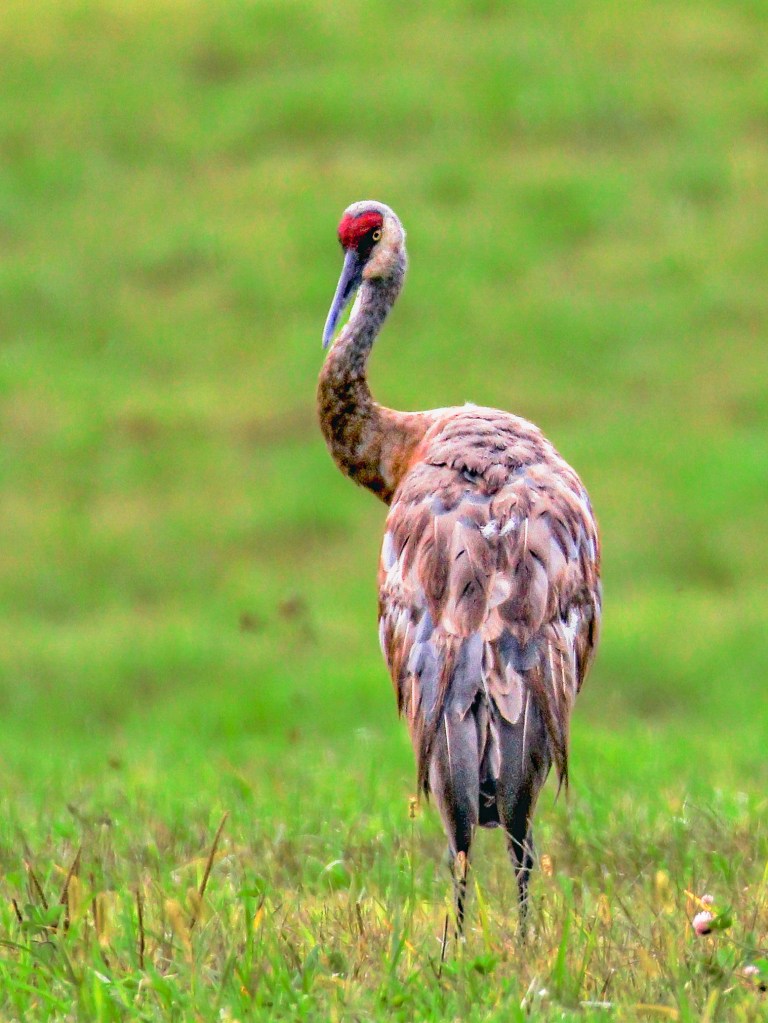
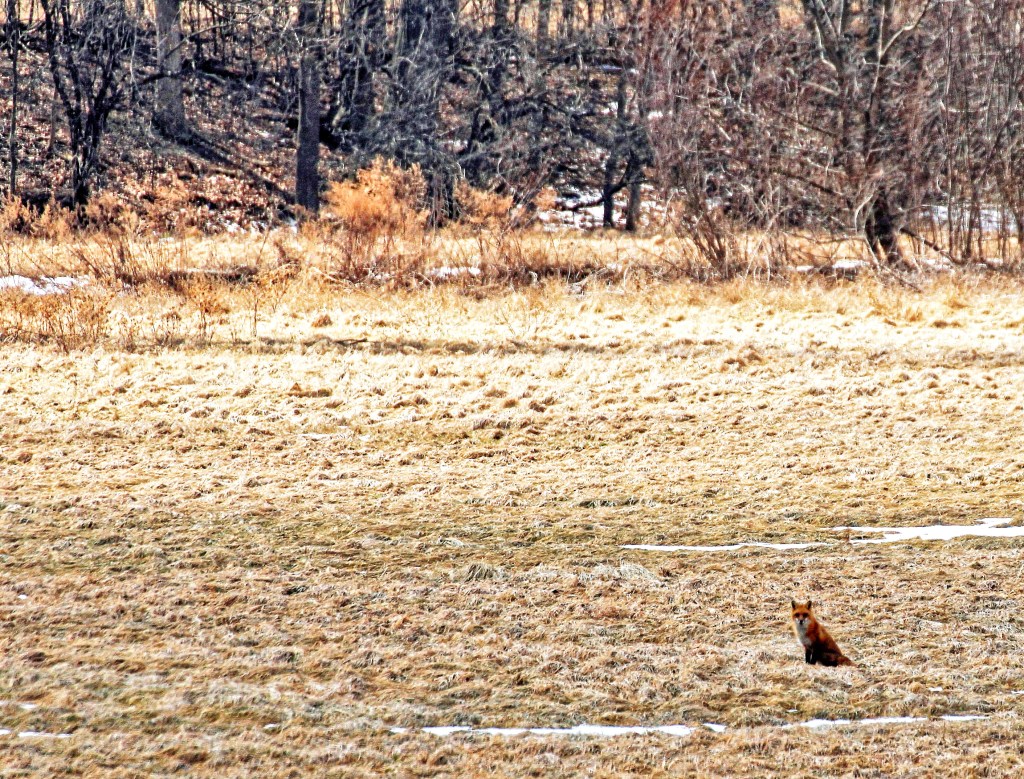

But then one day in July an off-duty sheriff decided that the speed limit in the redneck town of Sodus was way too slow for him. While passing the offending vehicle, Sheriff Joe plowed head-on into me, toppling my car into a ditch and sending camera, lens, tripod, lunch, and me flying. I survived. The electronics didn’t. But after some quiet convincing by my barracuda lawyer, Sheriff Joe reimbursed me for everything (except the lunch) and as a courtesy threw in enough extra cash to pay off my mortgage.
Well, my lawyer wasn’t really a barracuda. He was just a nice, older man with two witnesses, one who wondered if the sheriff was trying to qualify for the Indy 500 and the other who wasn’t surprised because the sheriff had gone “flying” past him moments earlier.
So, I made do with a series of cheap used cameras, including that wonderful gifted gray-market Canon 1100d that I absolutely adored. Once discharged from the ICU, I collected a pocketful of Sheriff Joe’s cash and stopped at the bank before heading to Best Buy. I had been eyeing Sony’s new mirrorless, the A6000, for the past few months.
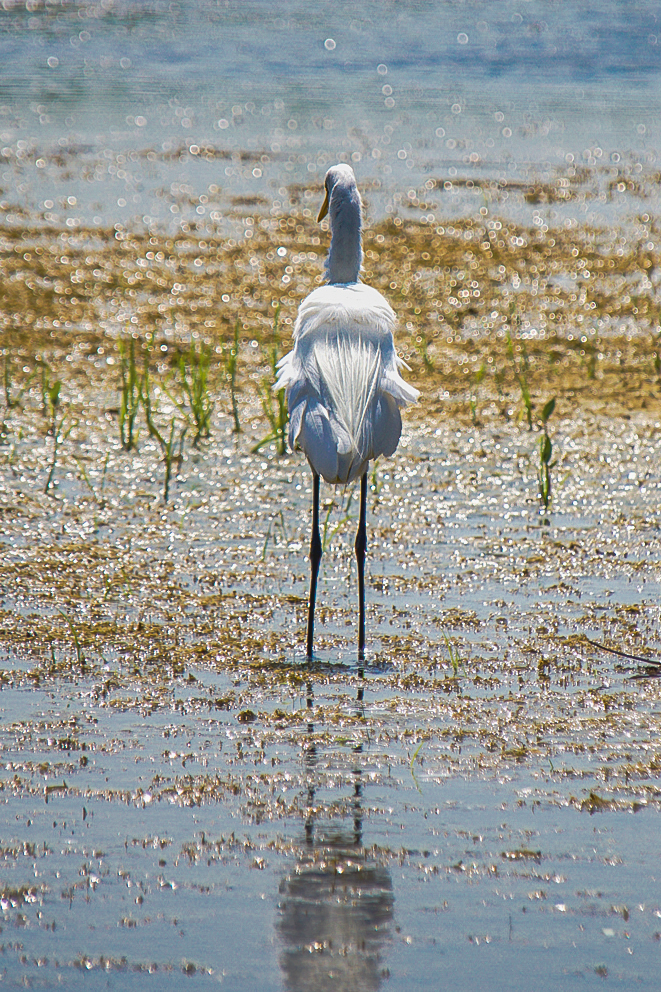
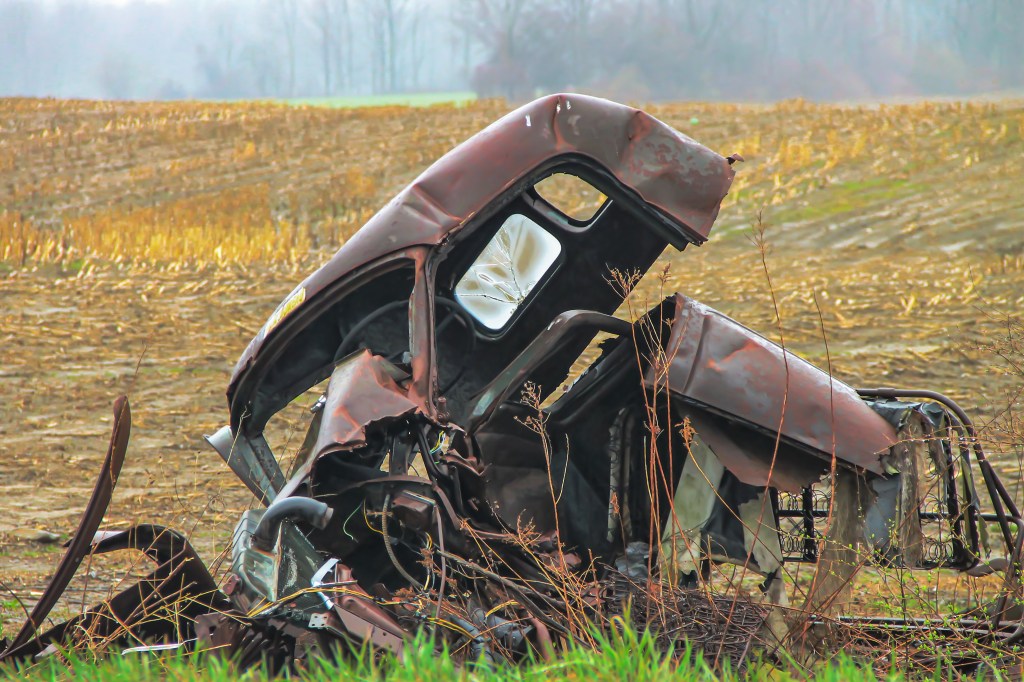
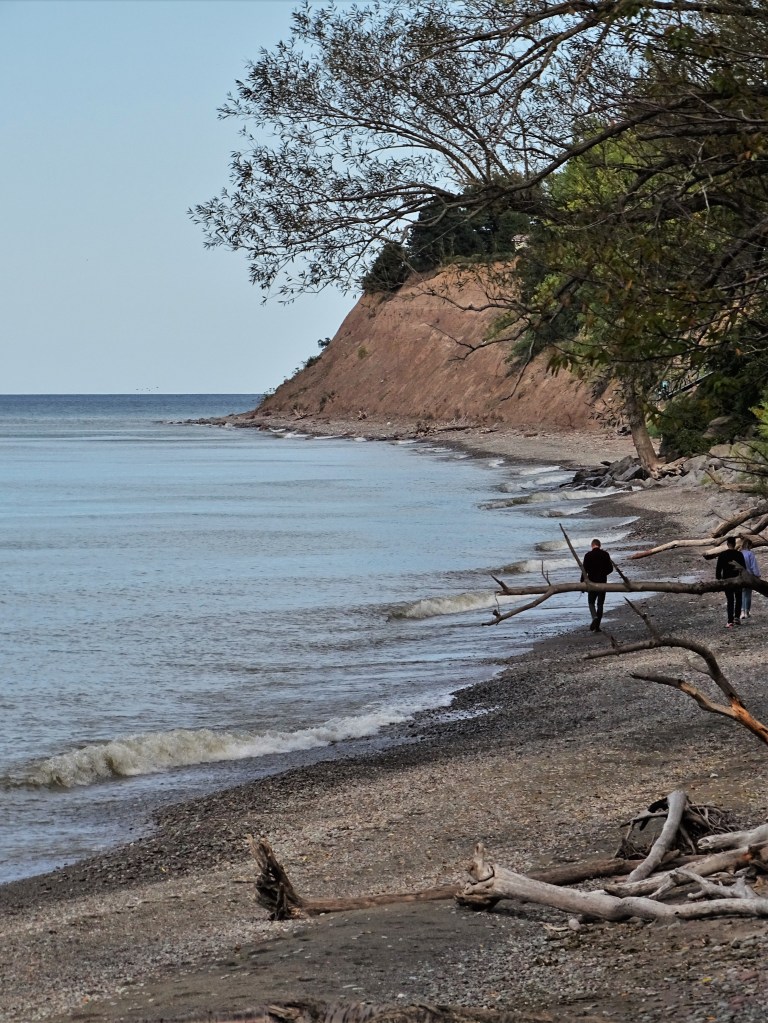
I liked it. It was a nice, lightweight camera with an APS-C sensor, just a little larger than what I would soon find in Olympus gear. I did get some good results, but the build quality was atrocious. It was serviced three times in six months. After the last repair, I traded it in and started looking at bridge cameras.
Why bridge cameras? Because I don’t know. I tried a few of them before I settled on the Sony bridge.
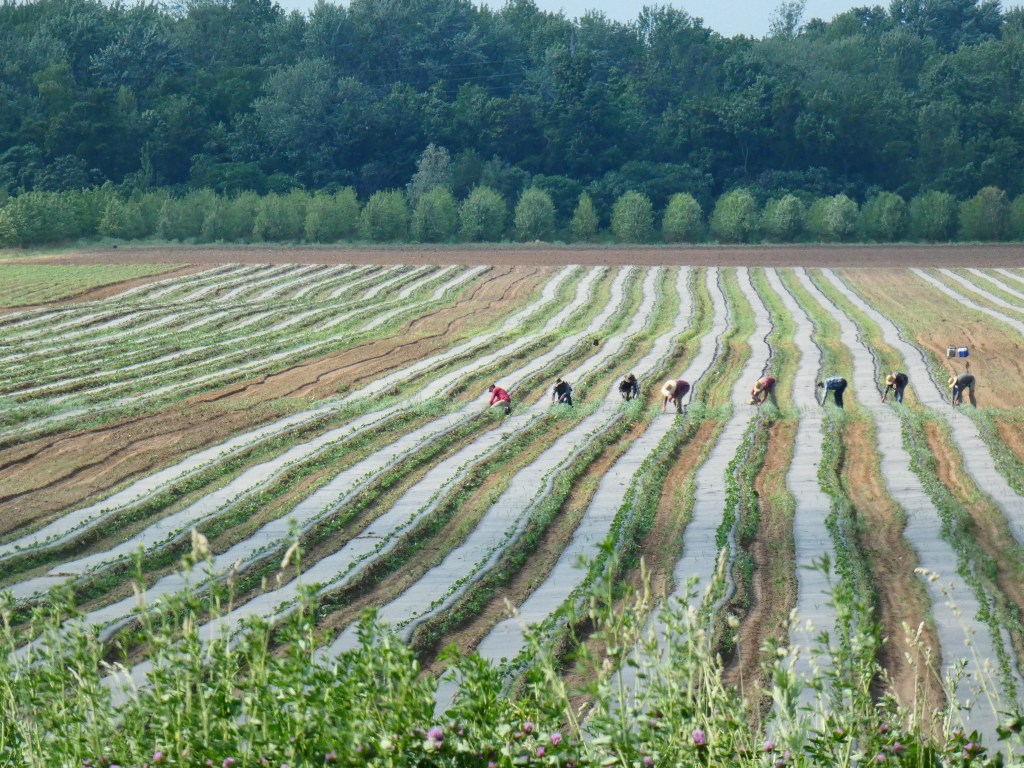

I hated Nikon’s p1000. It had an astonishing focal length — more like a small telescope than a camera — but it was essentially unusable. At full extension the center of gravity moved away from the camera body and landed somewhere in the middle of the extended lens barrel, where you can’t place a tripod collar. This made it impossible to mount unless the tripod was counterbalanced with a bag full of rocks. Even so, the camera was so out of balance that it shook terribly, even when using a remote. And once you managed the set-up you had to shoot real quick, because the lens retraction time was always-always-always less than the time it took to properly compose and expose the shot. I *could* get decent shots — but only if I didn’t extend the lens beyond 518mm.
C’mon now, what good is having a camera with an amazing focal length if you can use only half of it?


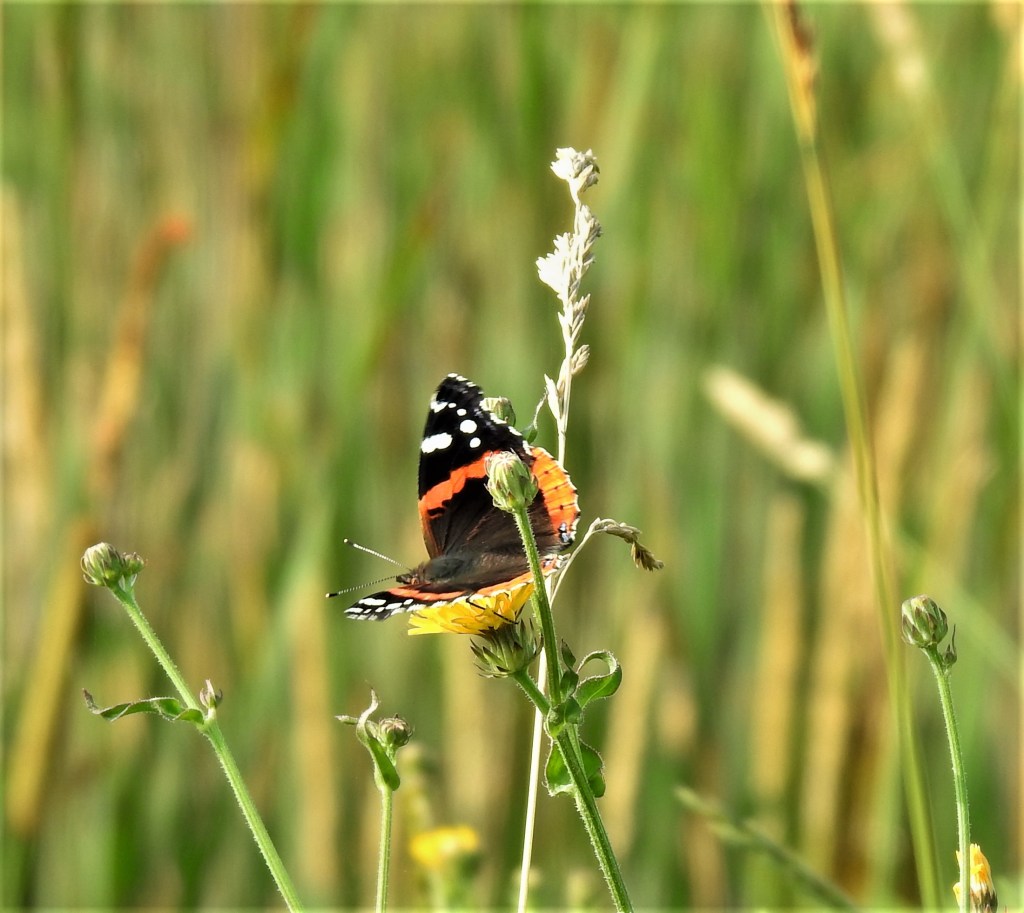
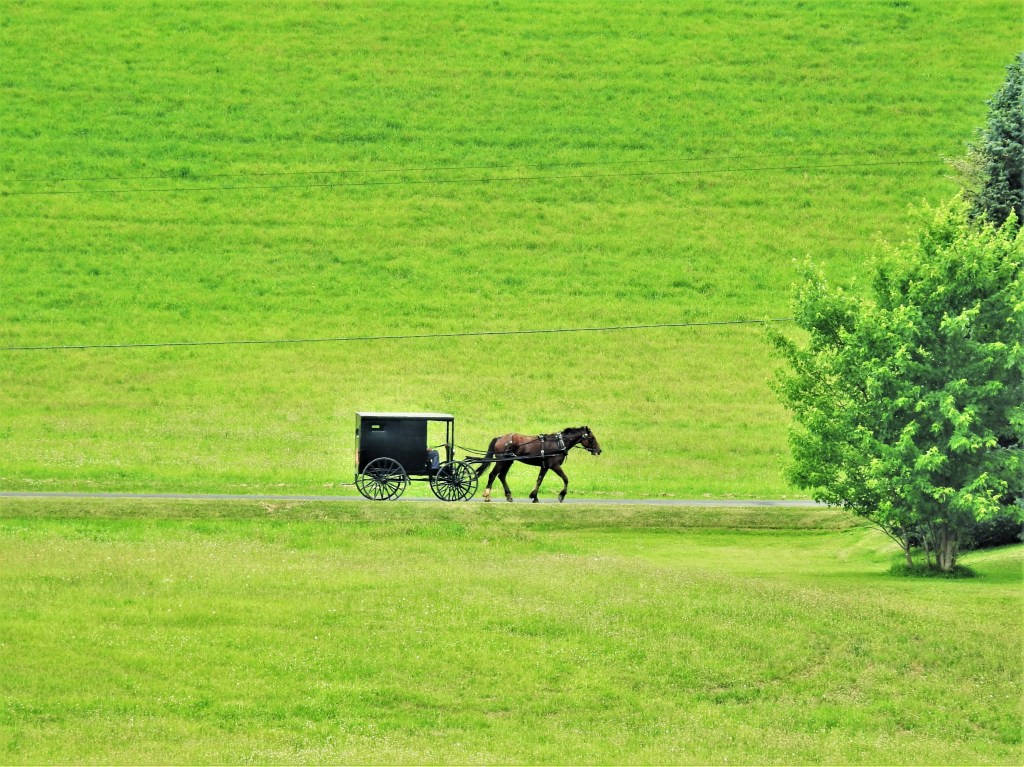
Beautiful downtown Clyde, NY — don’t blink, or you’ll miss it.
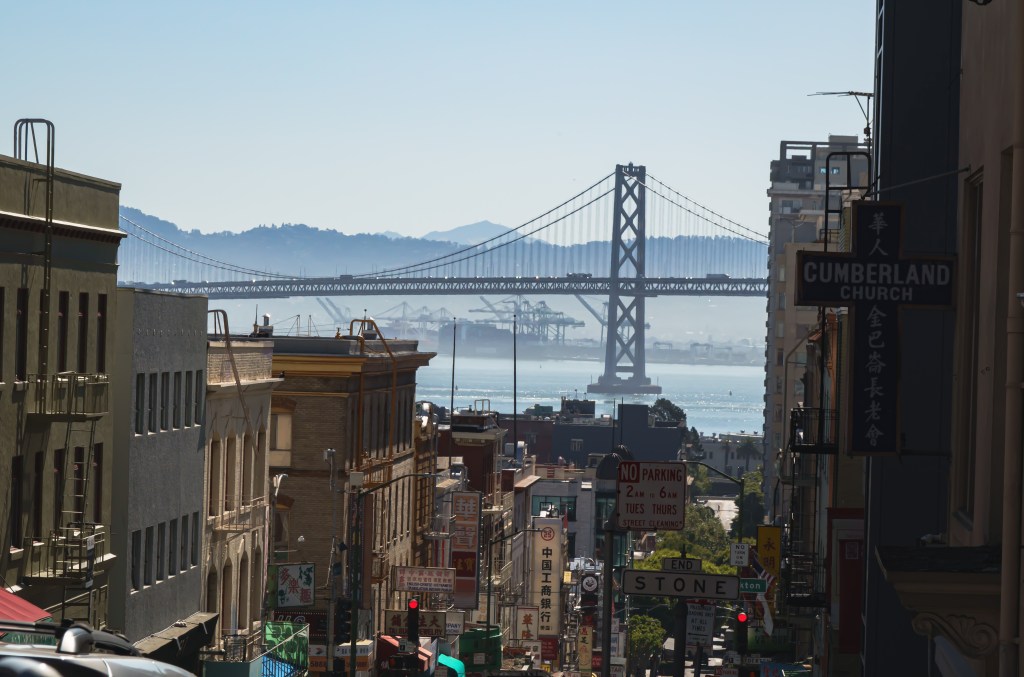
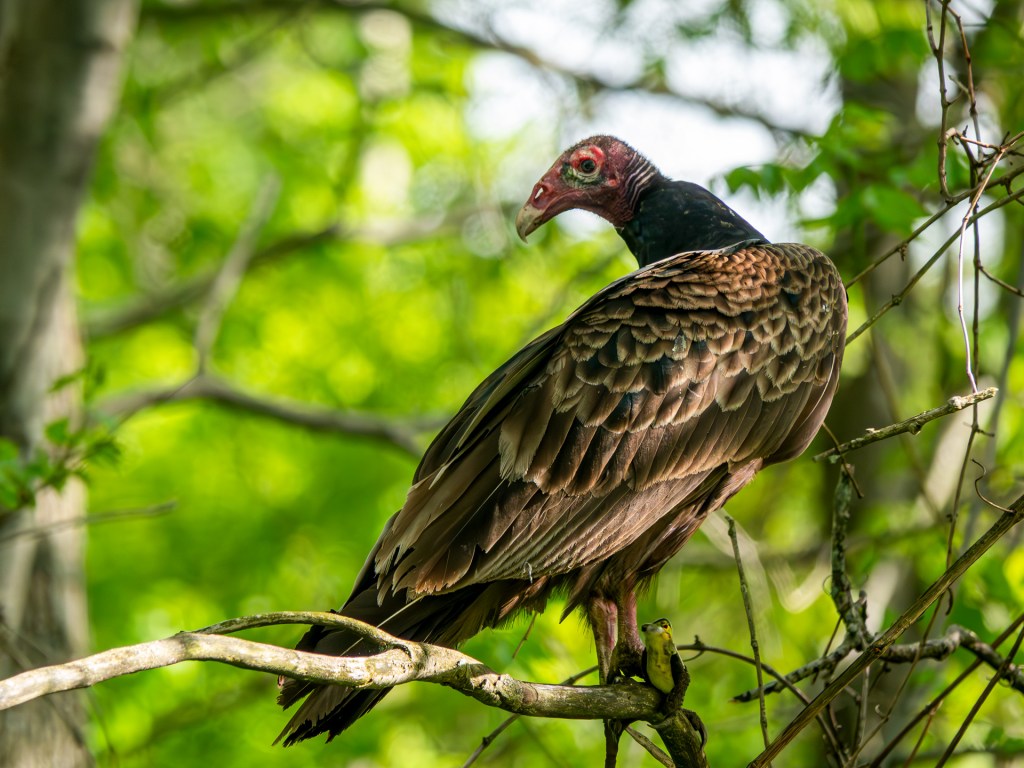
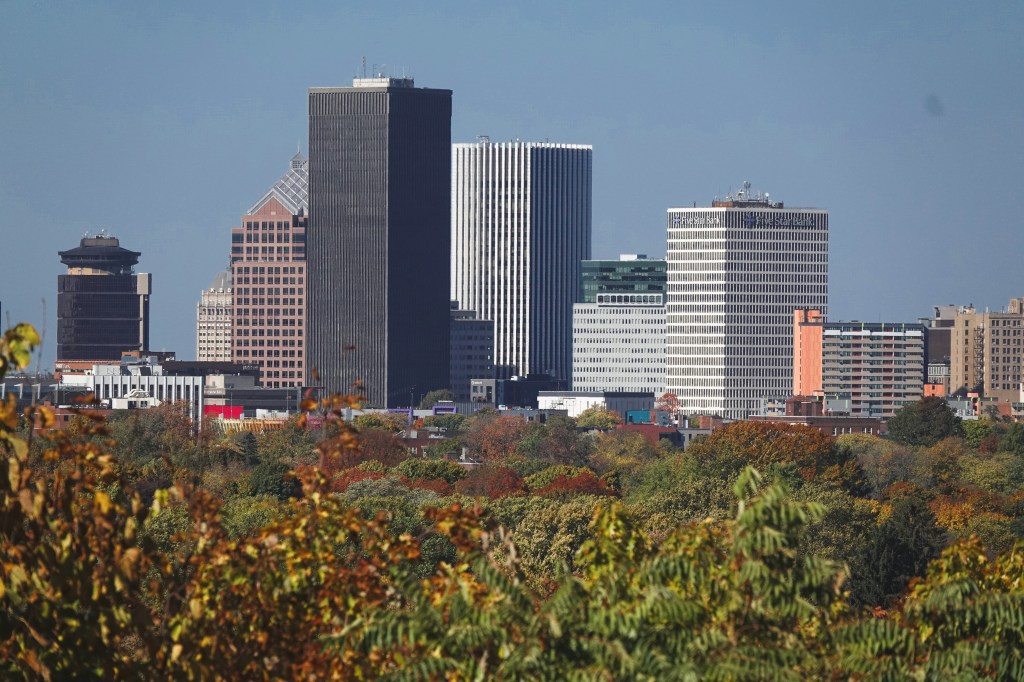
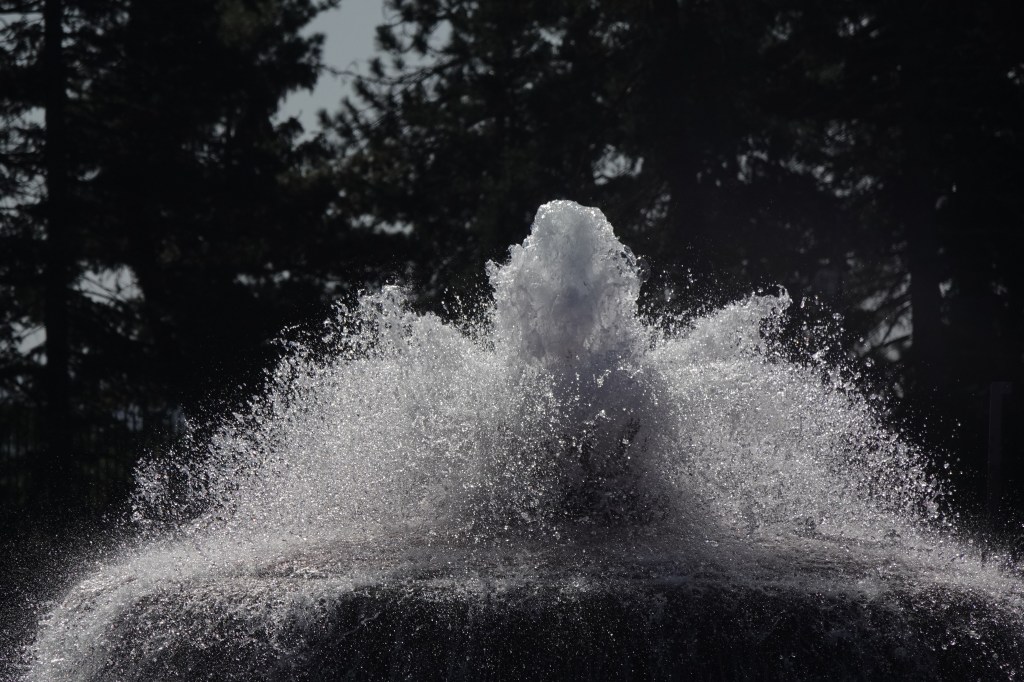
I was still avoiding the world of raw but knew I would eventually succumb, so my next choice was the Sony RX10iv. The photofolks still frowned, but who cares, it has a nice, lightweight build, a 1″ sensor, and yeah, Sony color science! And it didn’t fall apart like the a6000 did. In fact, I still have it today along with some macro lenses I picked up while visiting in San Francisco.

Go Orange!
Which bring us to Part II, Cameras I Have Known: Olympus.
(published February 6, 2026)
 Seen by Susan: Fun with Flora and Fauna
Recent Comments